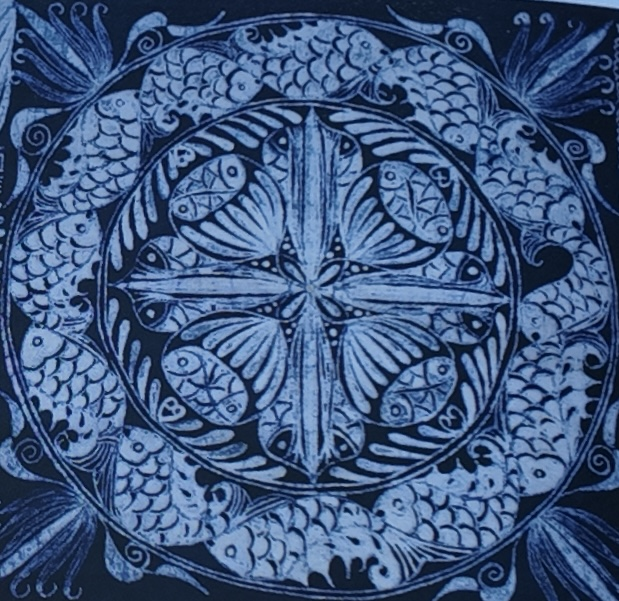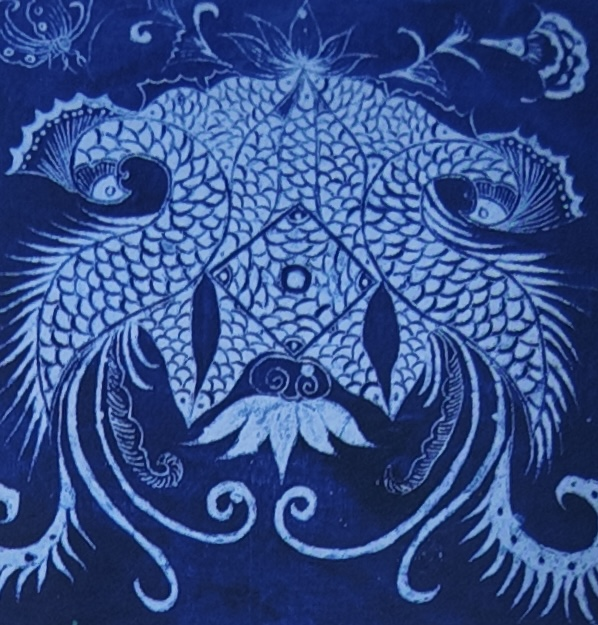

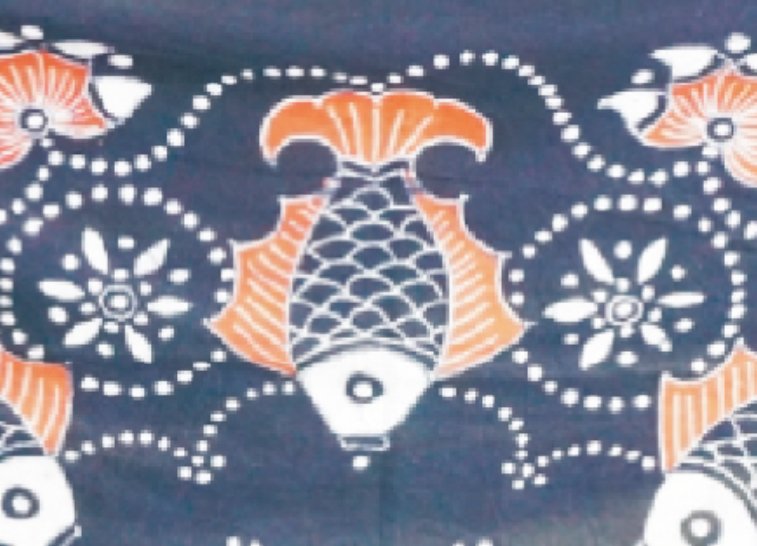
The Fish: Fertility
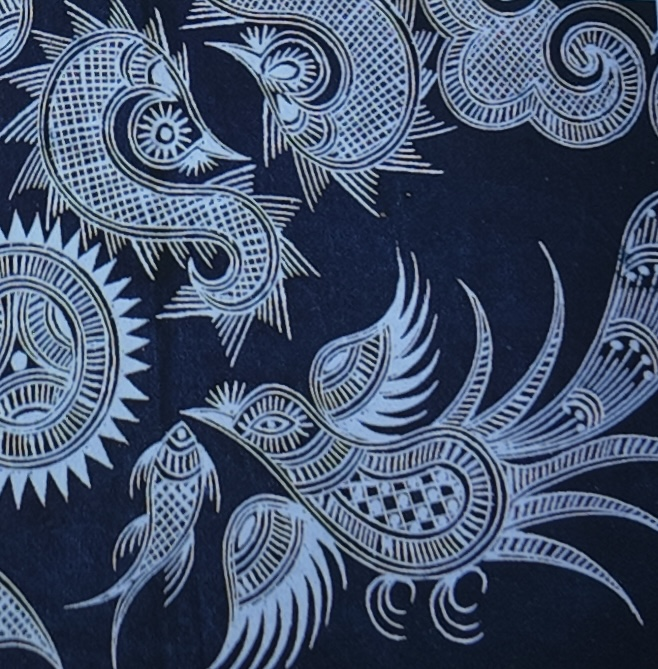
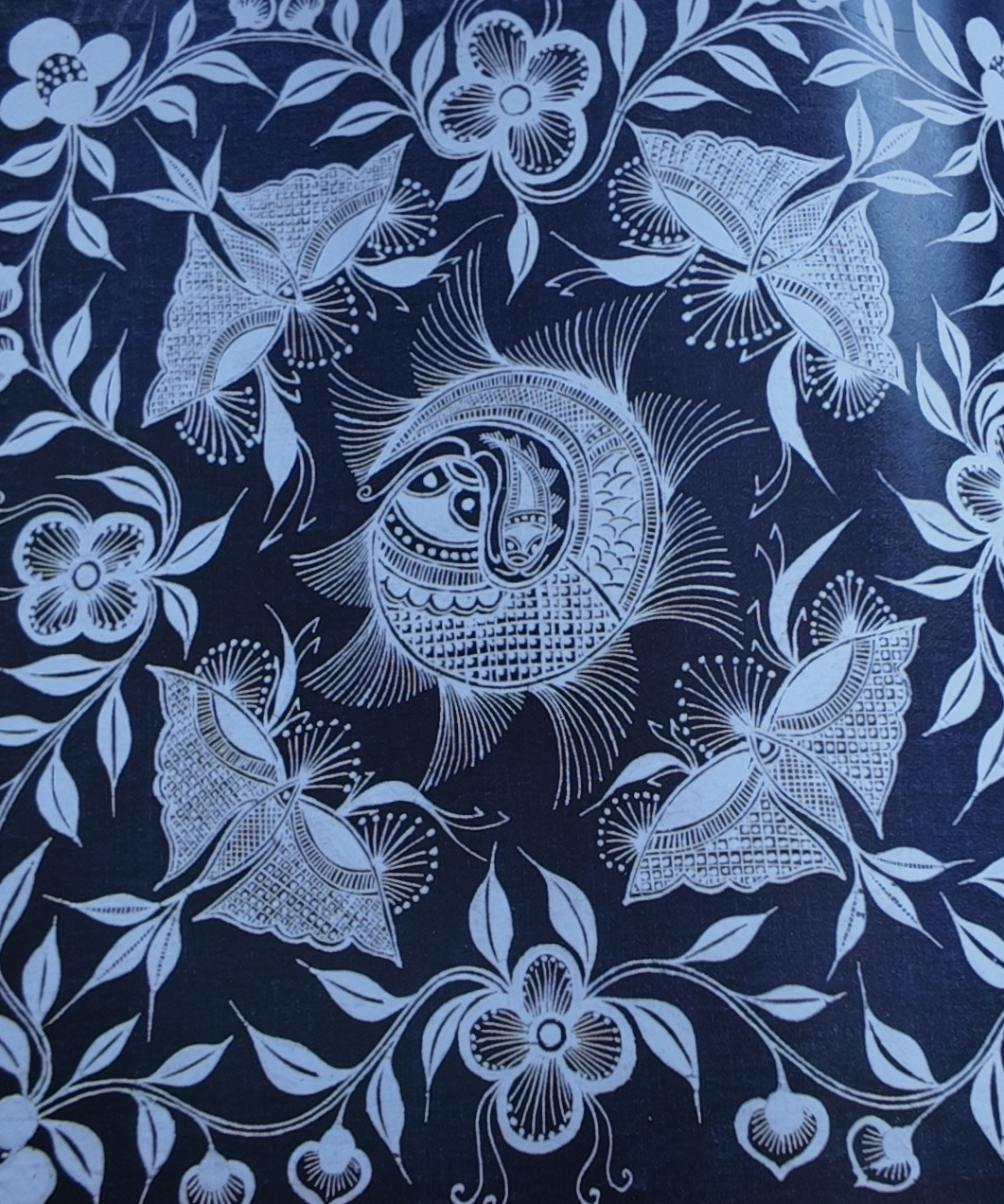
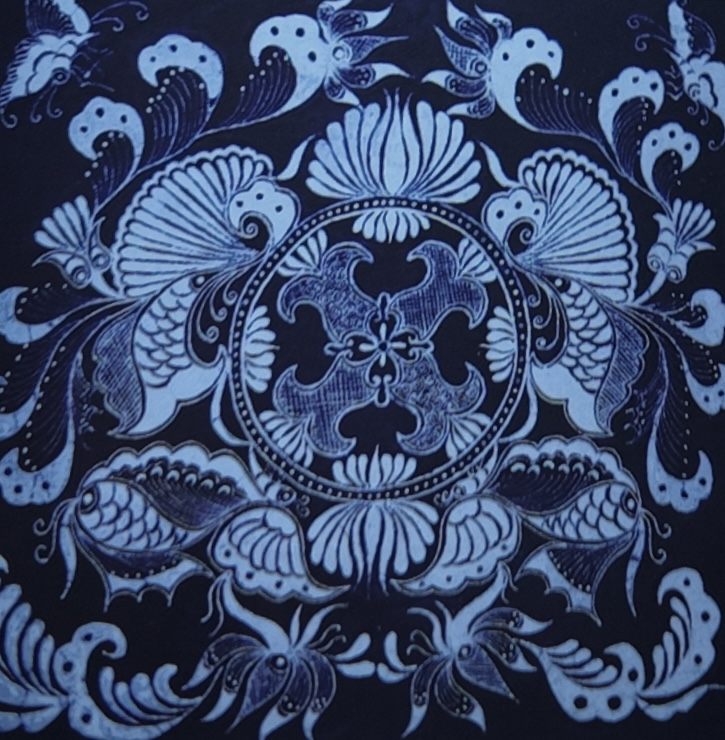
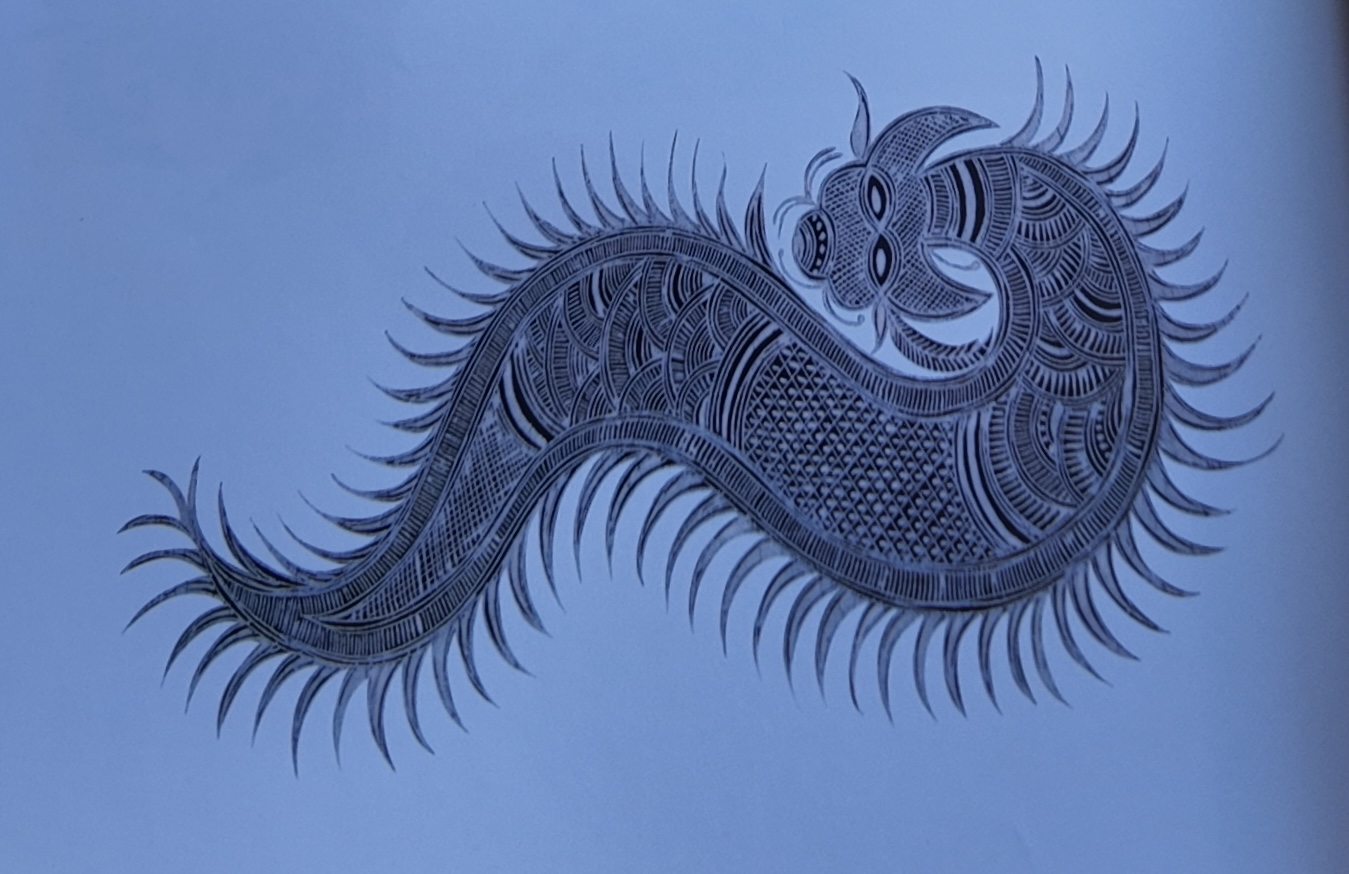
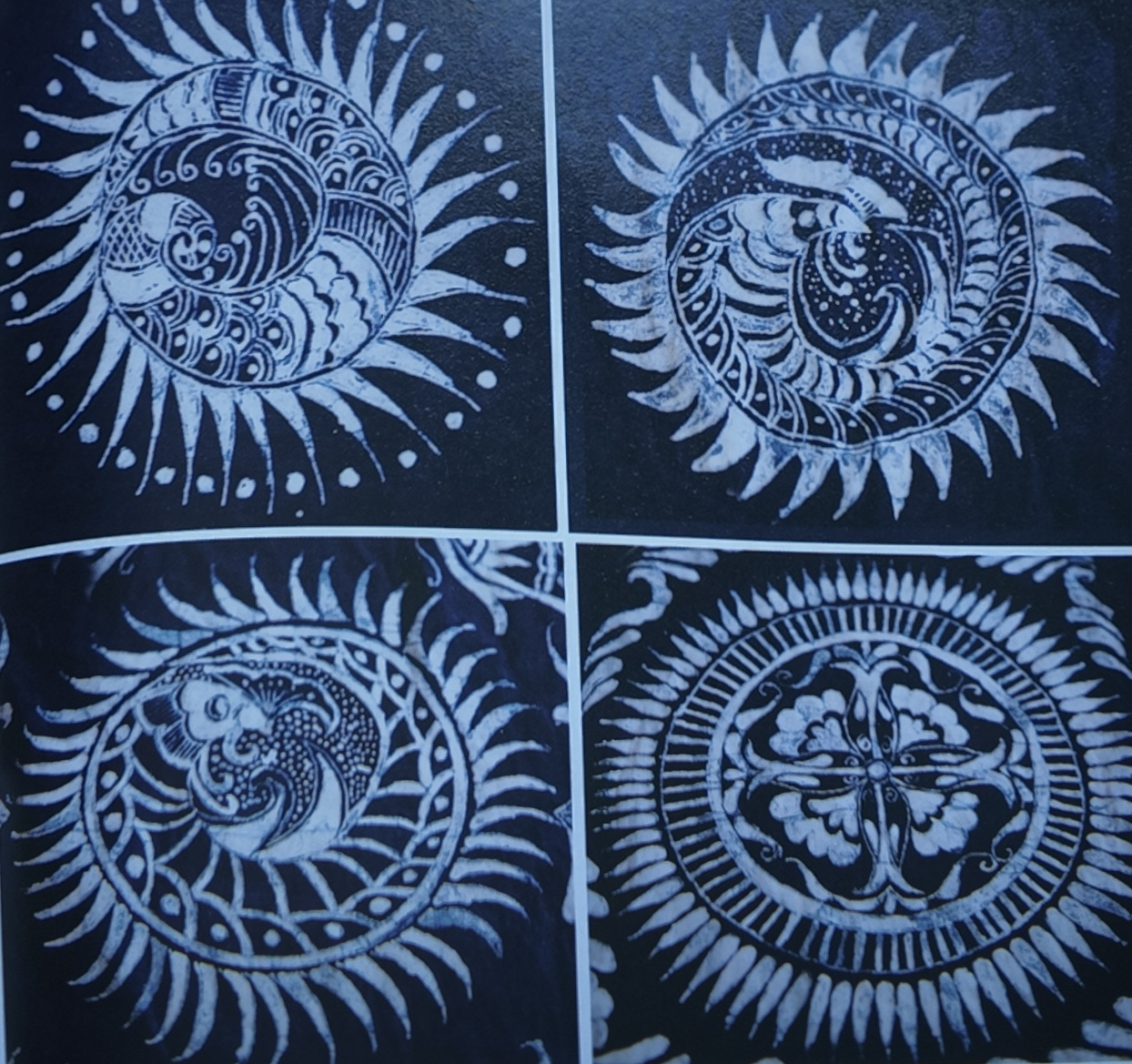
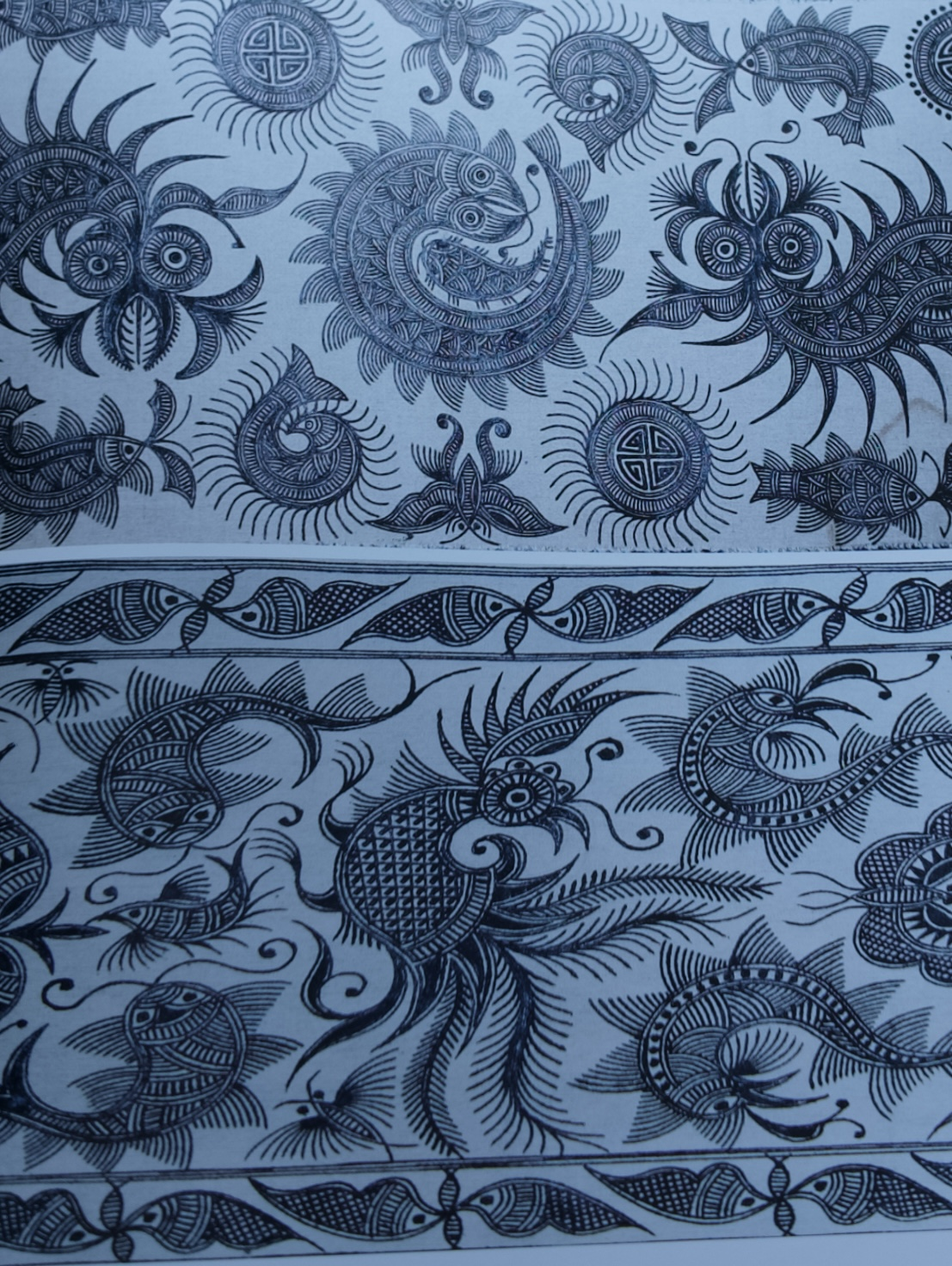
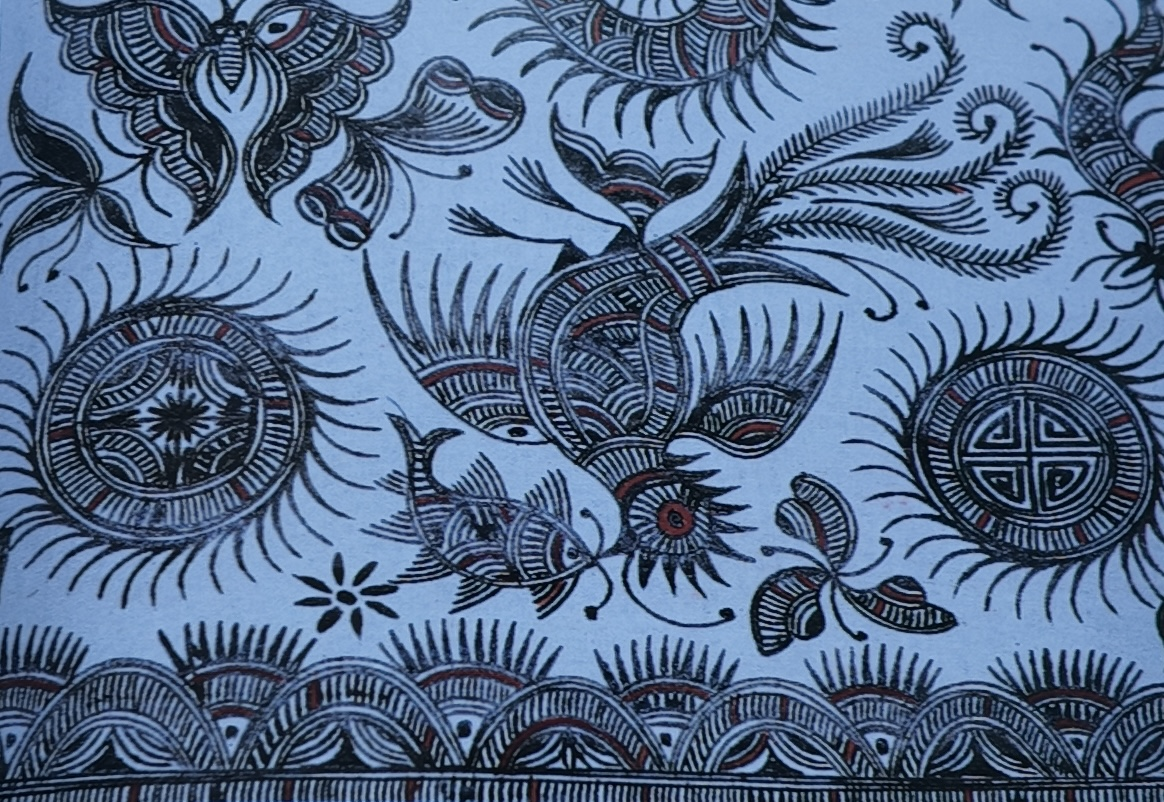
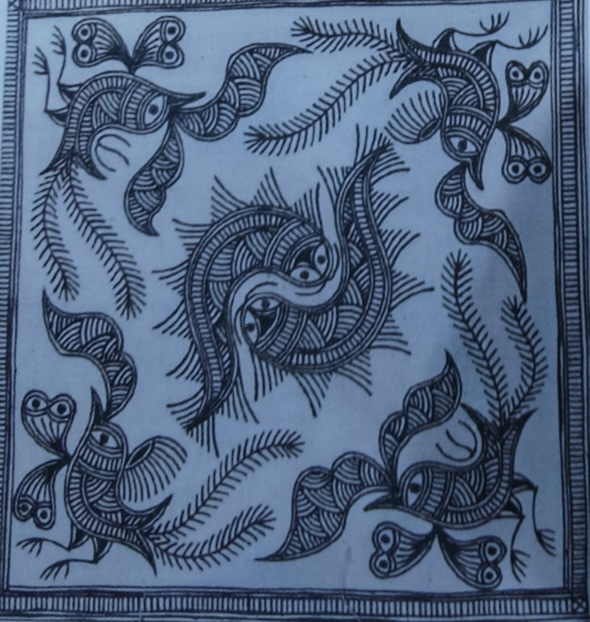
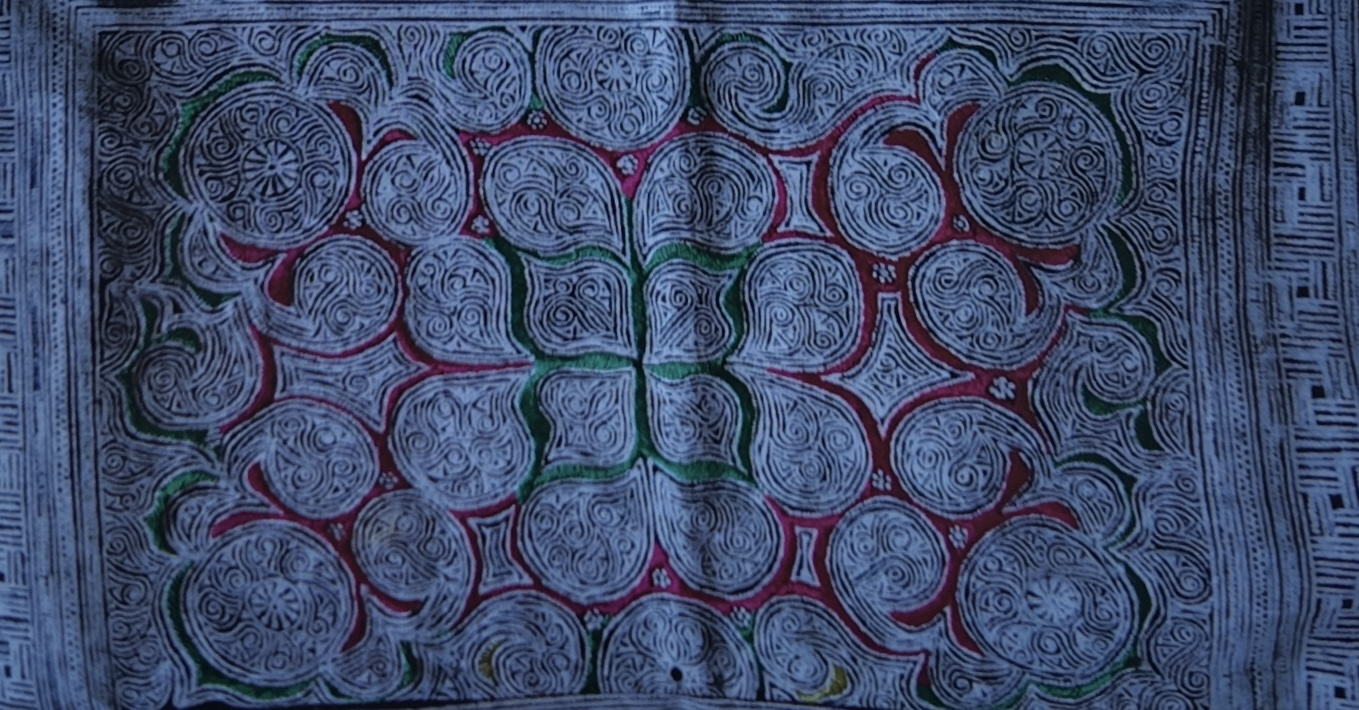
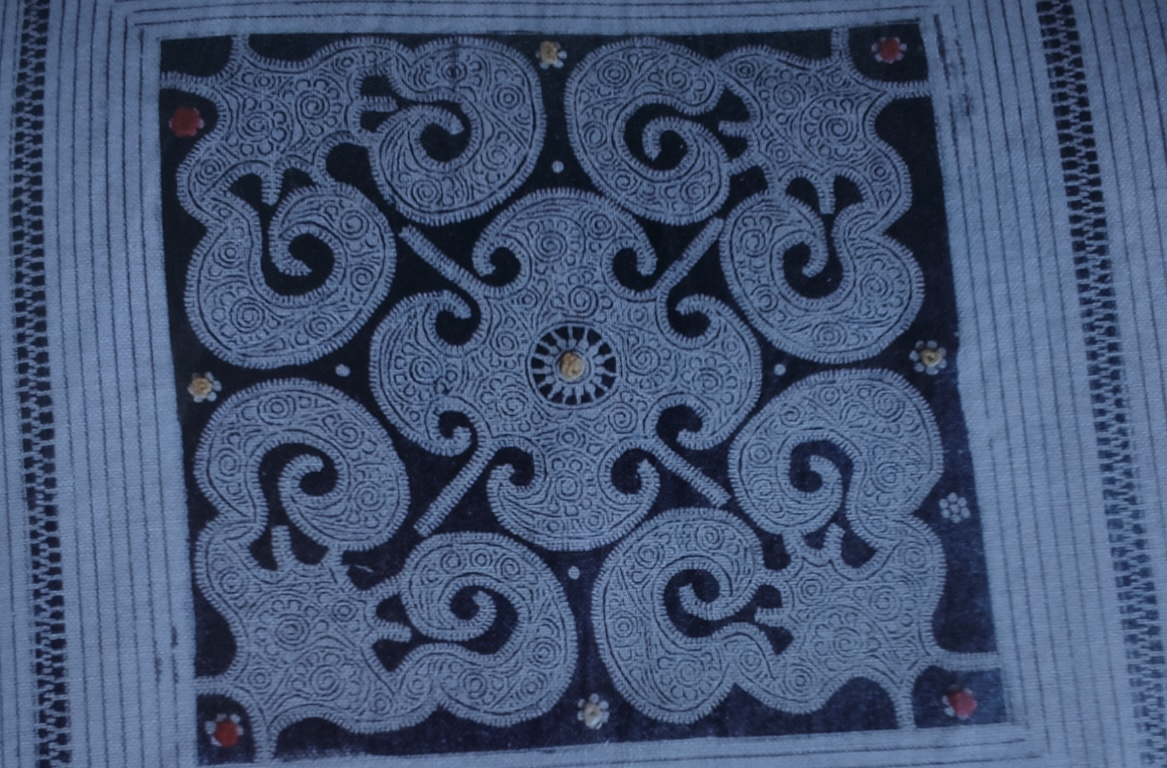
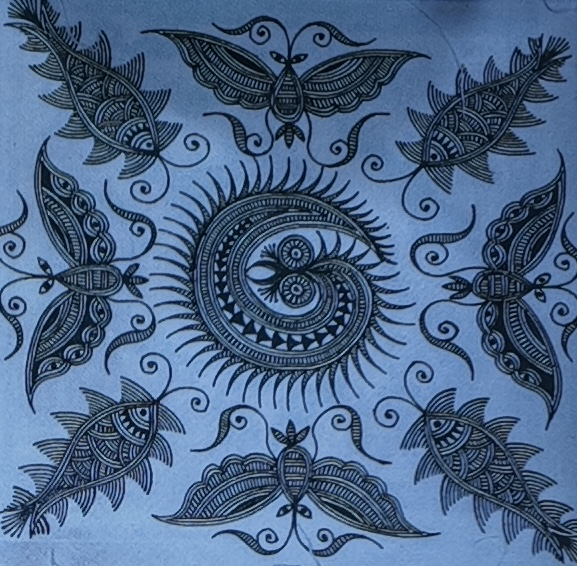
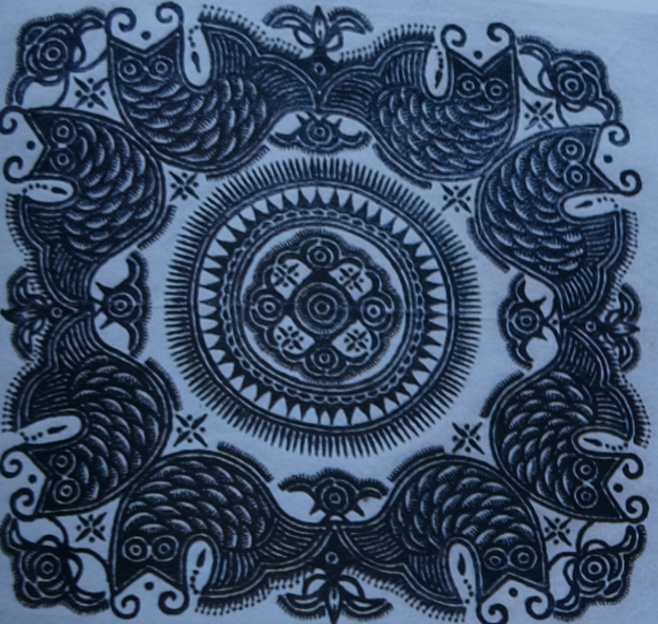
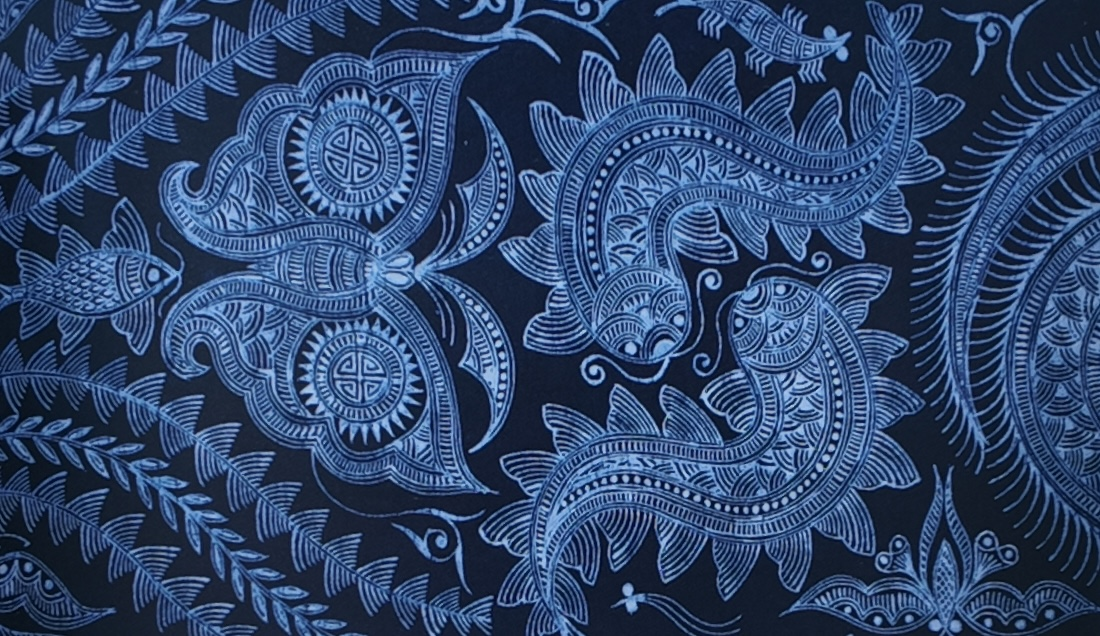
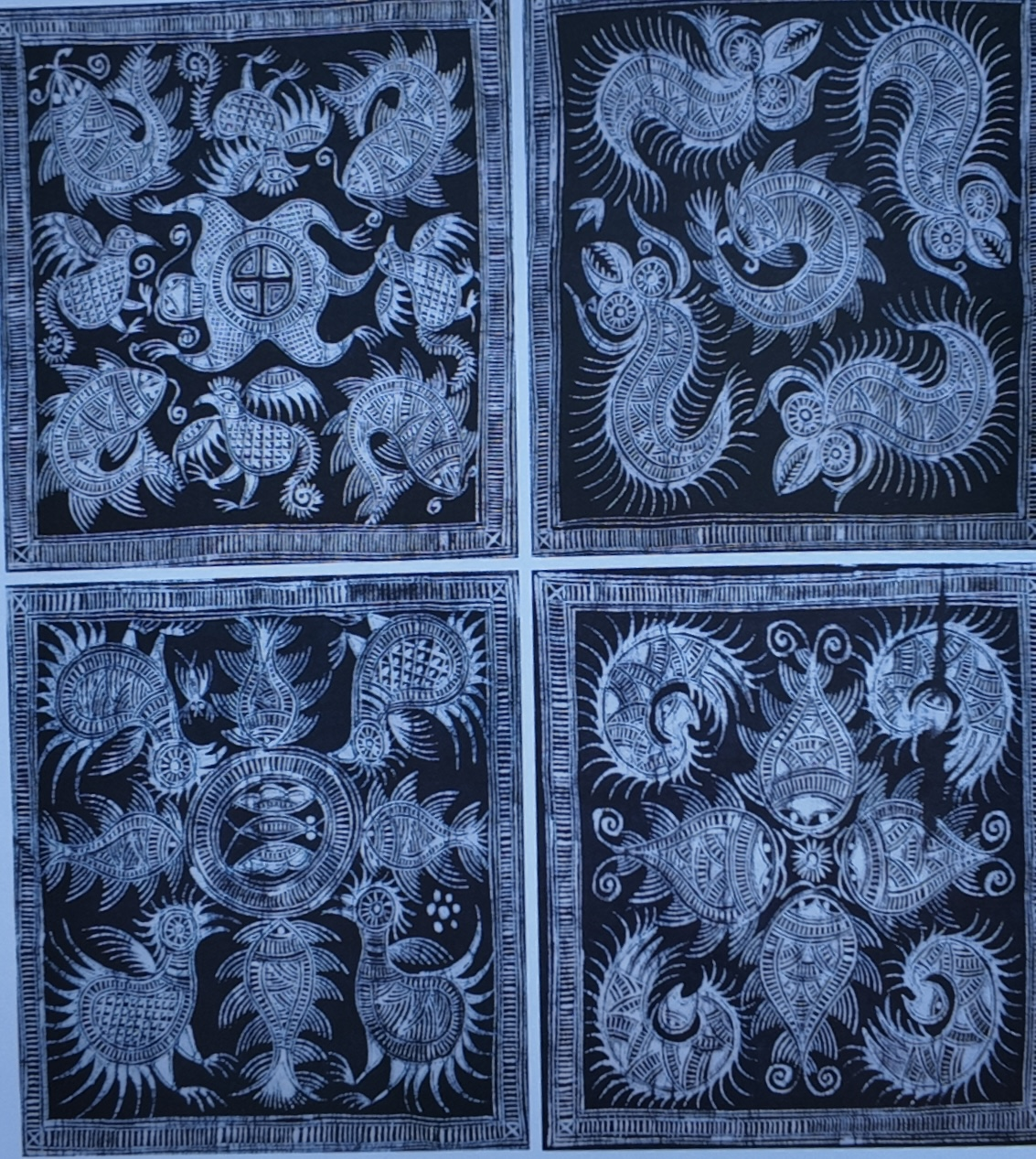
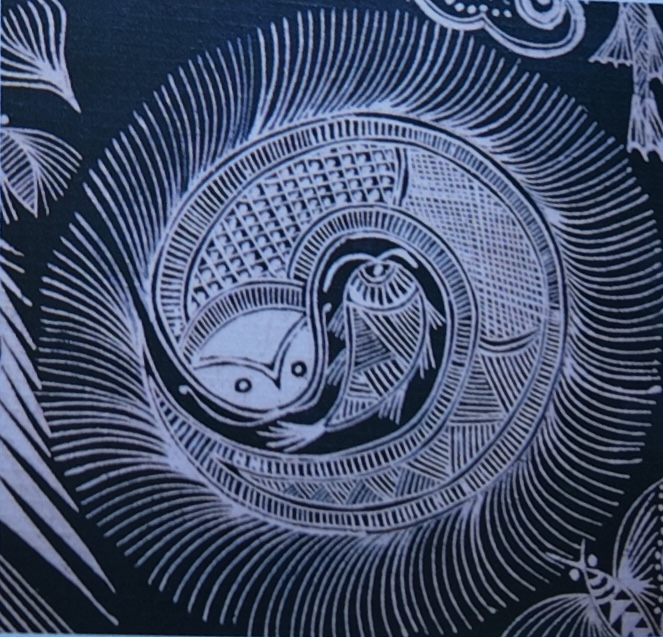
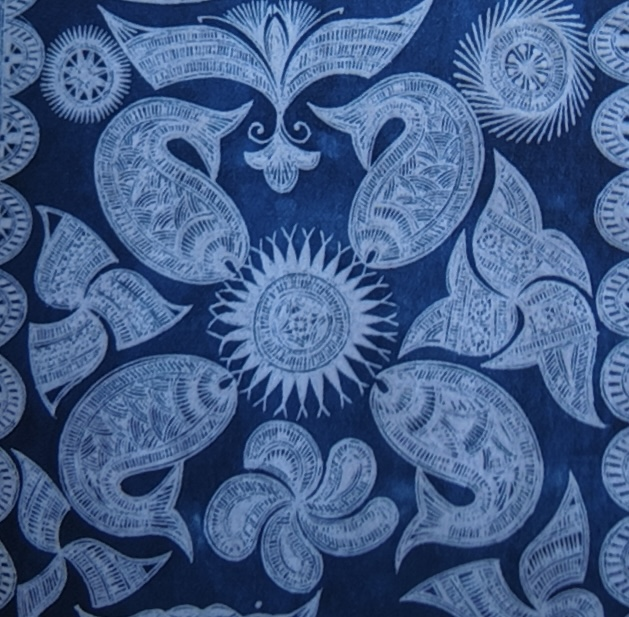
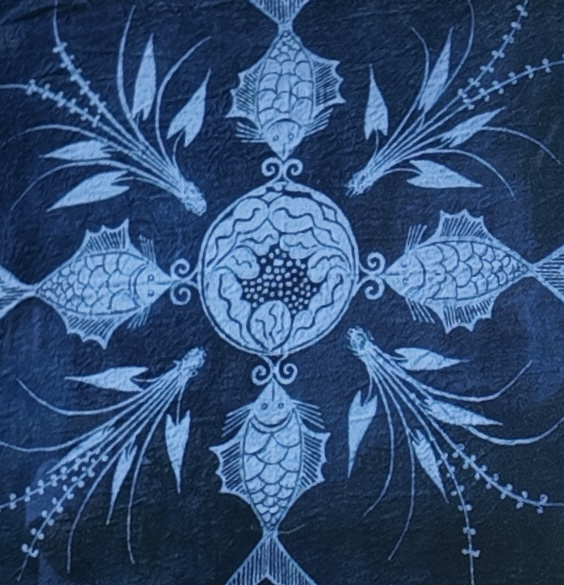
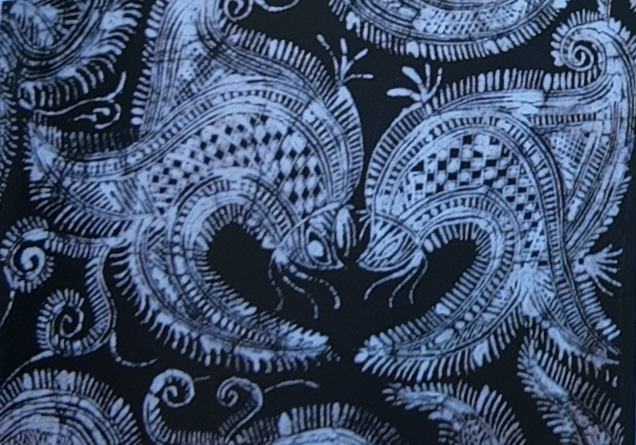
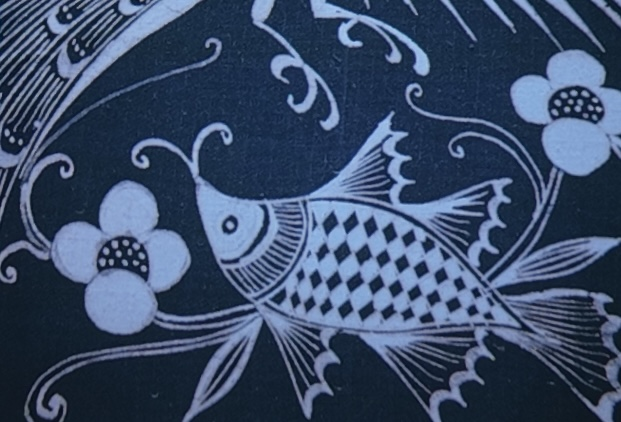
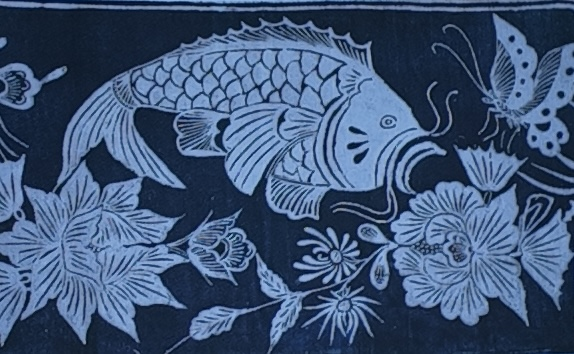
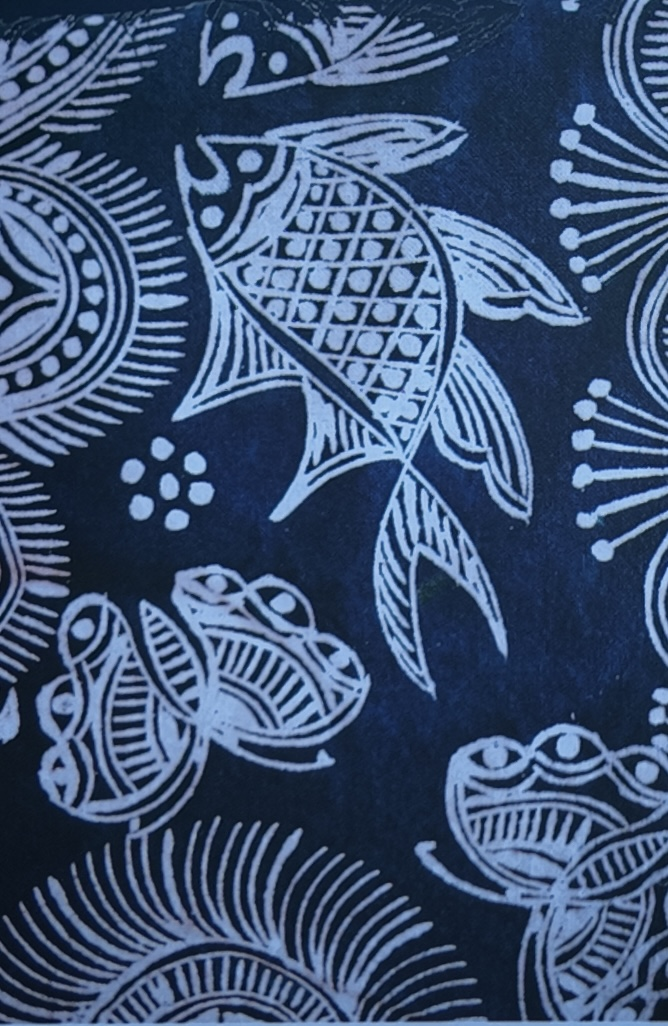
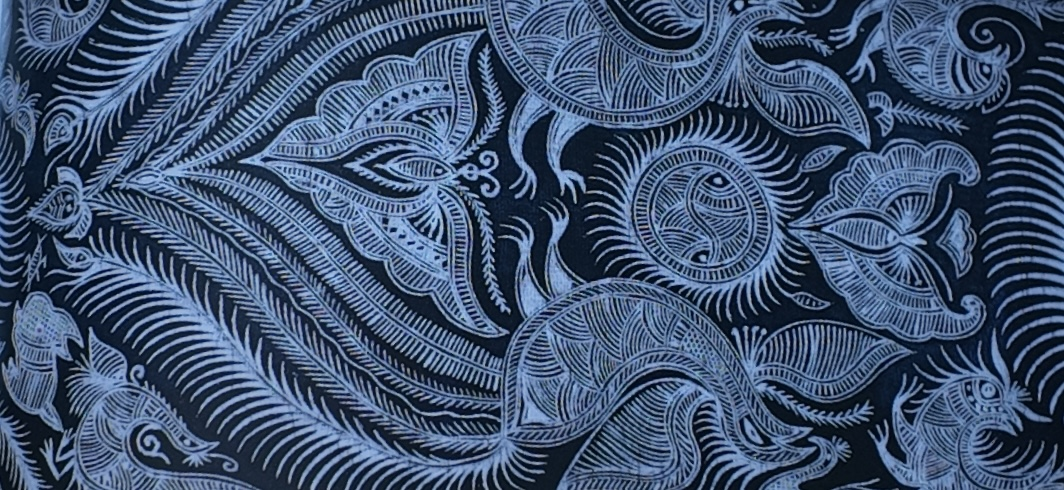
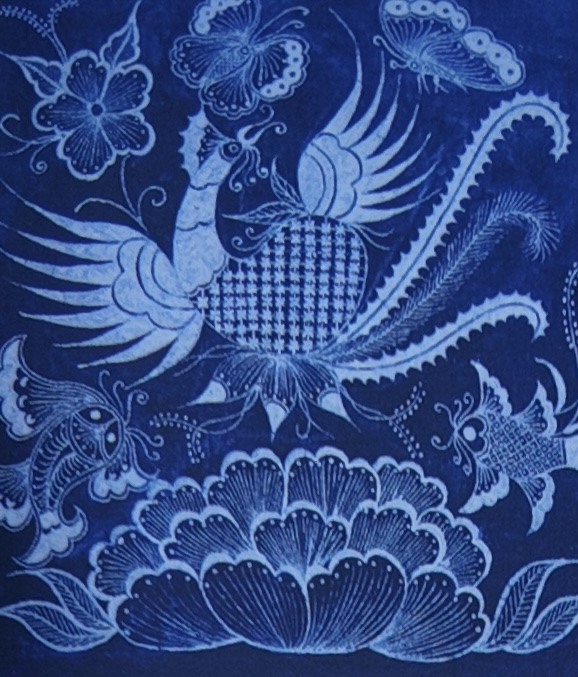
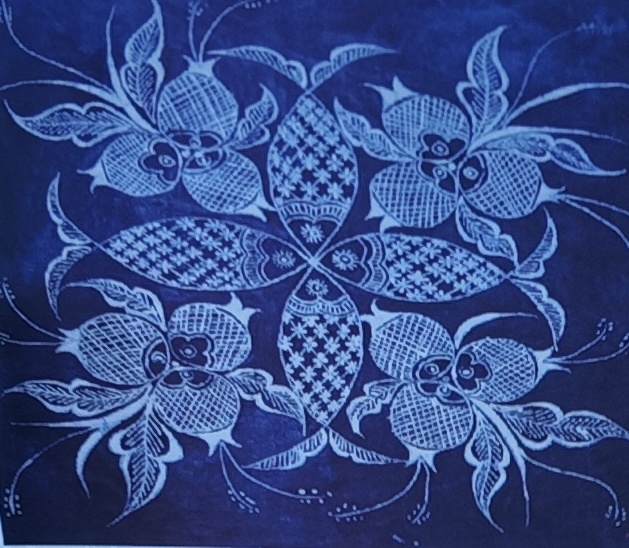
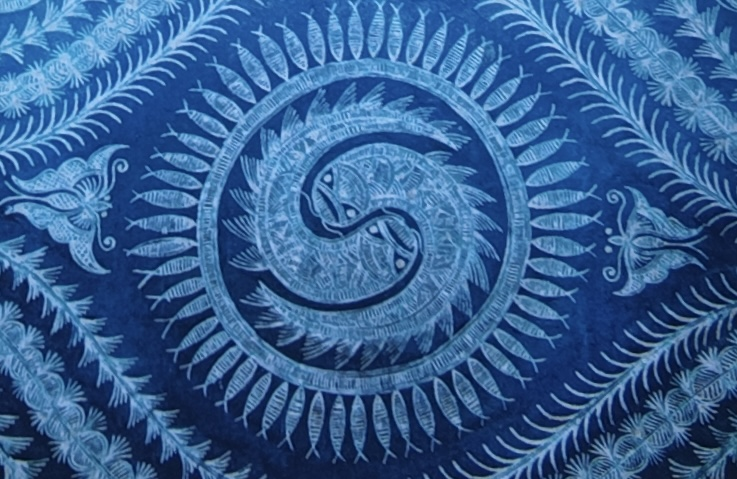
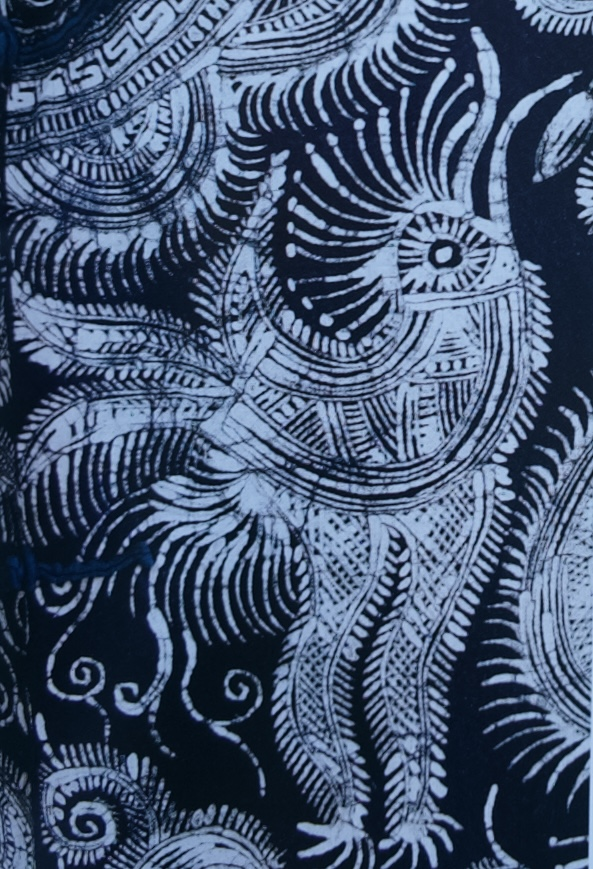
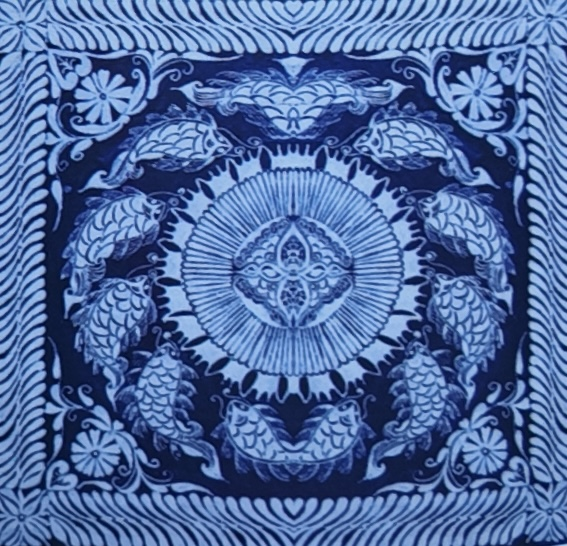
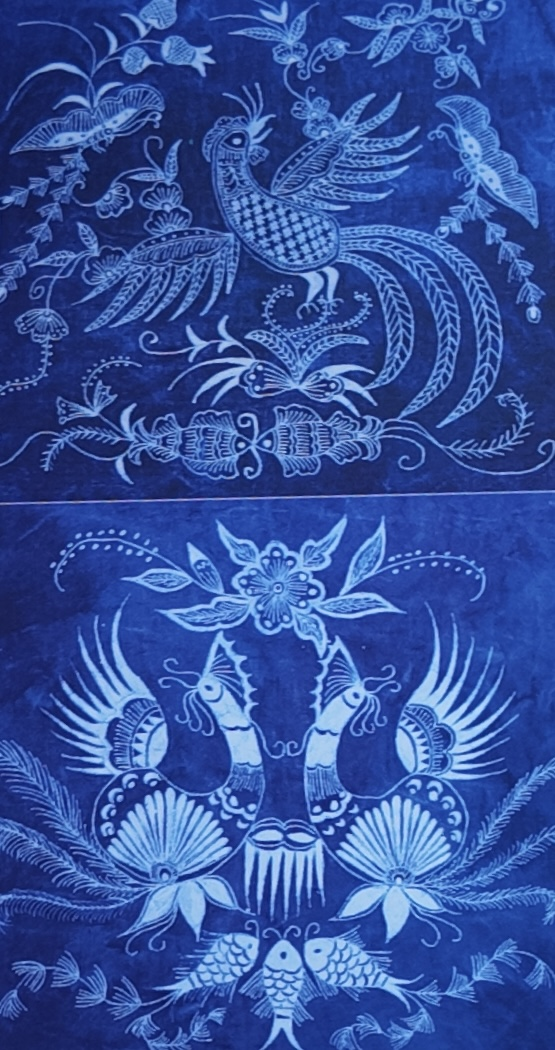
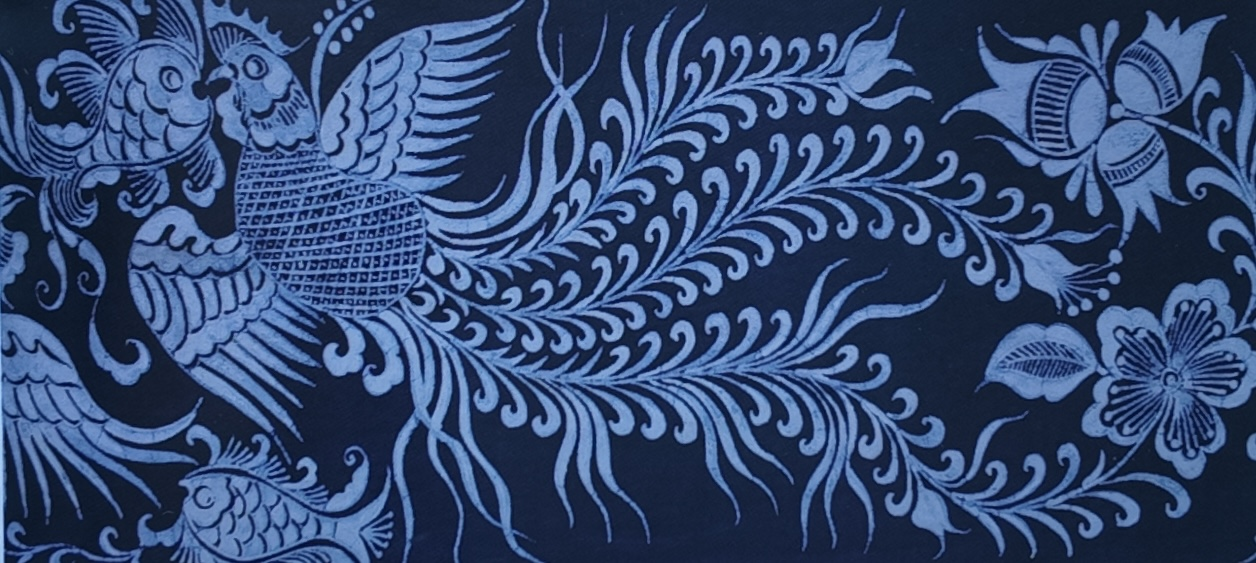
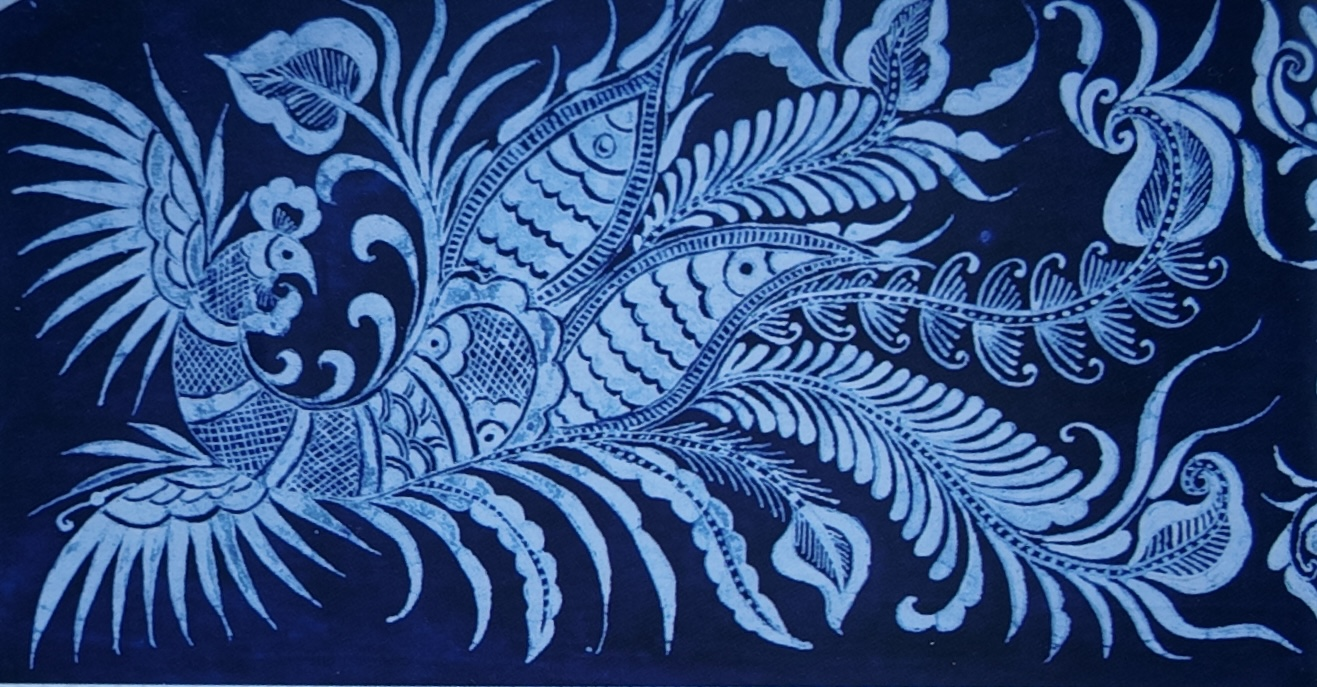
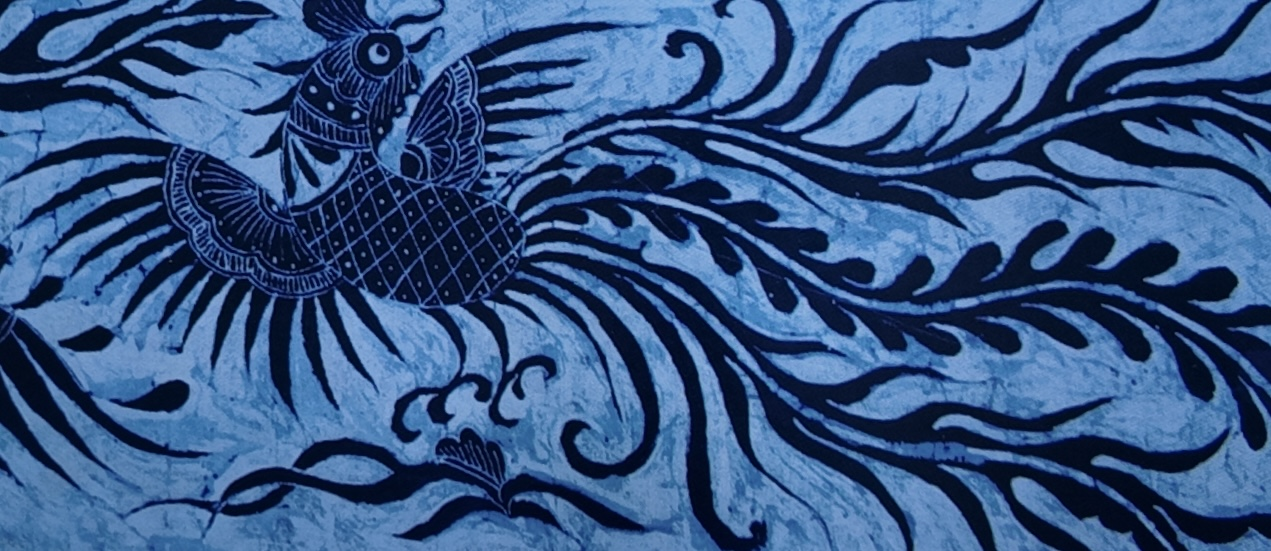
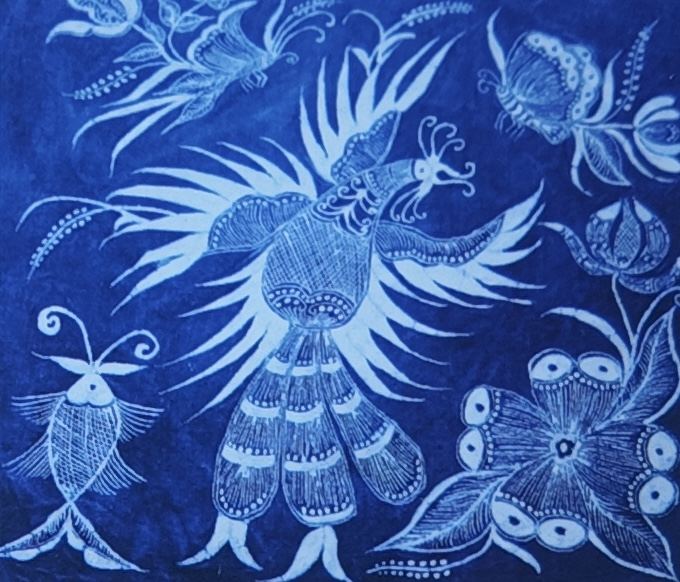
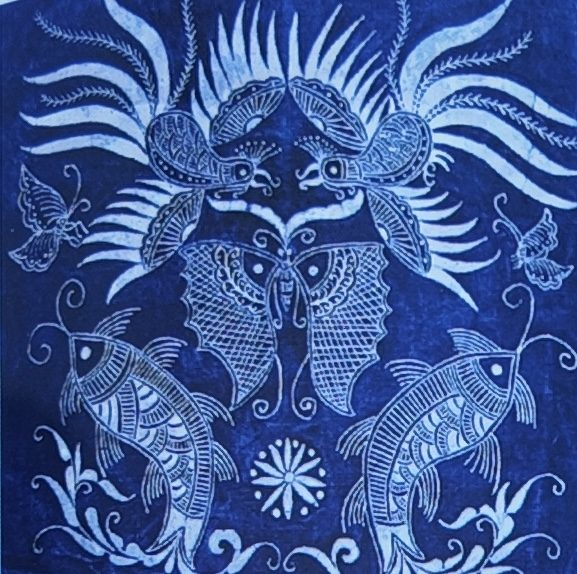
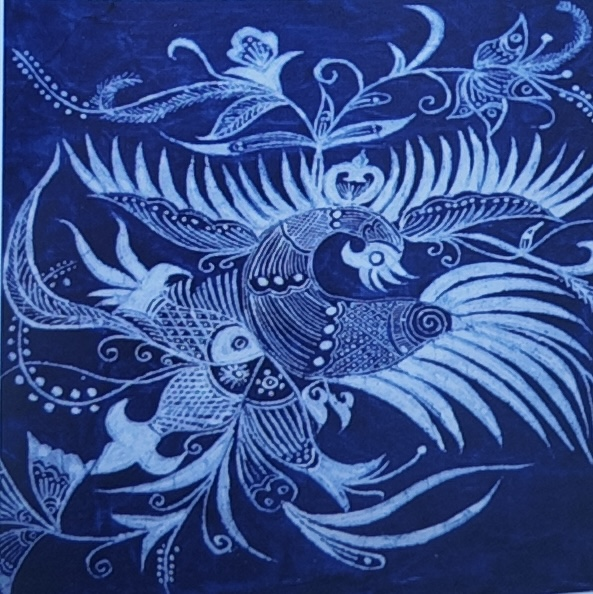
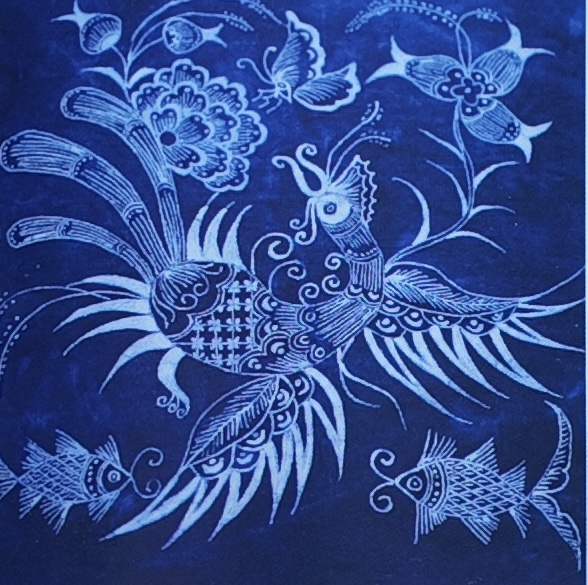
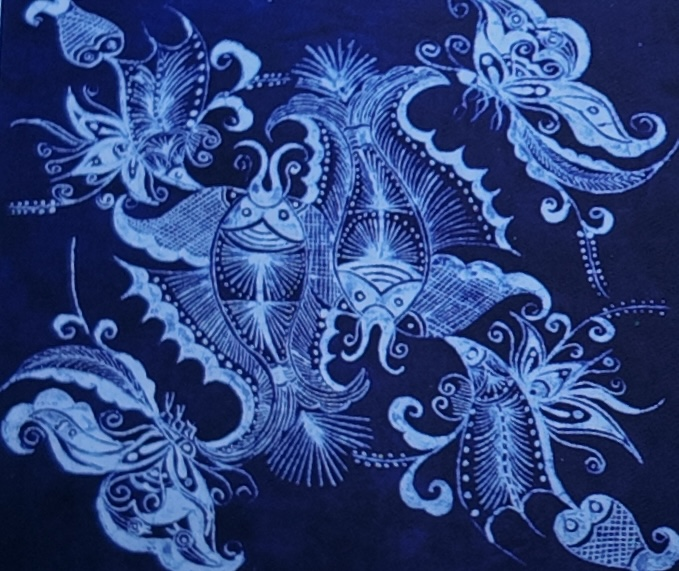
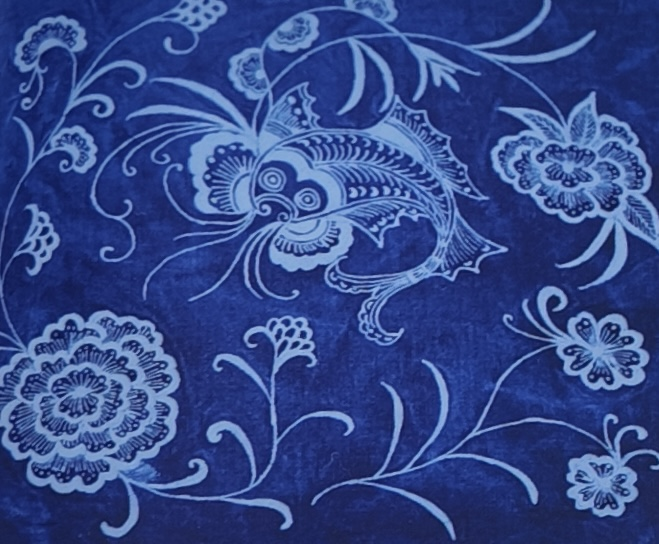
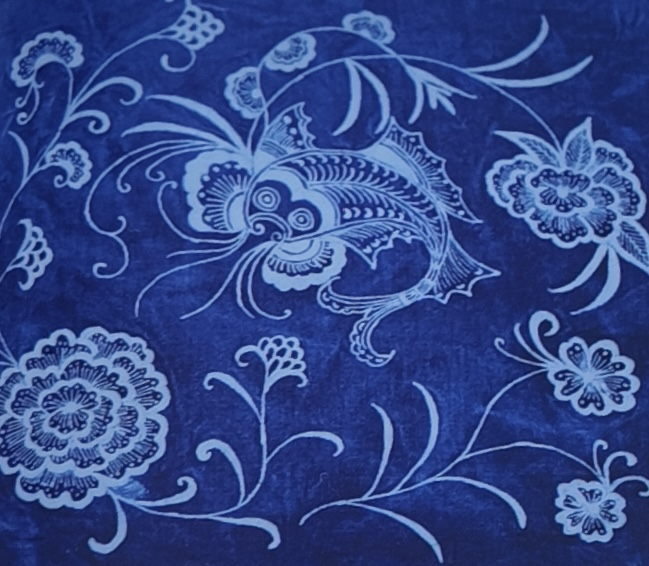
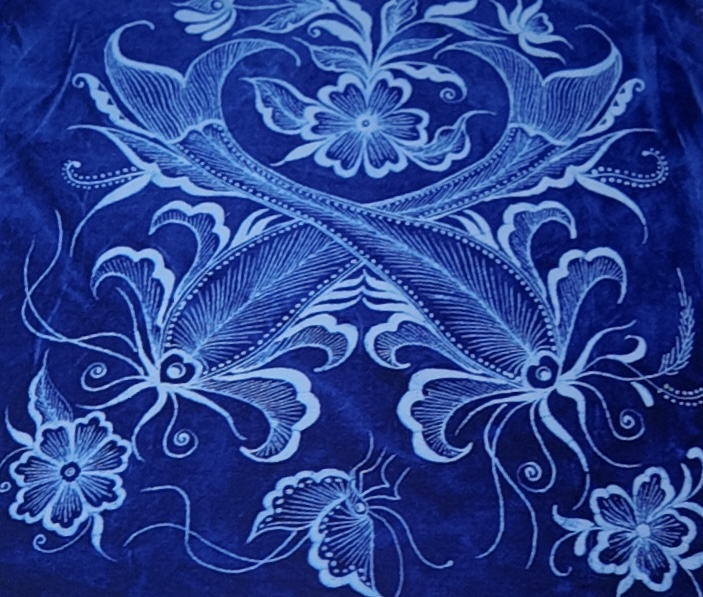
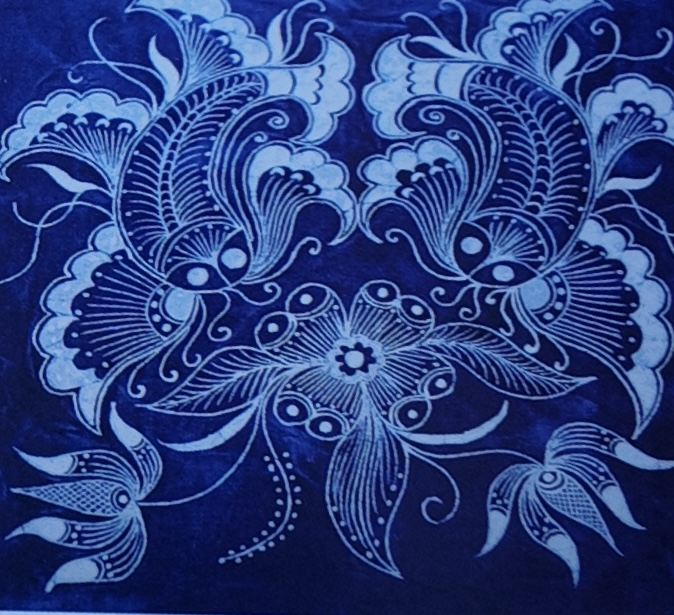
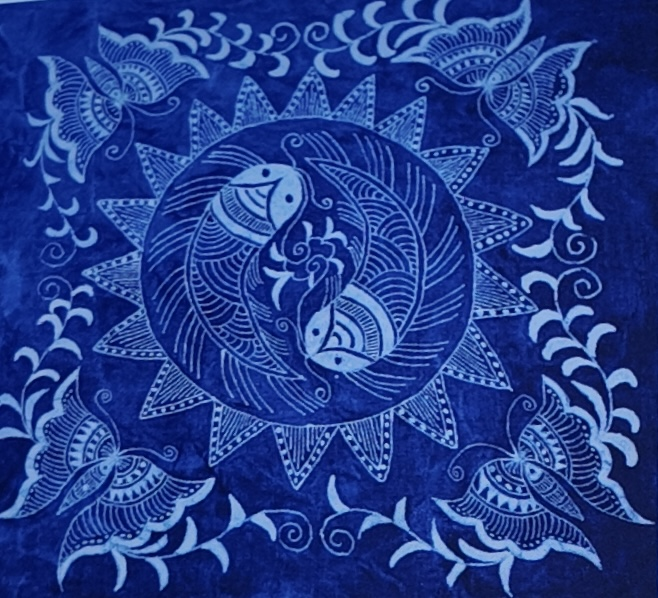
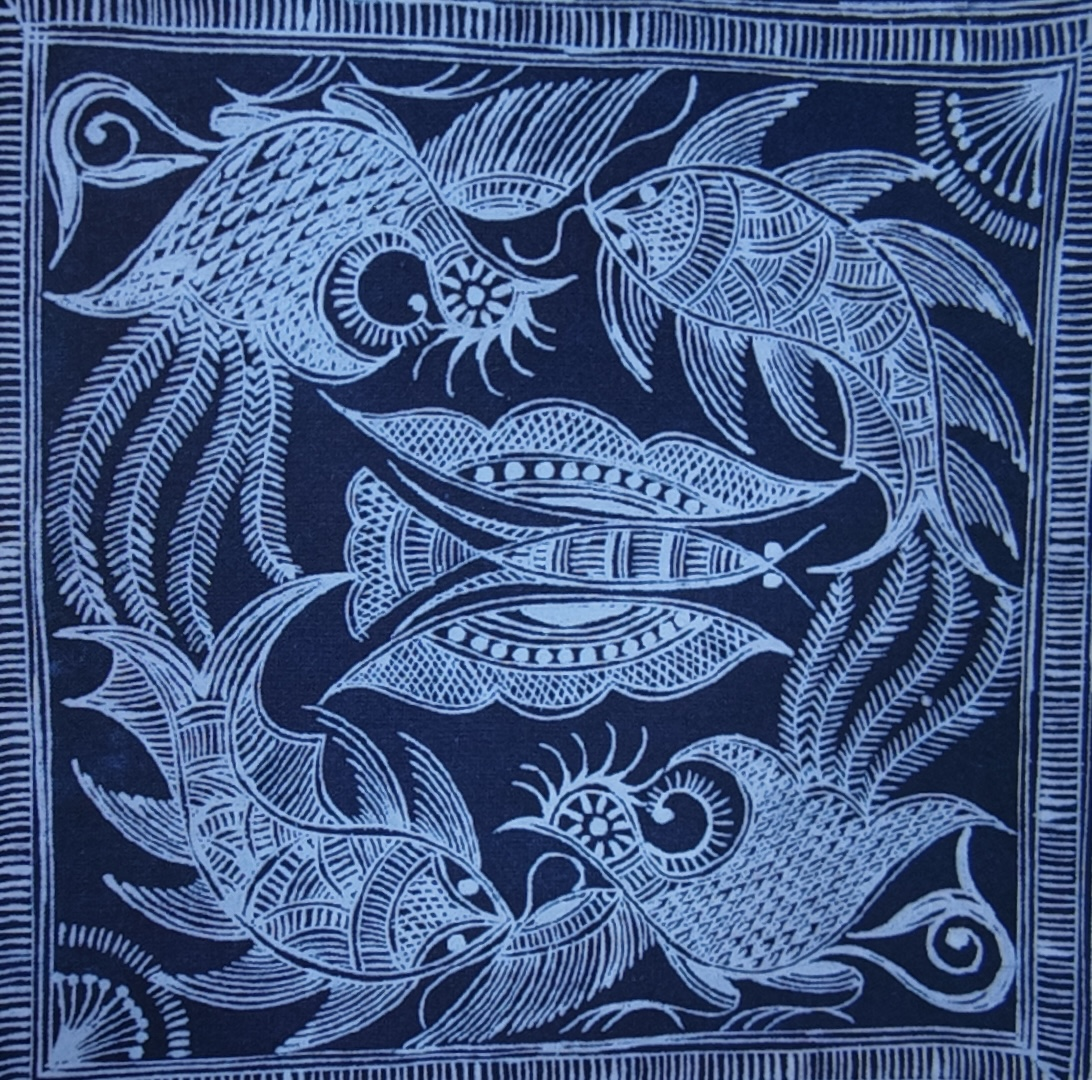
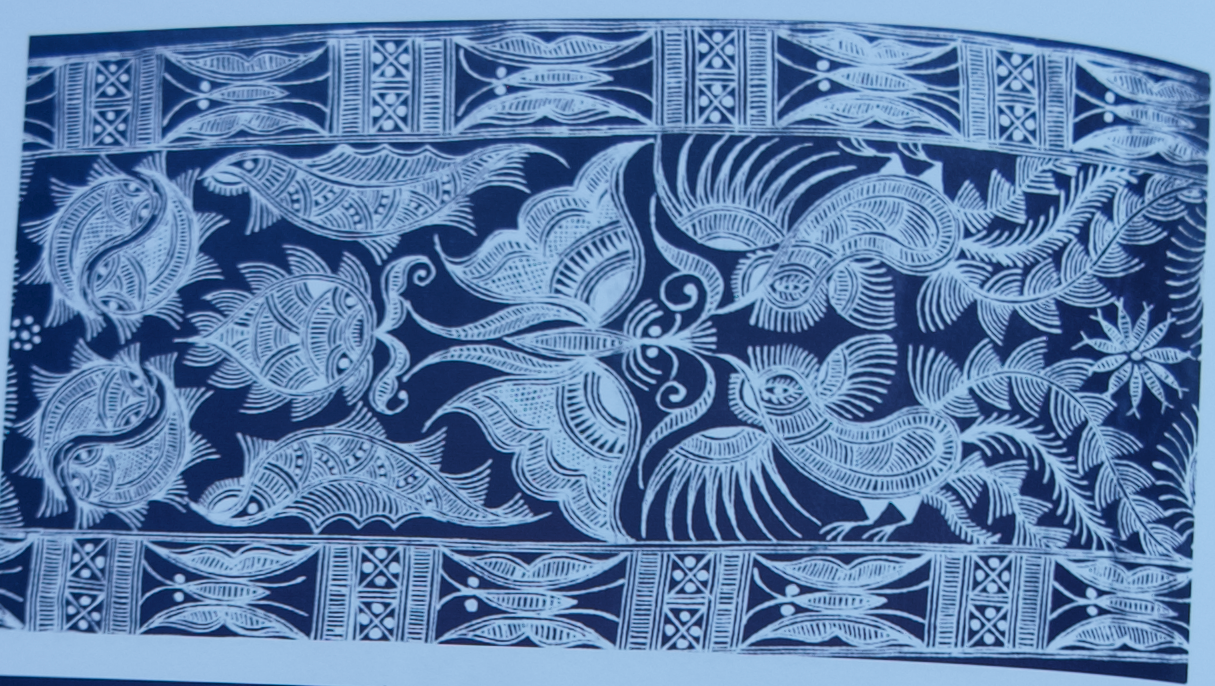
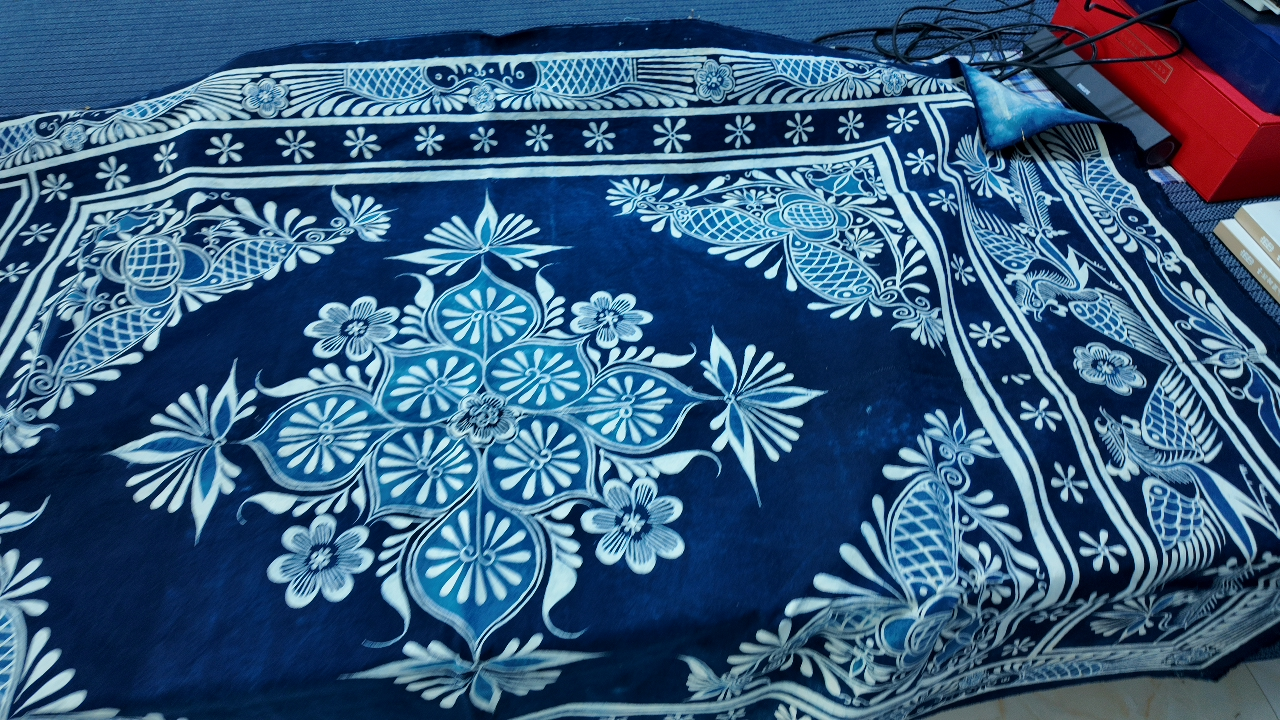
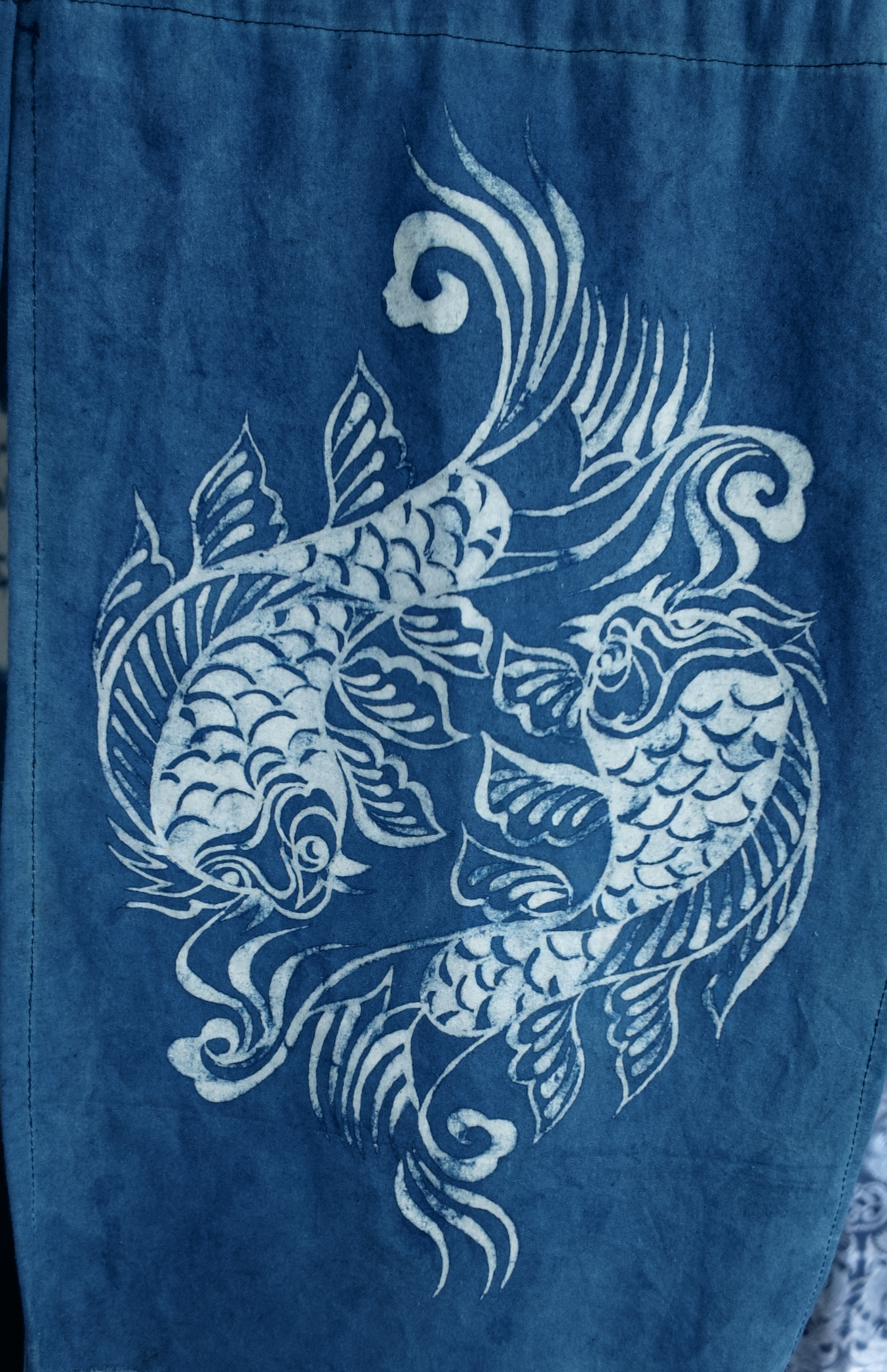
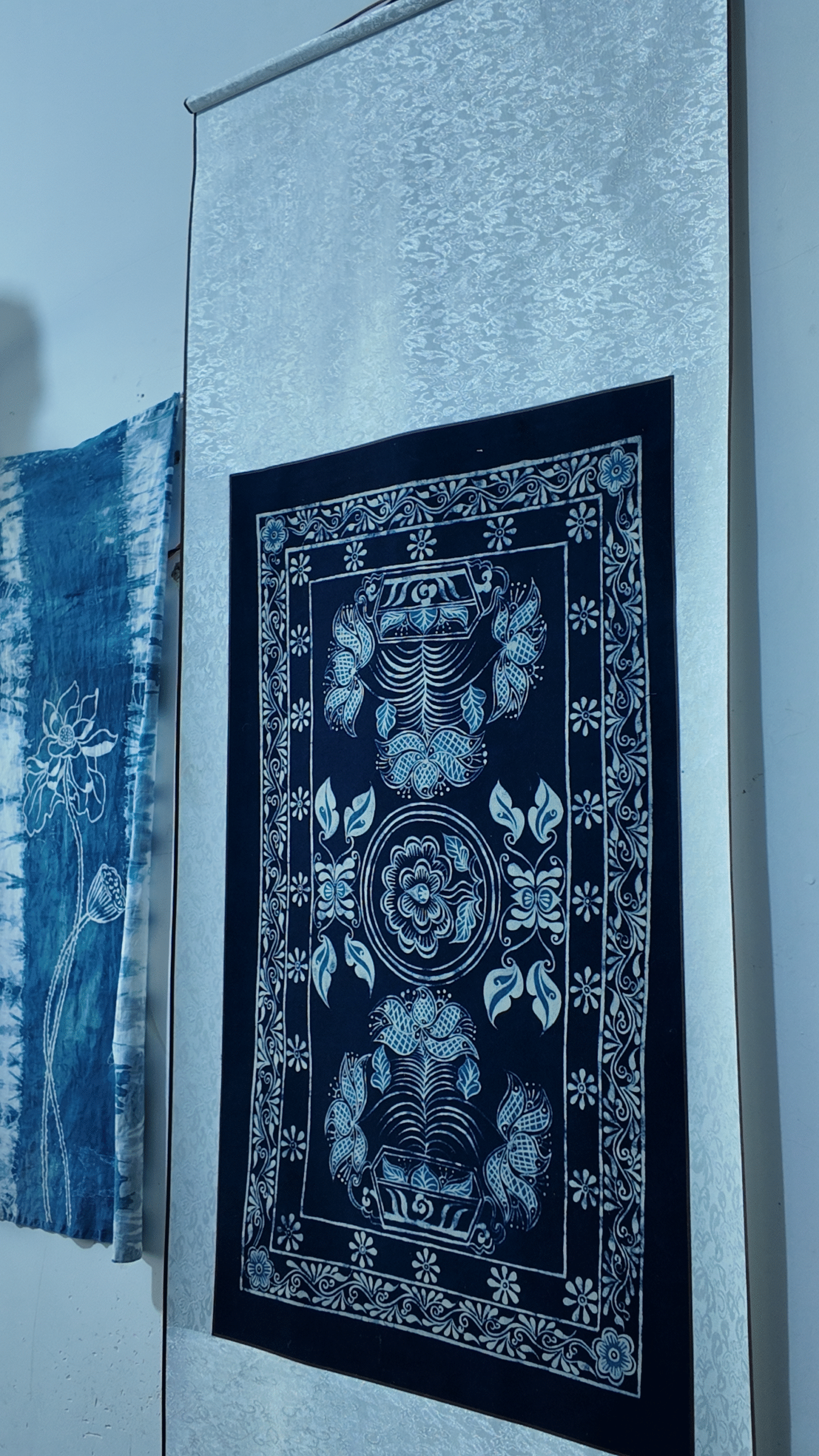
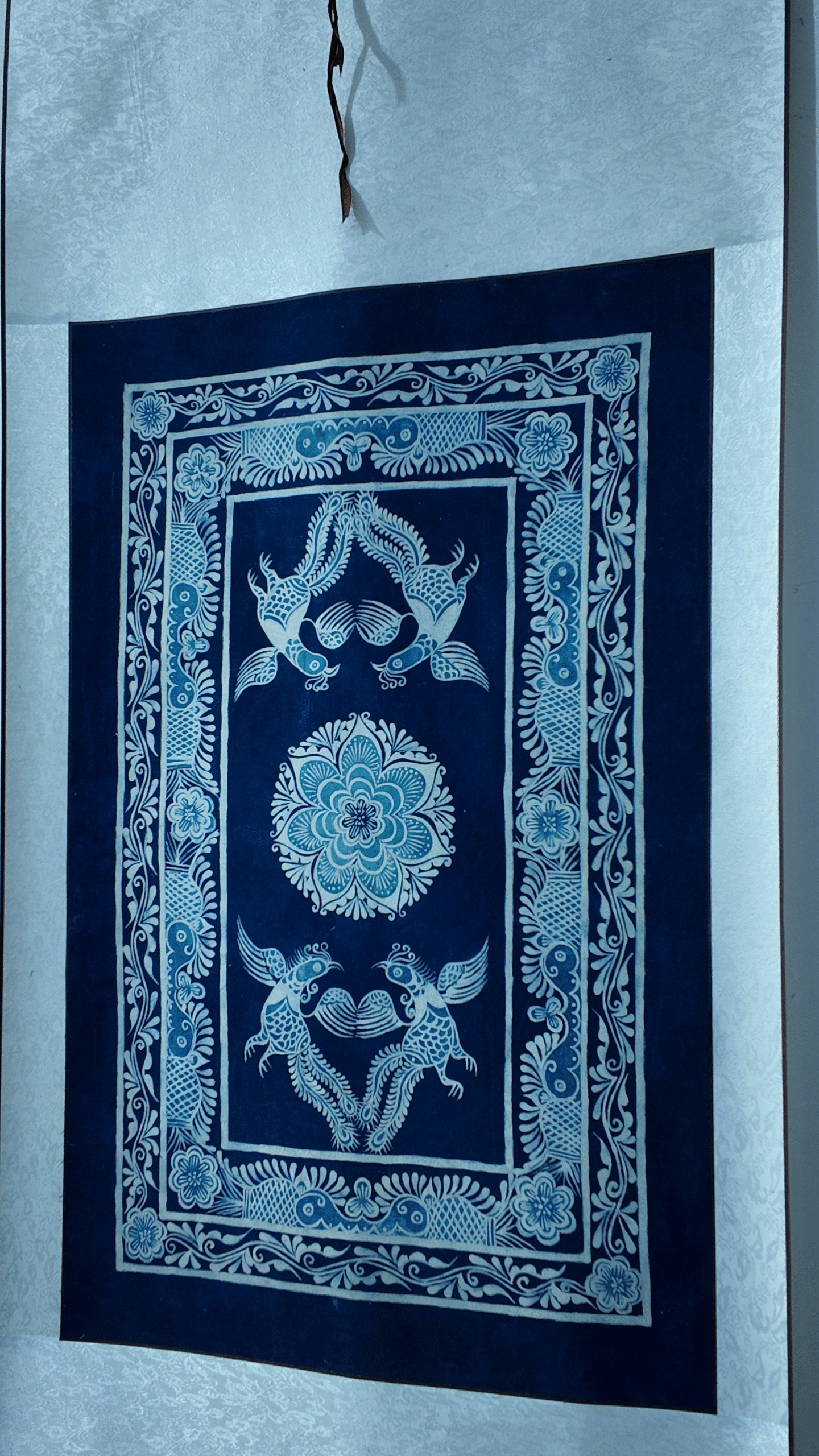
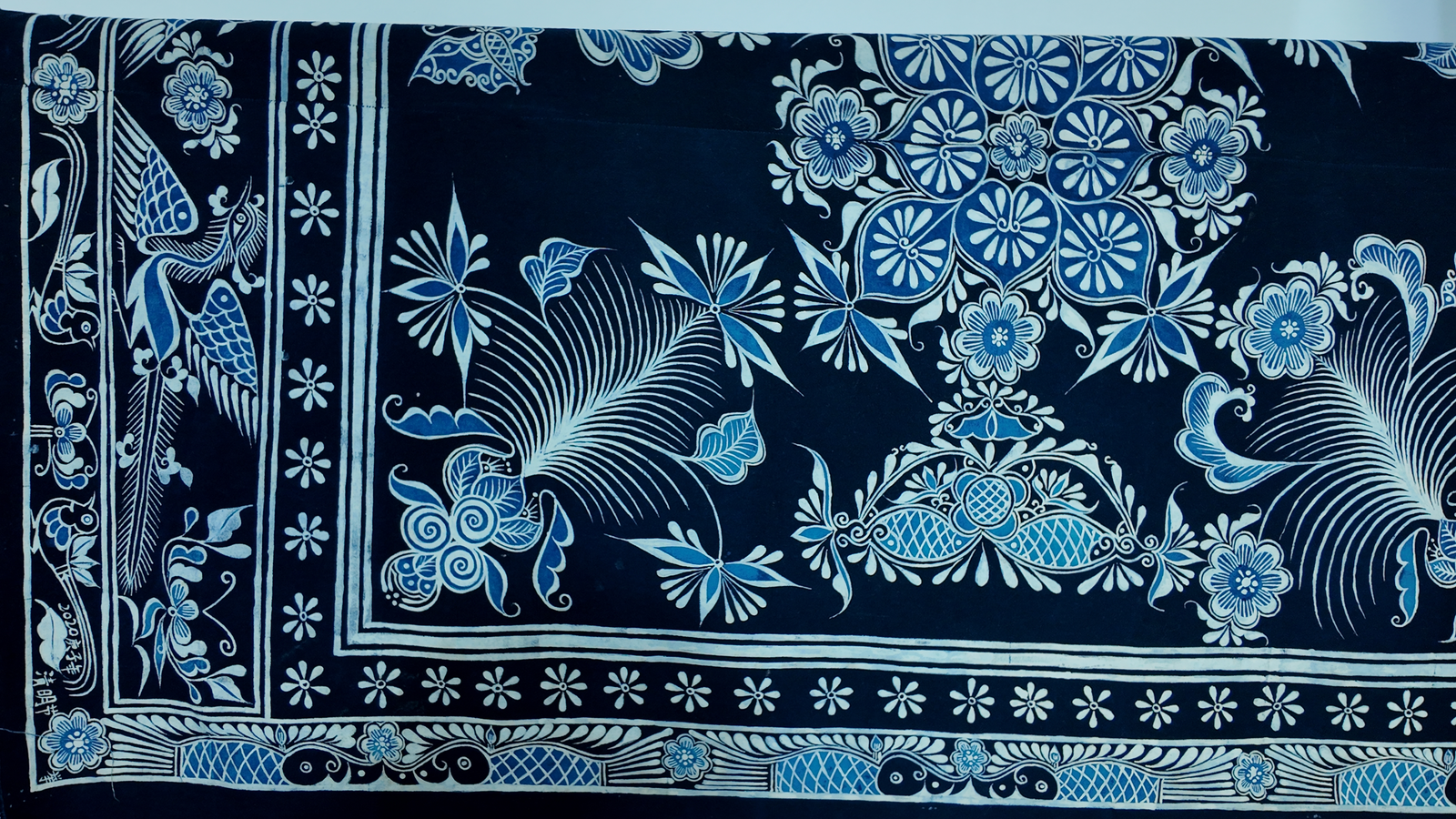
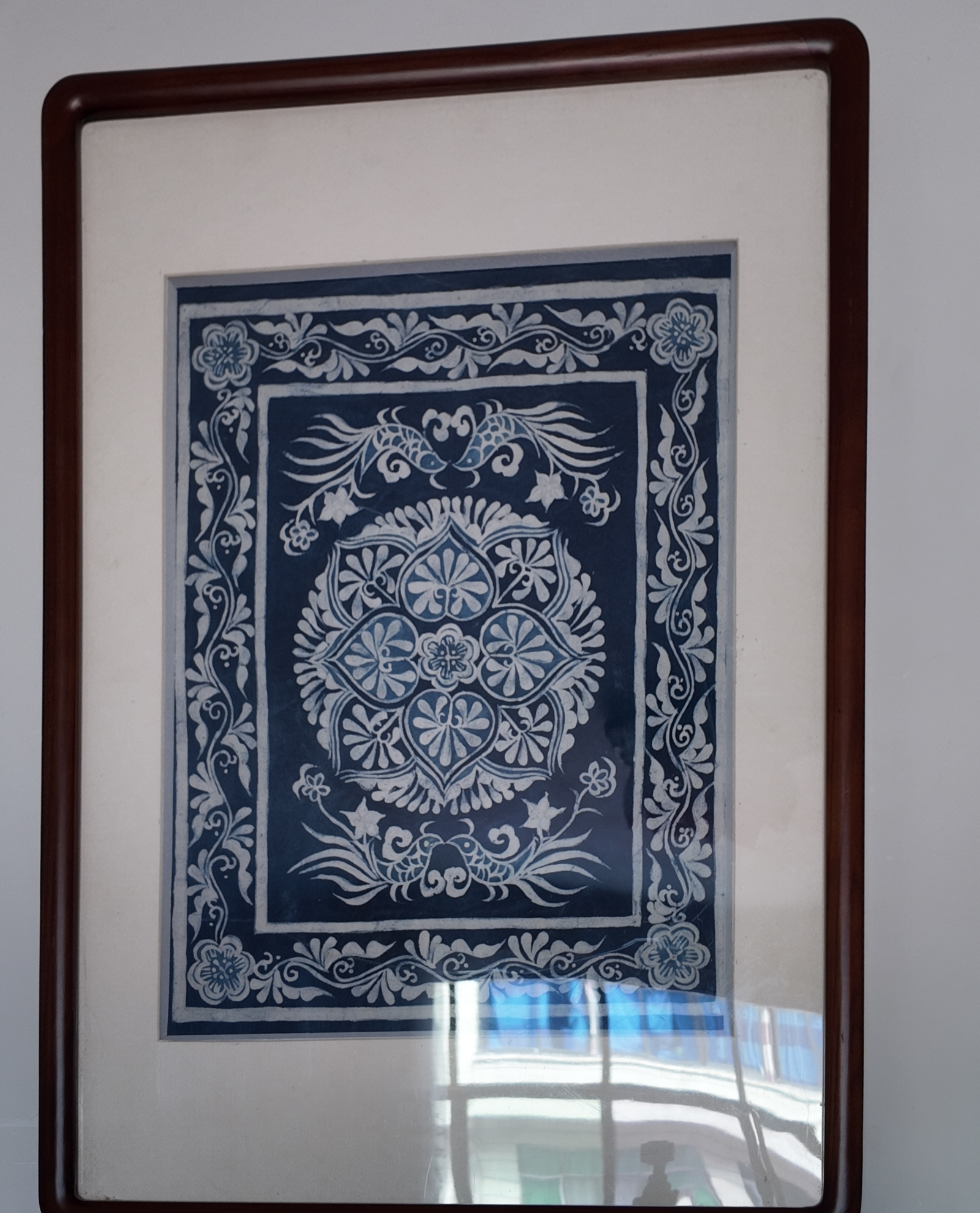
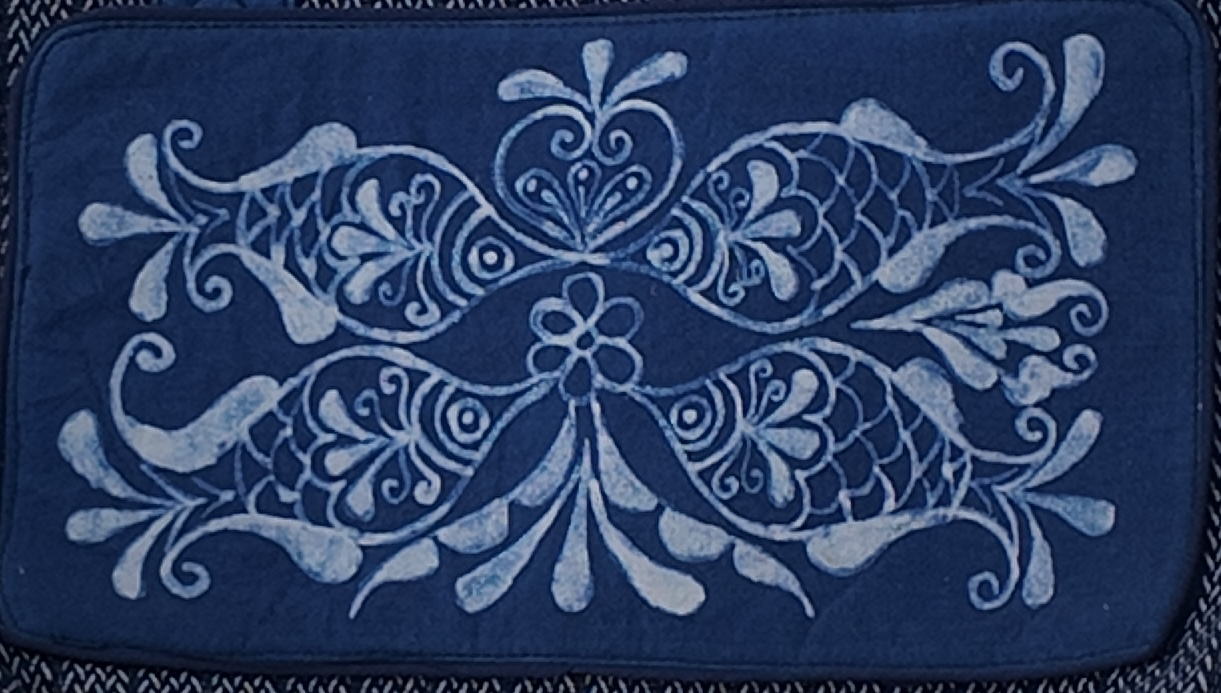
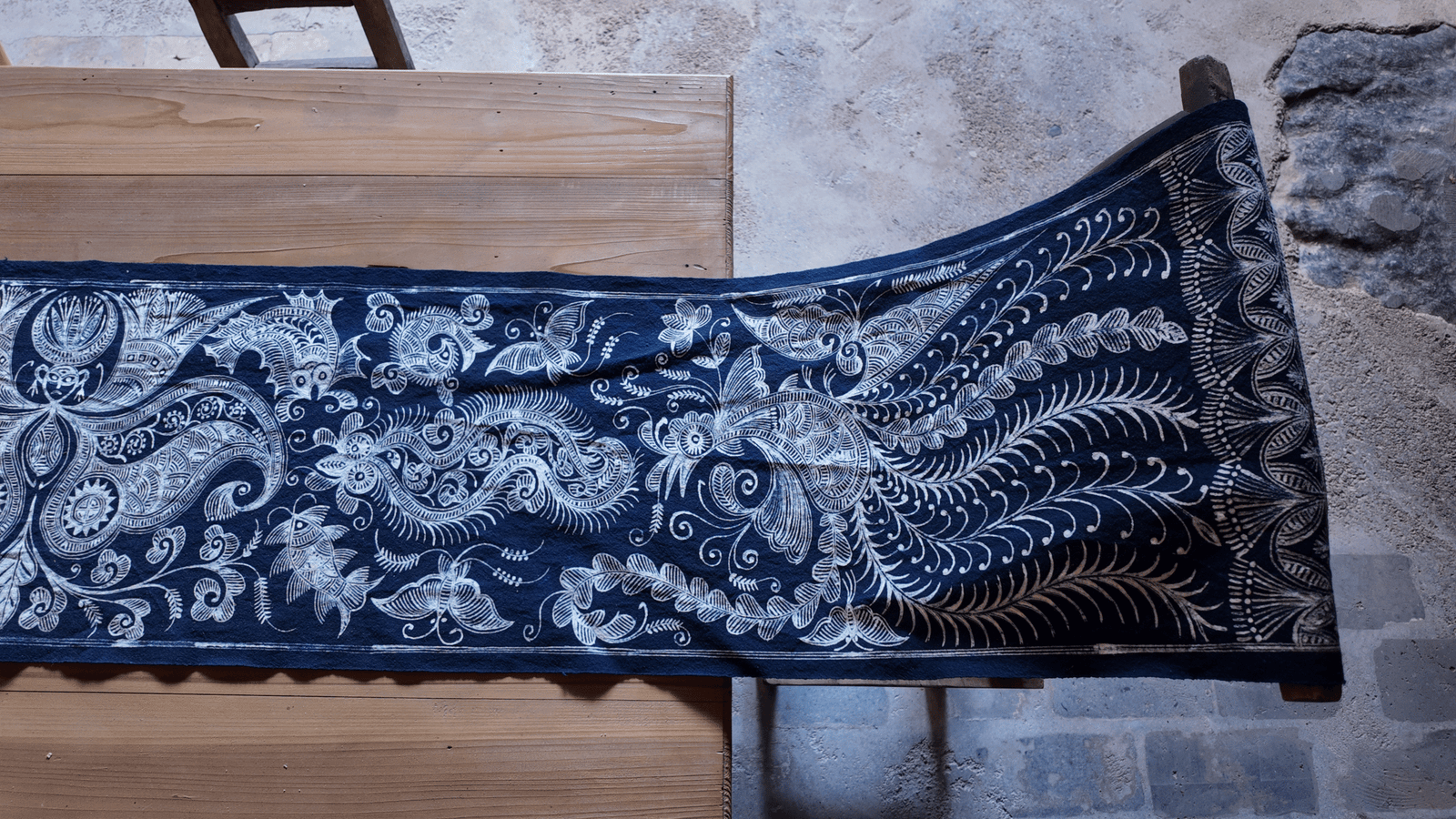
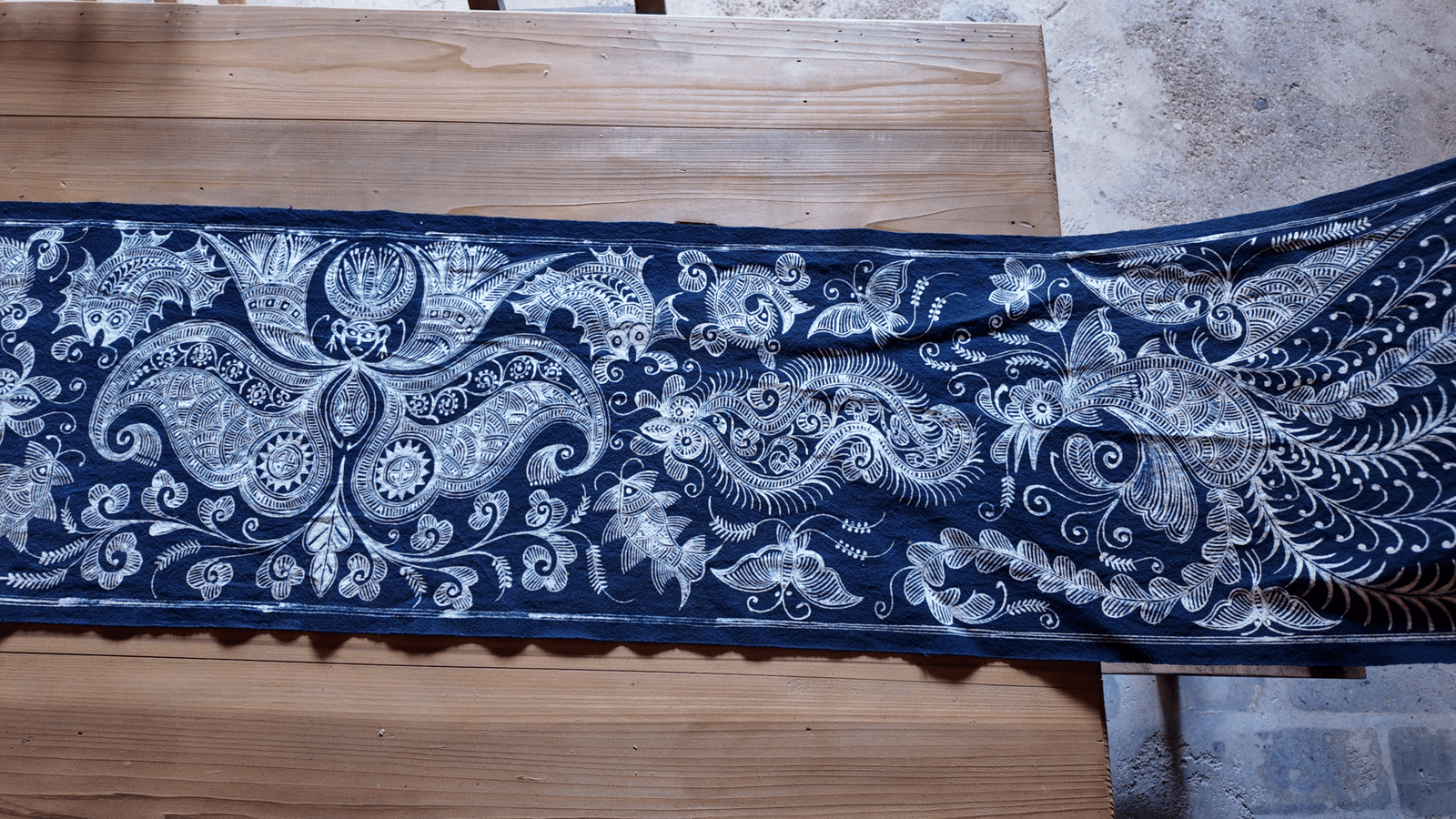
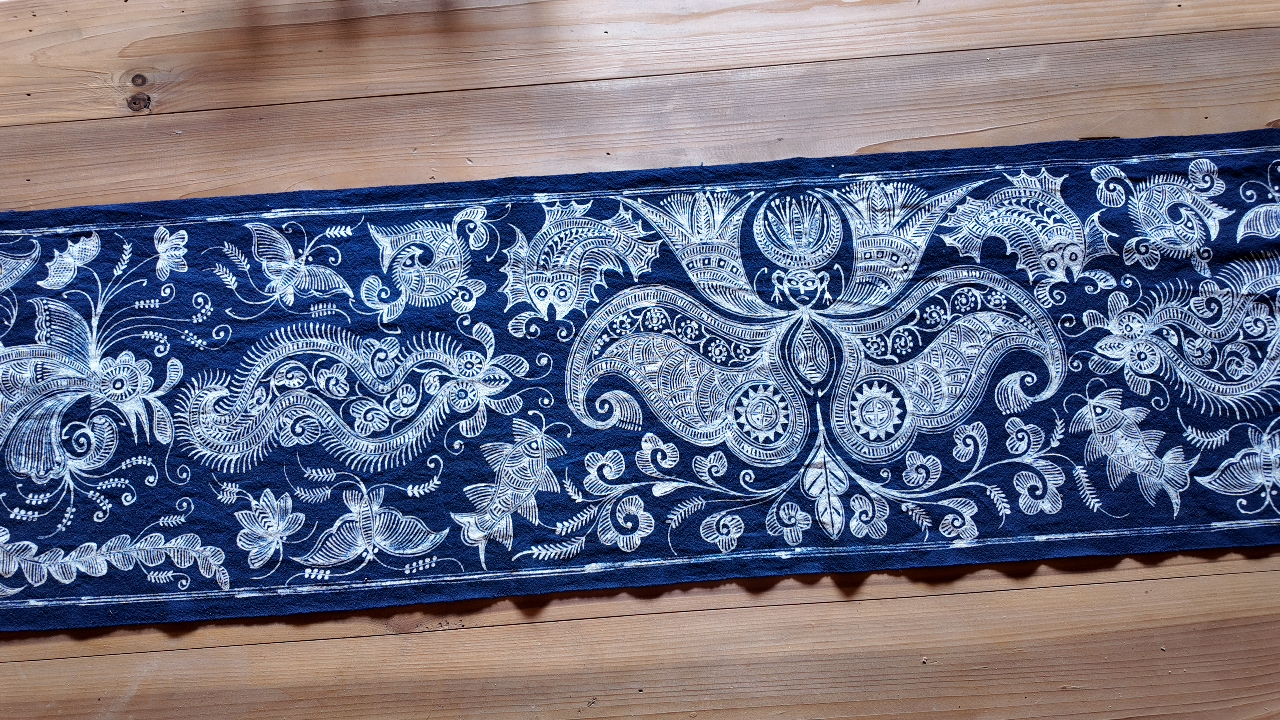
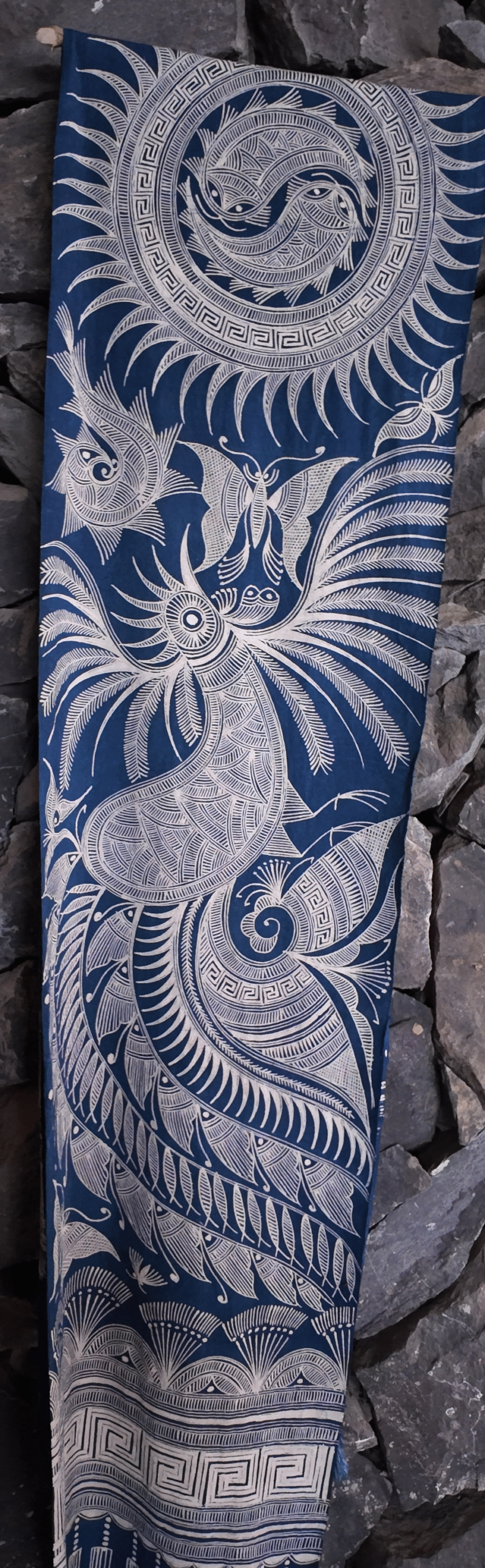
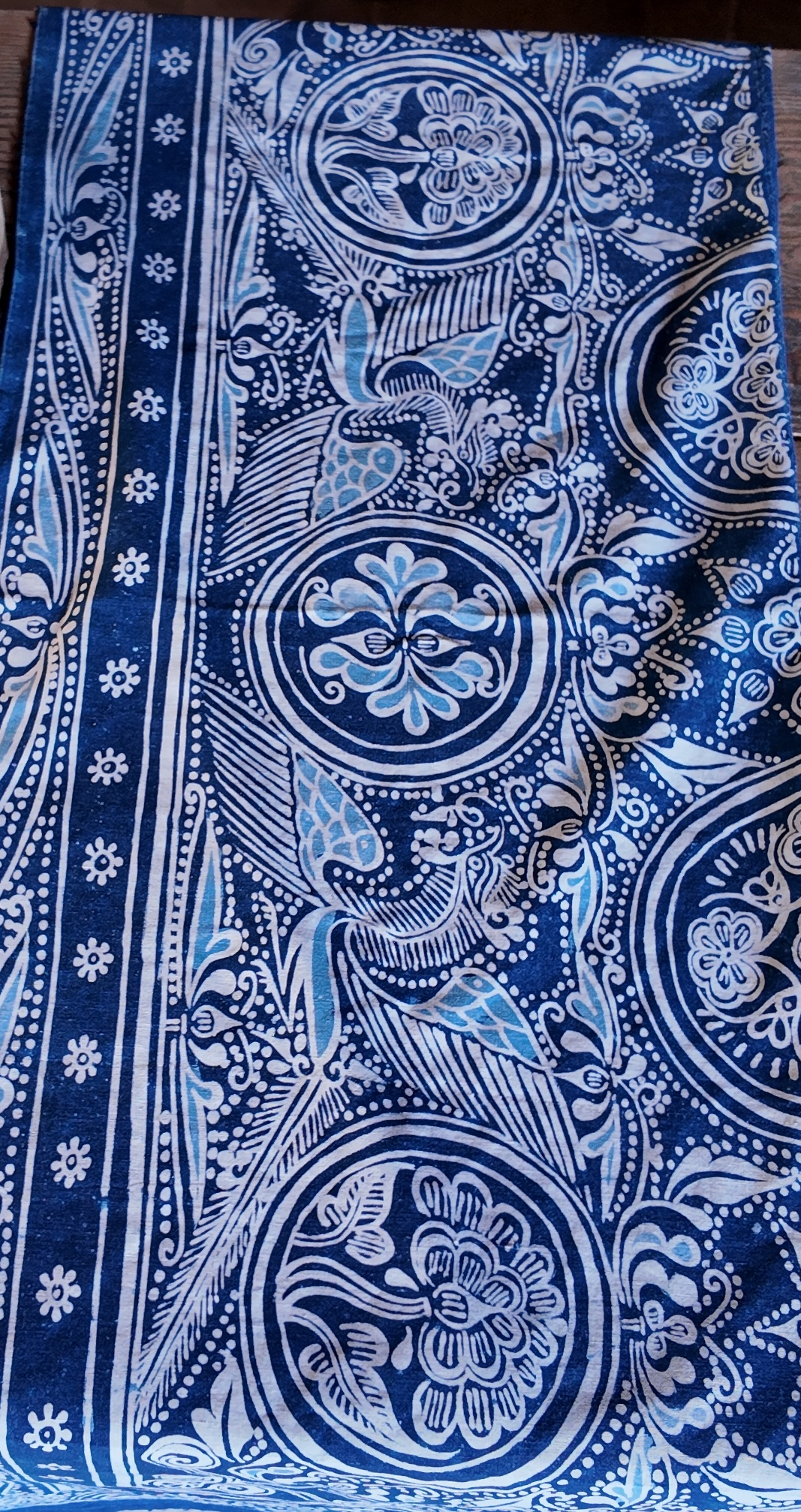
The carp fish is a specific type of pattern that are gifted and drawn for newly married couples. It is a symbol of fertility, the desire for more children, good wishes for paternity and maternity for passing down of bloodlines, which conveys their admiration and respect for the primitive way of breeding; These standards being considered as idealized lifestyles in the Bouyei people’s tradition culture is grounded to the Bouyei people’s surroundings of an enclosed, mountainous area, having a rather primitive and traditional value of fertility, family, and birth compared to modern values.
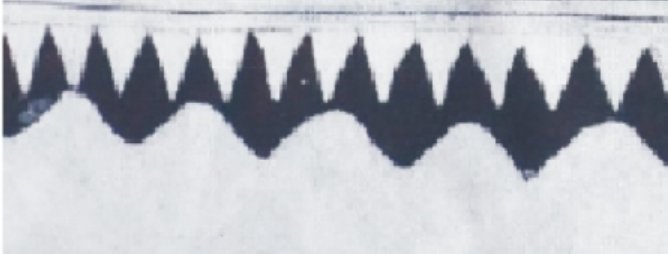
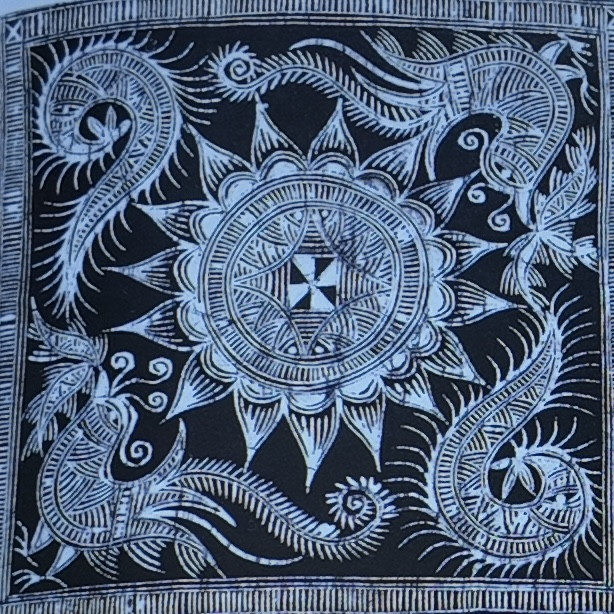
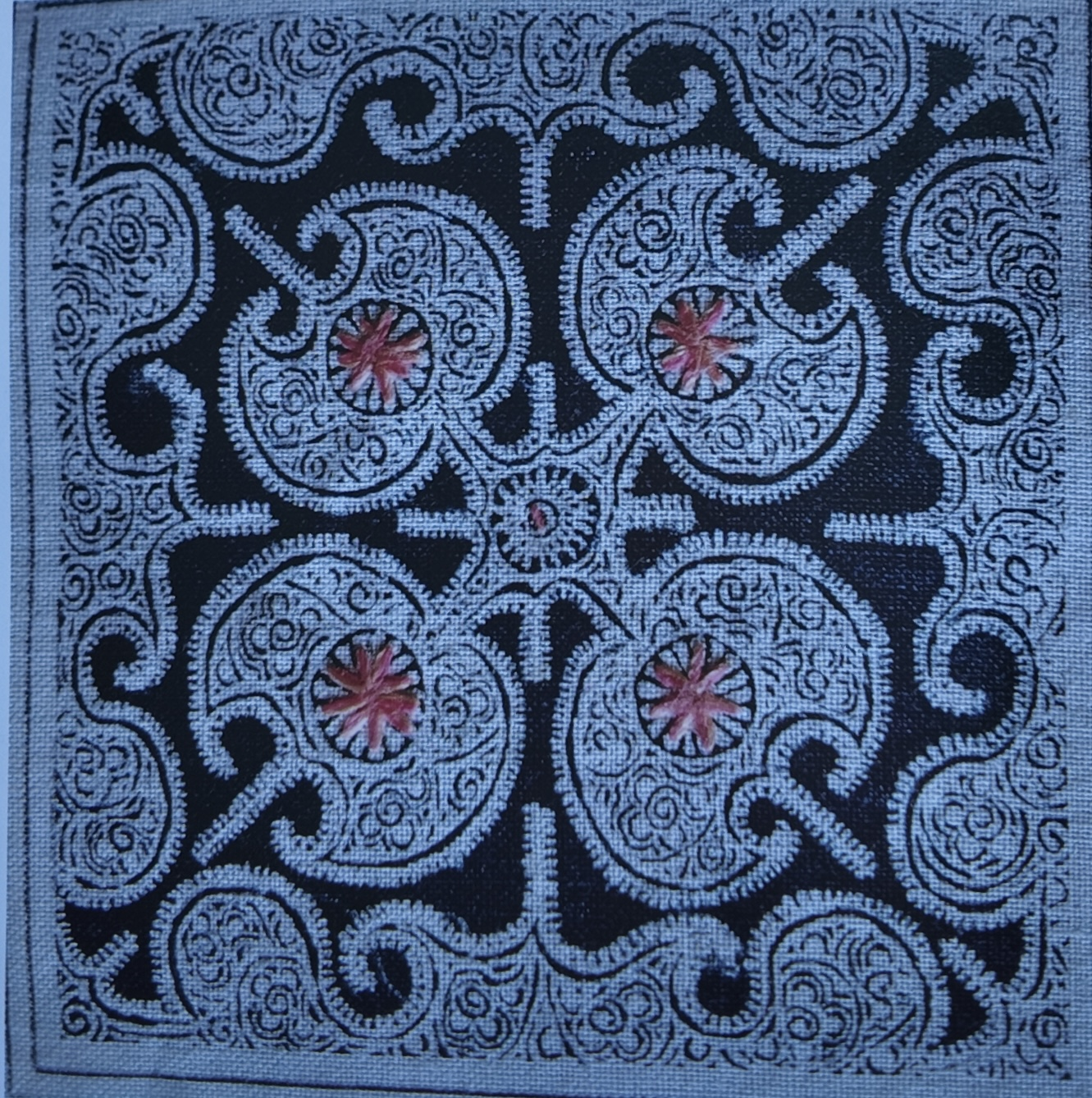
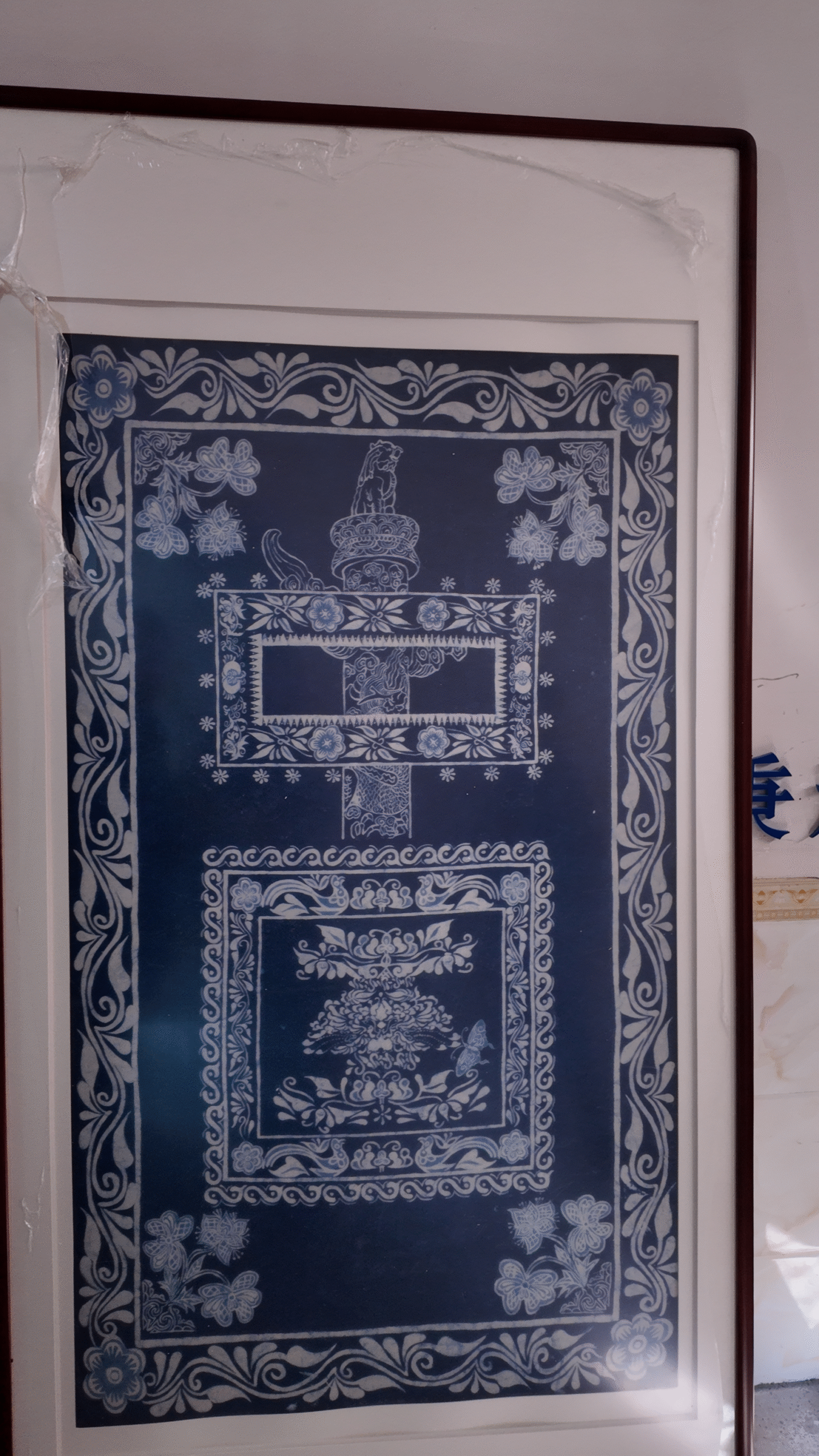
The Sawtooth/ dog tooth: Allegory to Famine
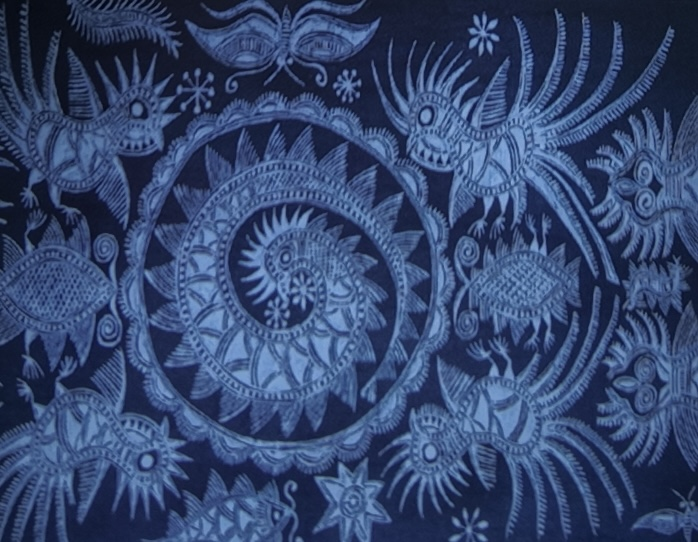
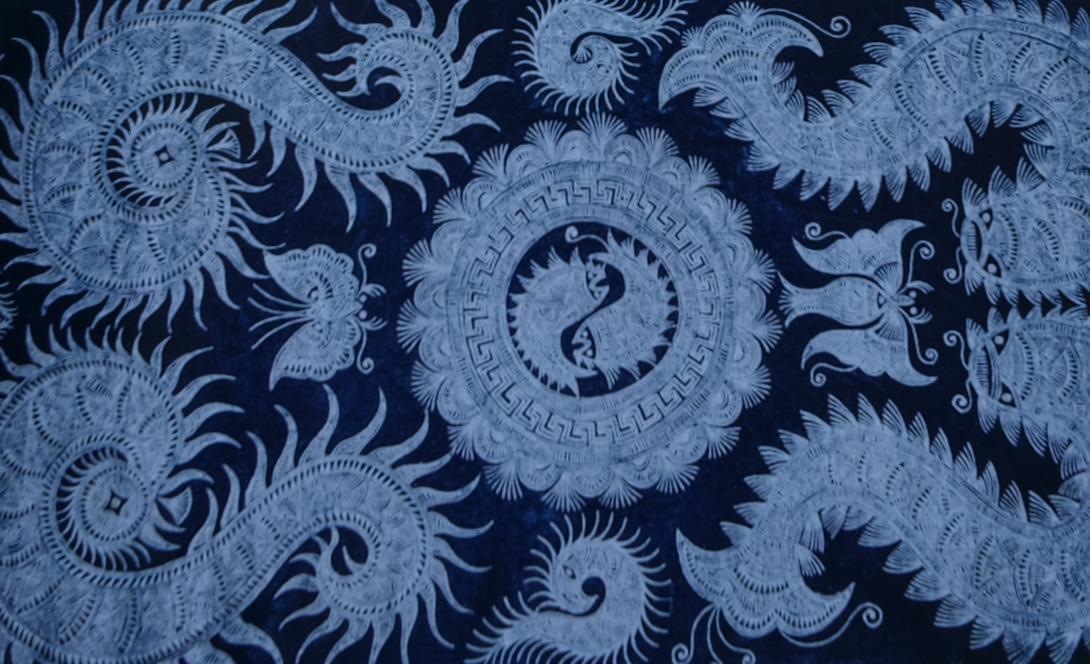
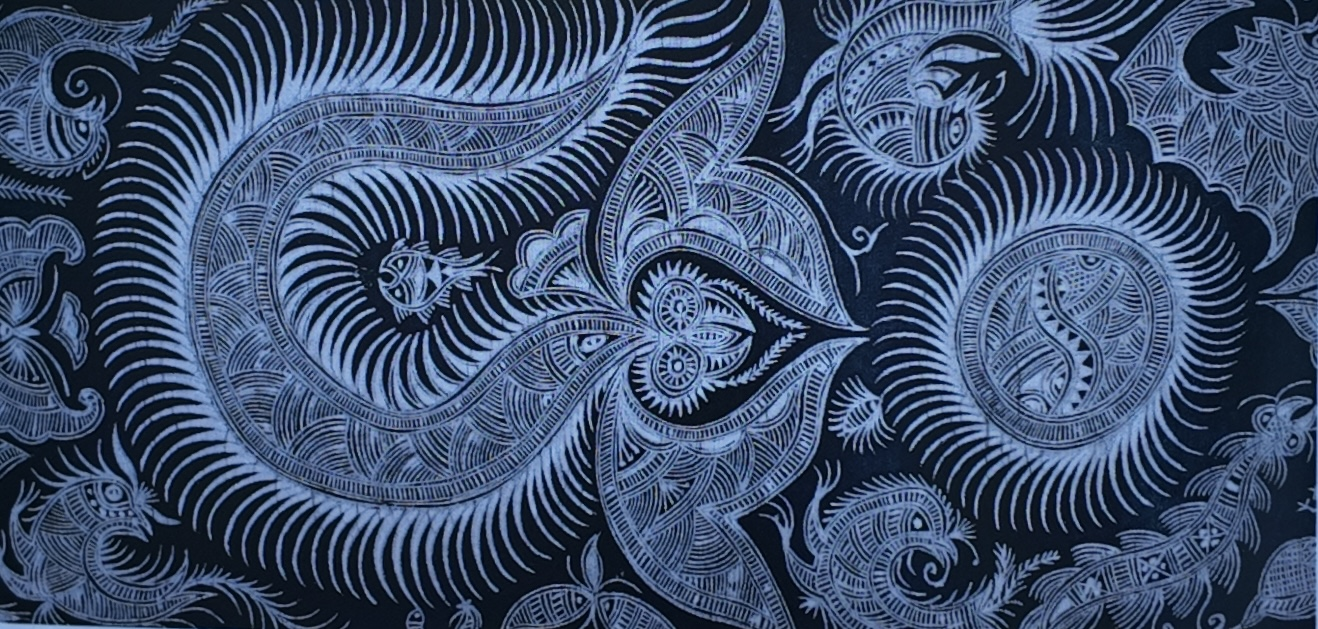
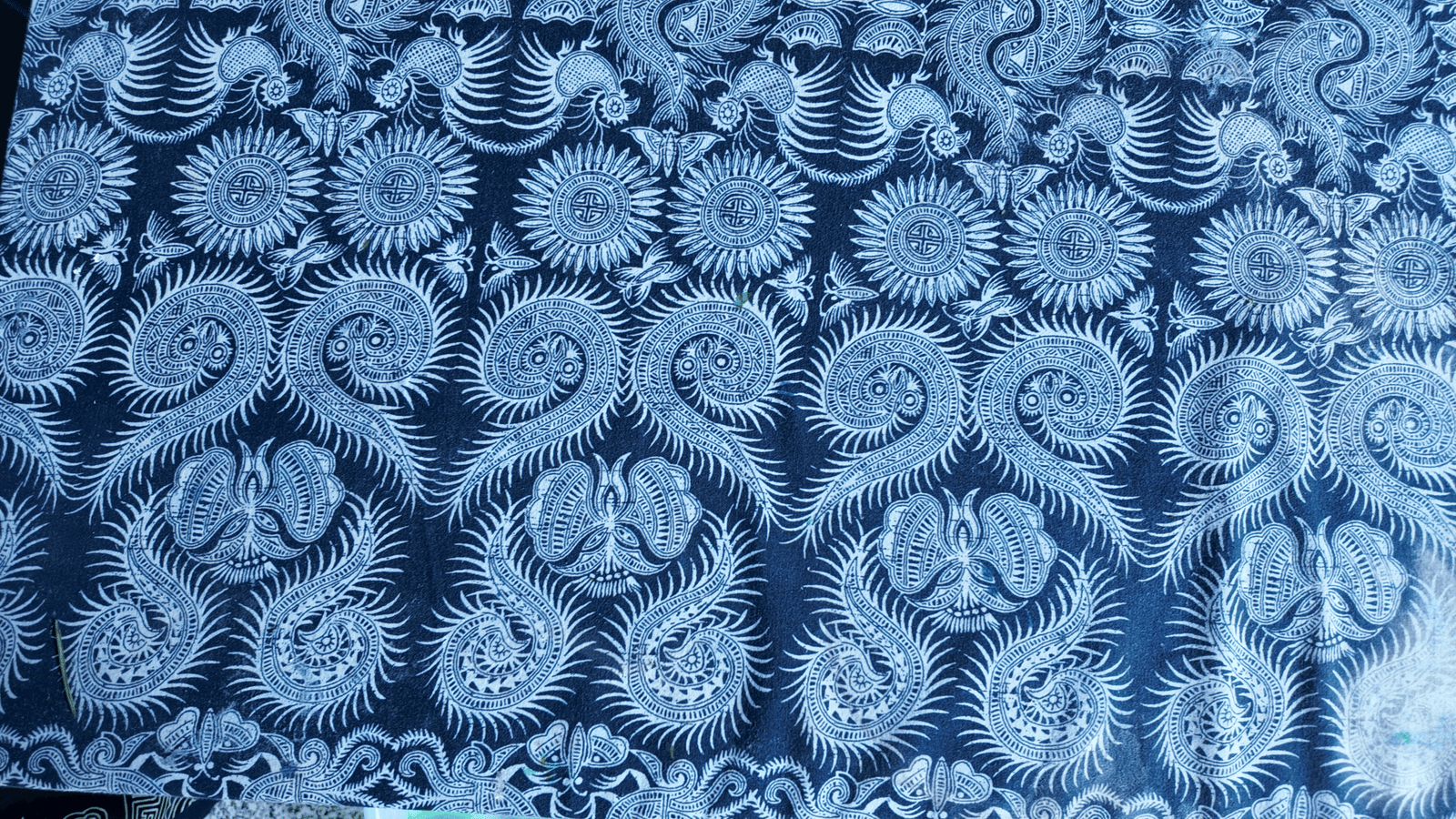
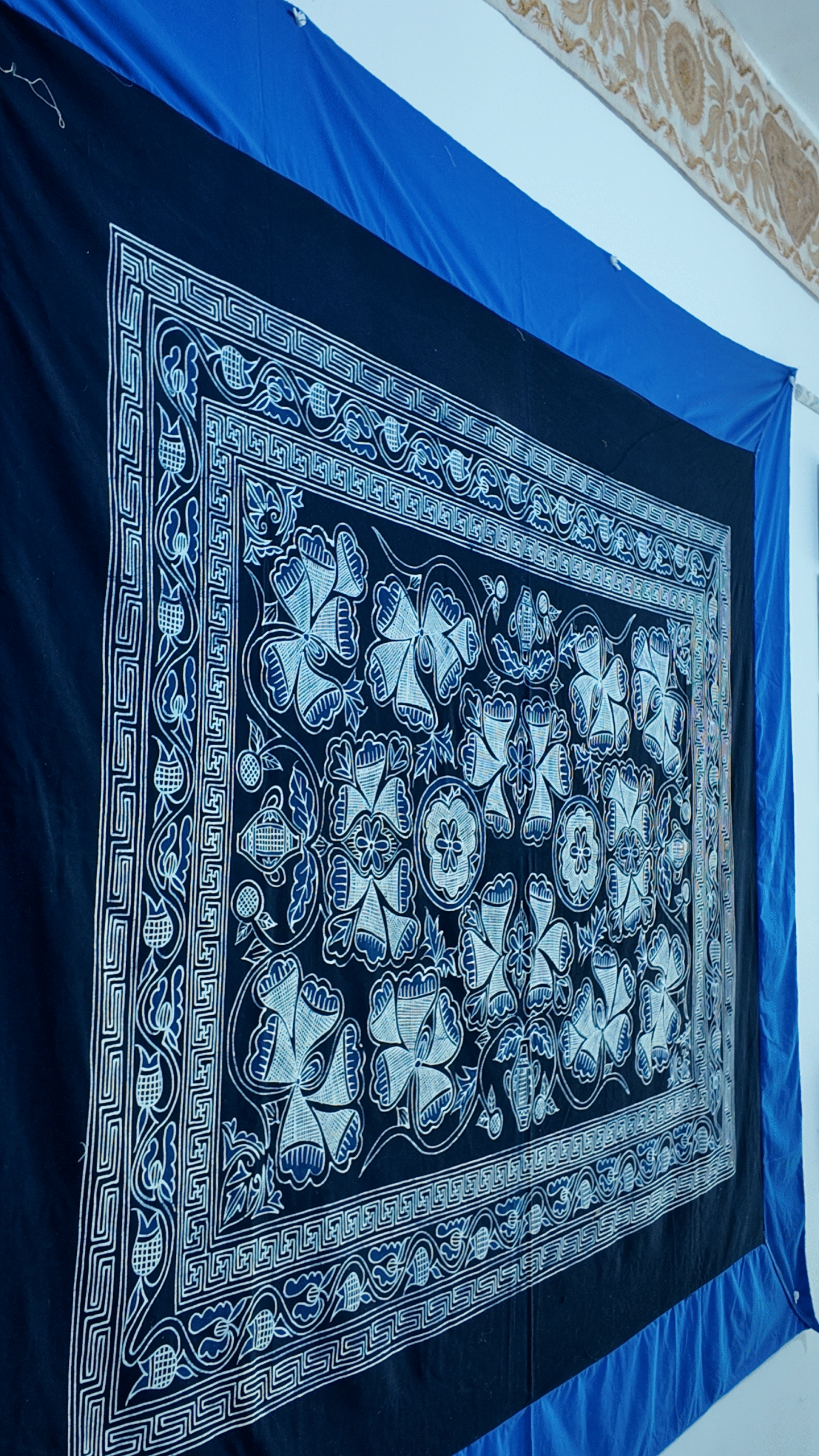
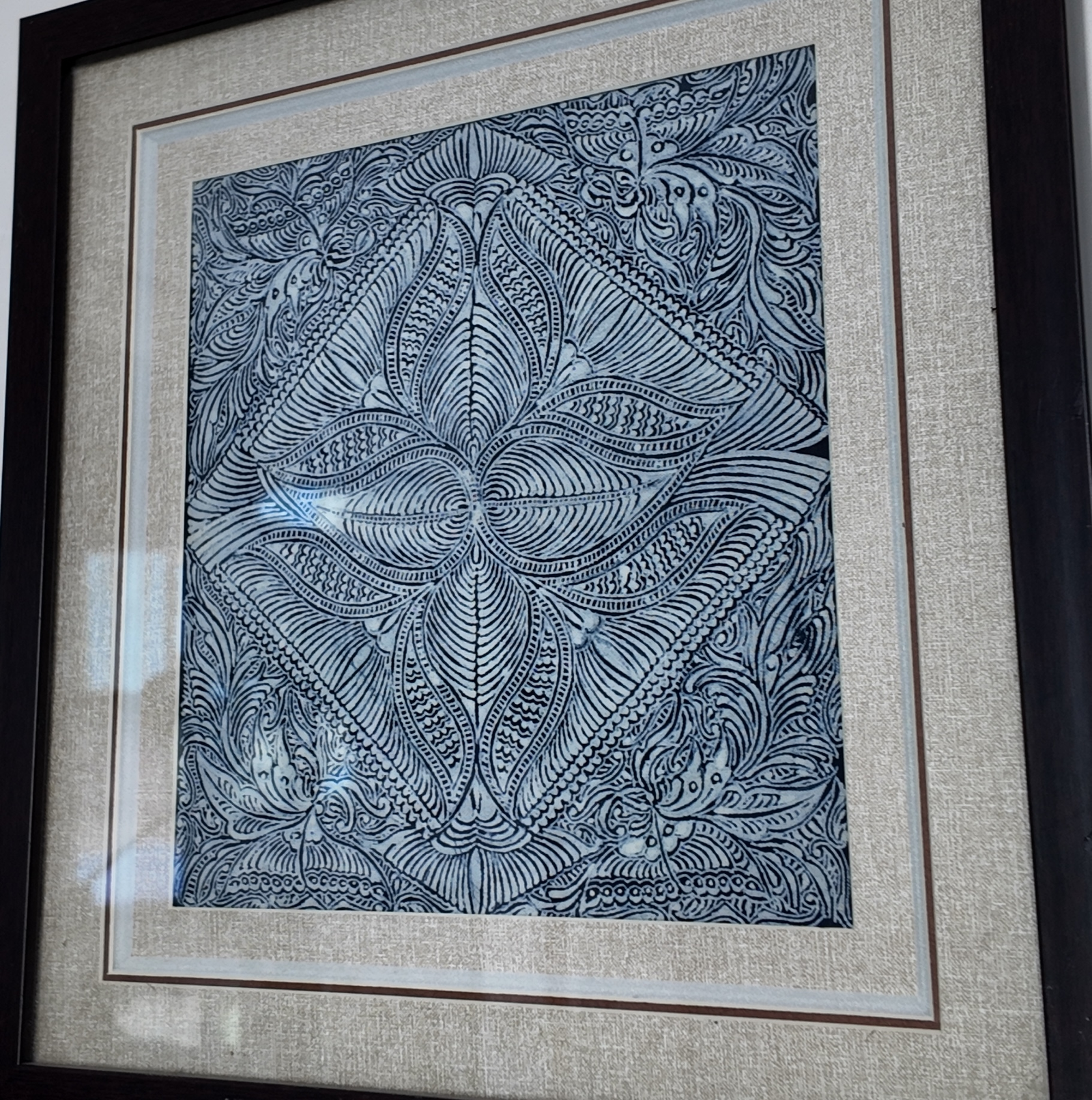
This pattern symbolizes dog’s teeth as first evident in a traditional Bouyei folklore, where a dog sacrificed its own flesh to save a whole Bouyei village in now Huishui, Guizhou from a sudden starvation and disease crisis from a lack of harvest of crops and unexplained viruses.
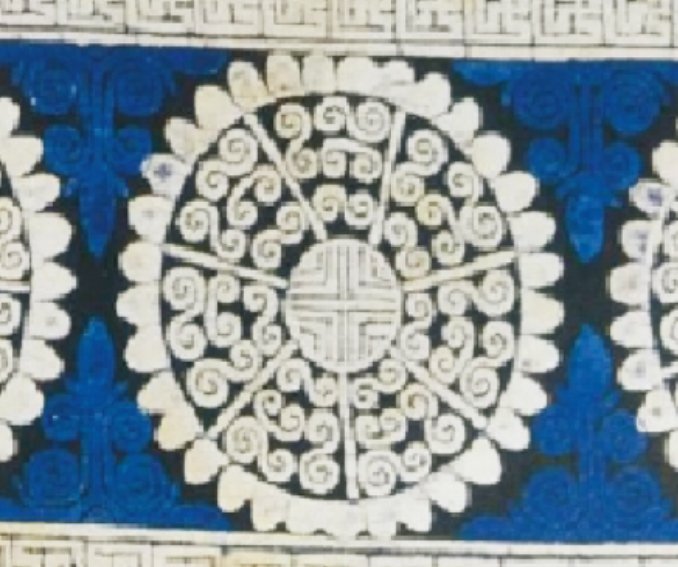
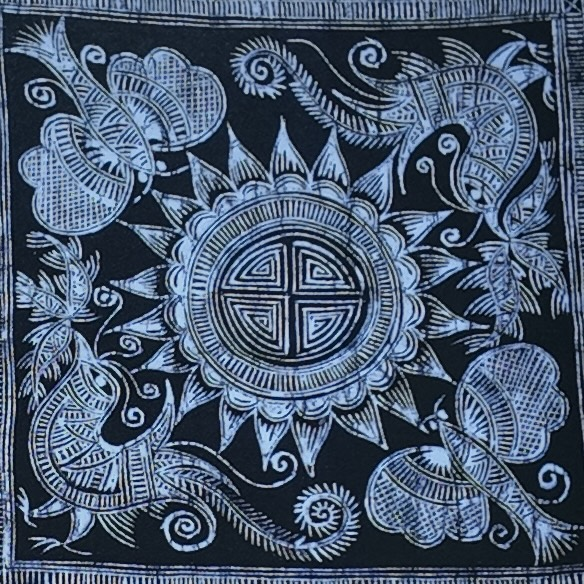
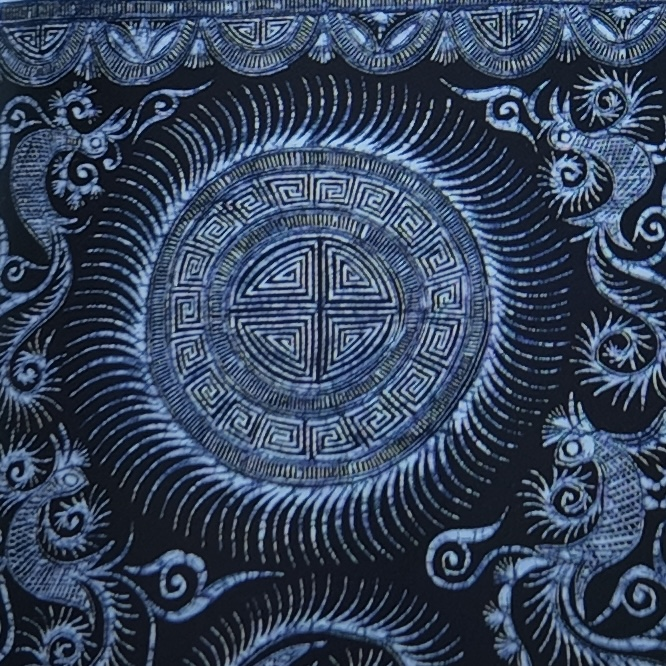
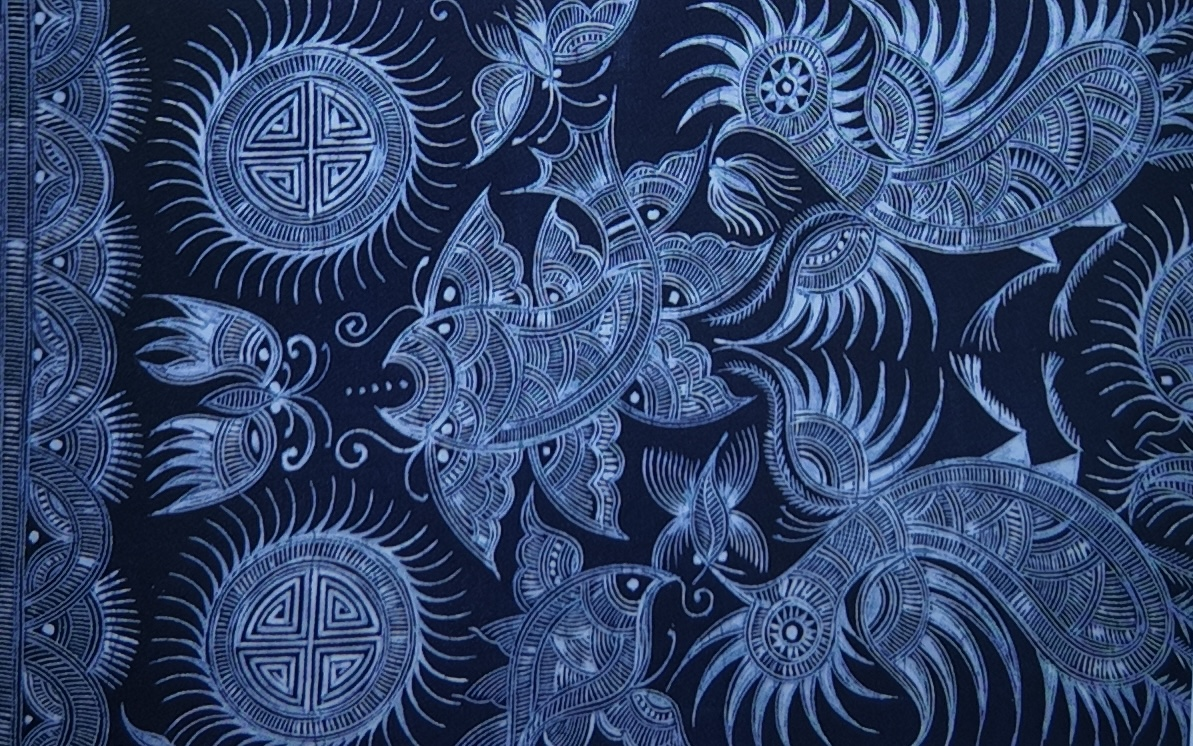
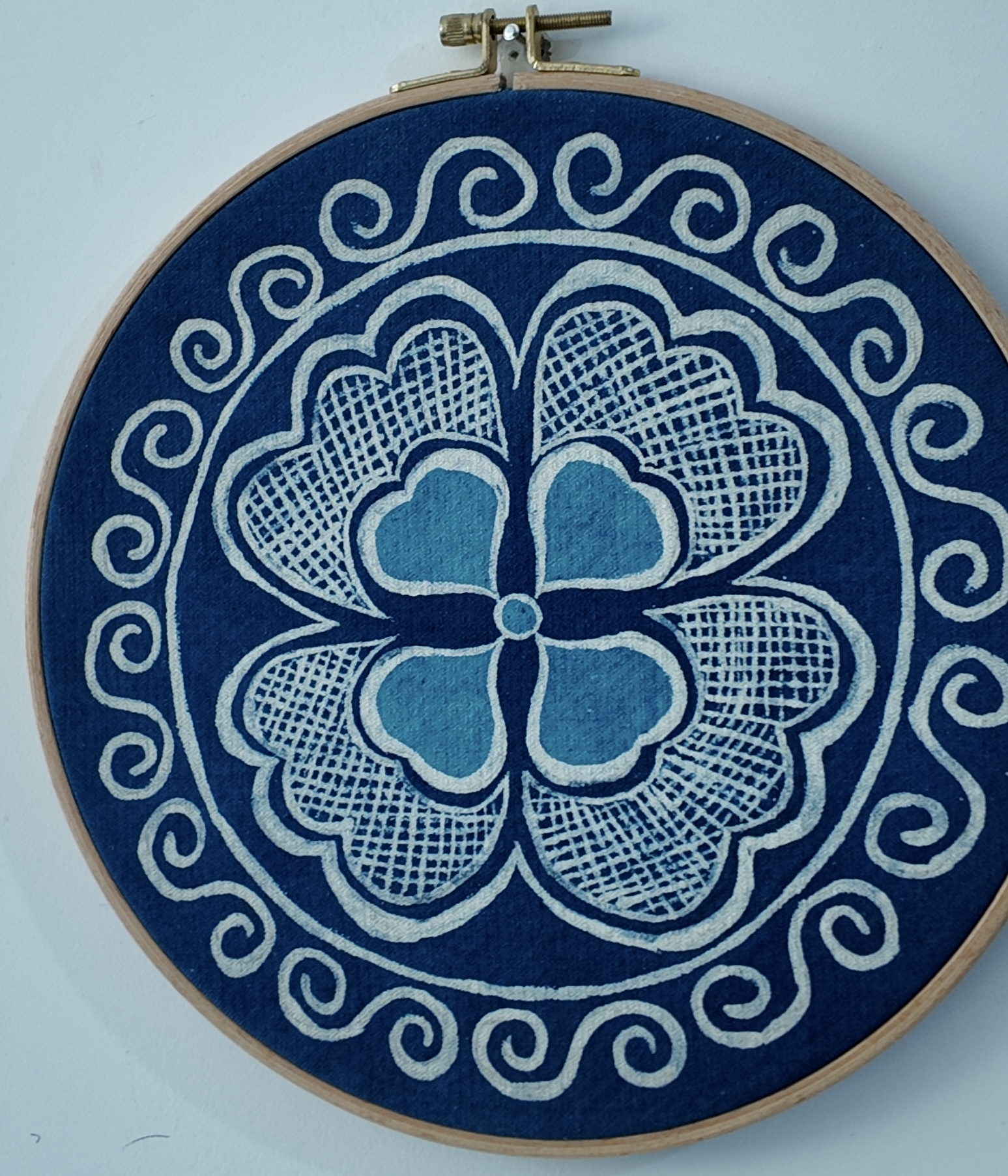
The Gong: Health and Longevity
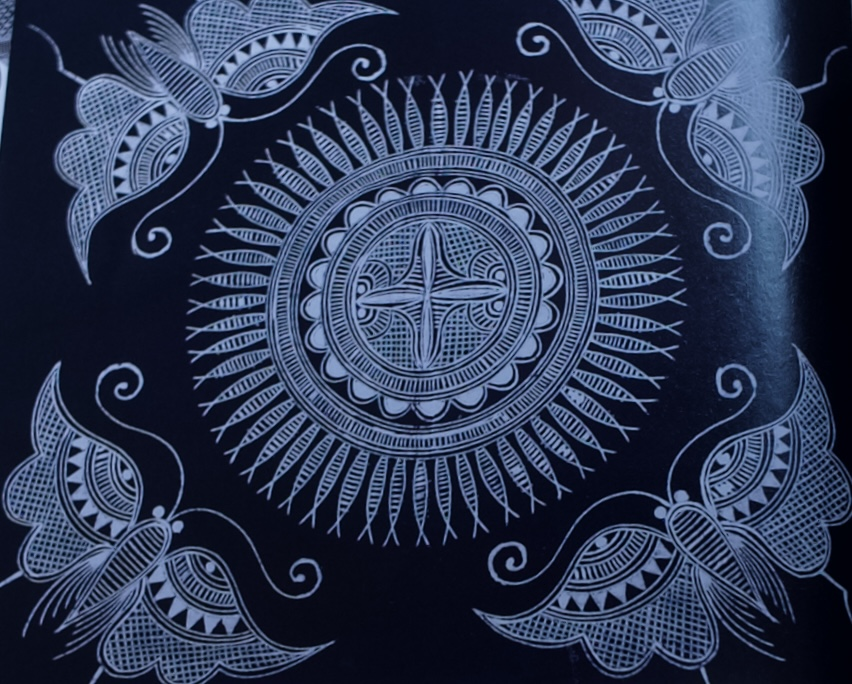
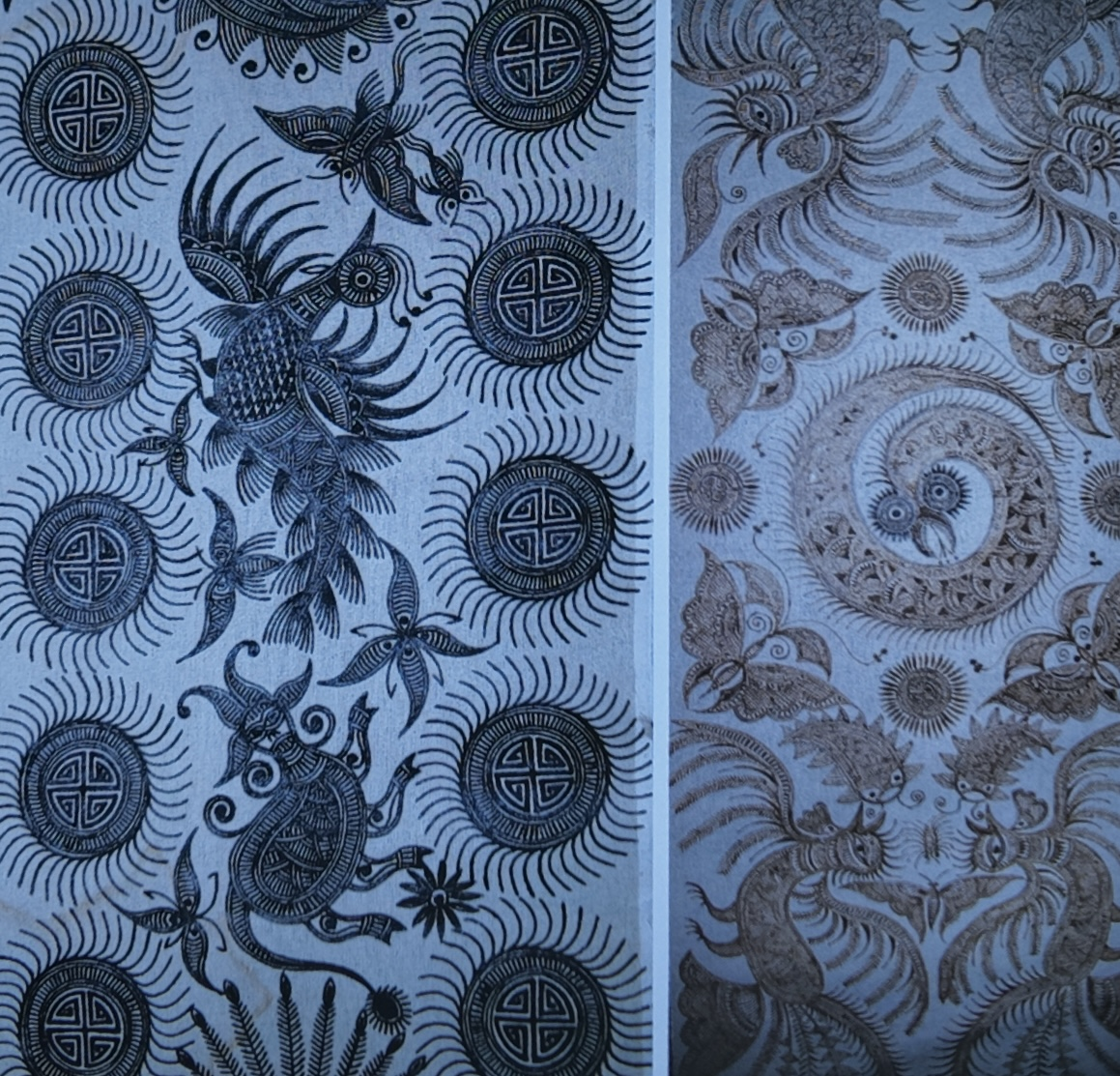
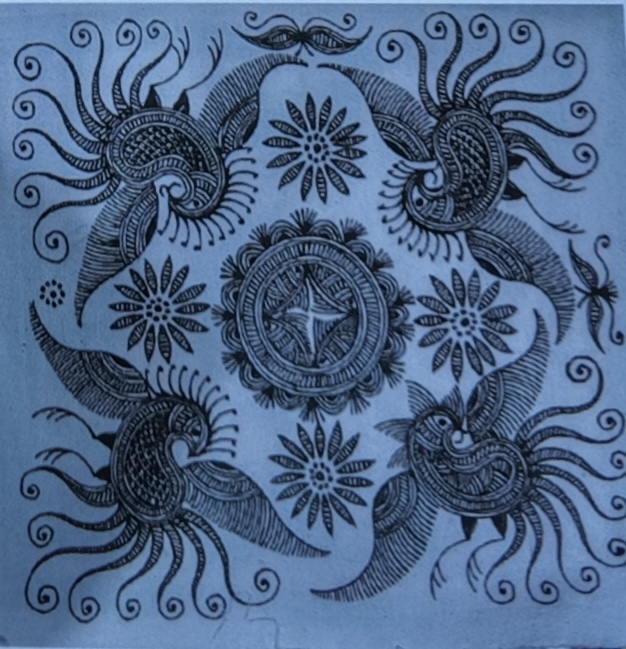
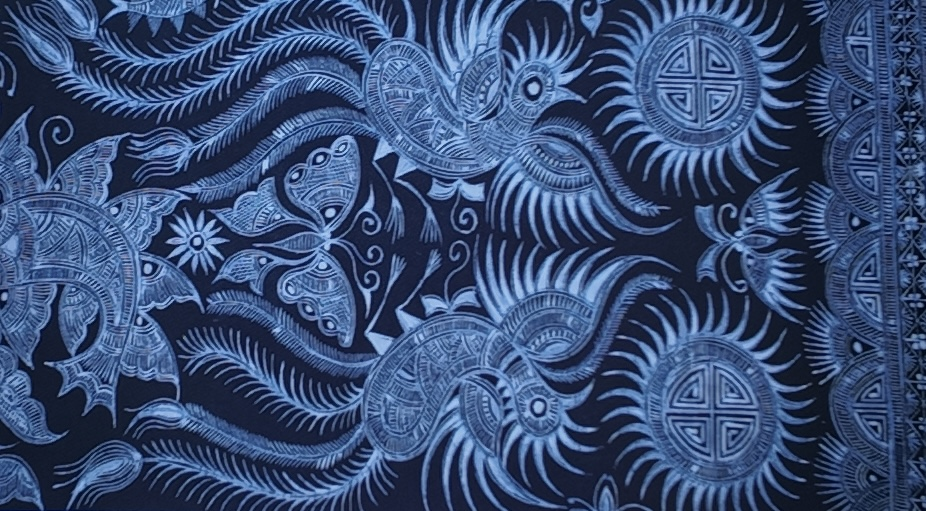
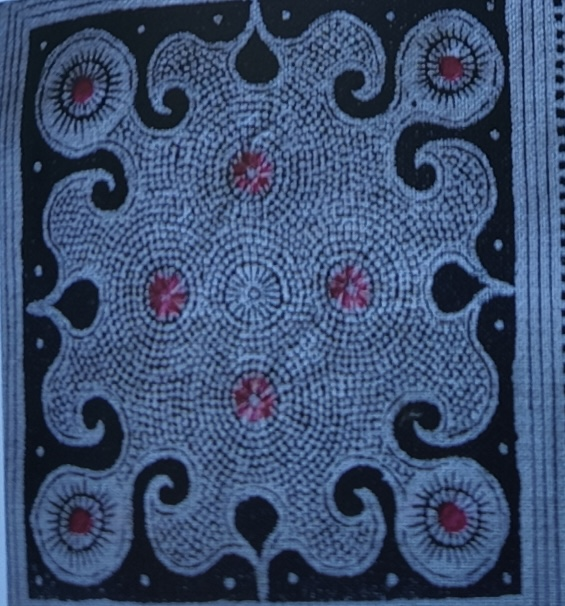
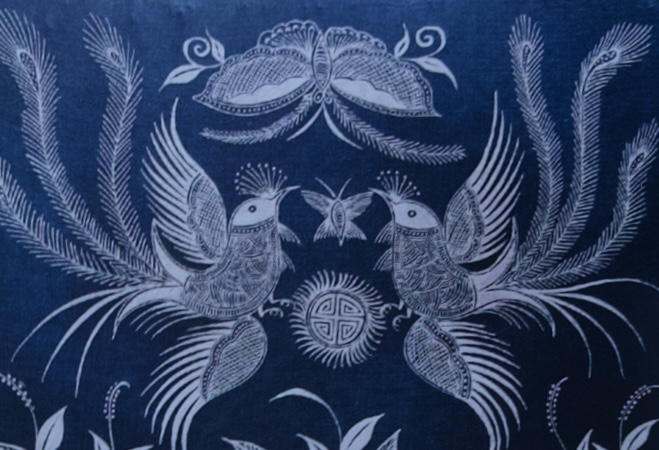
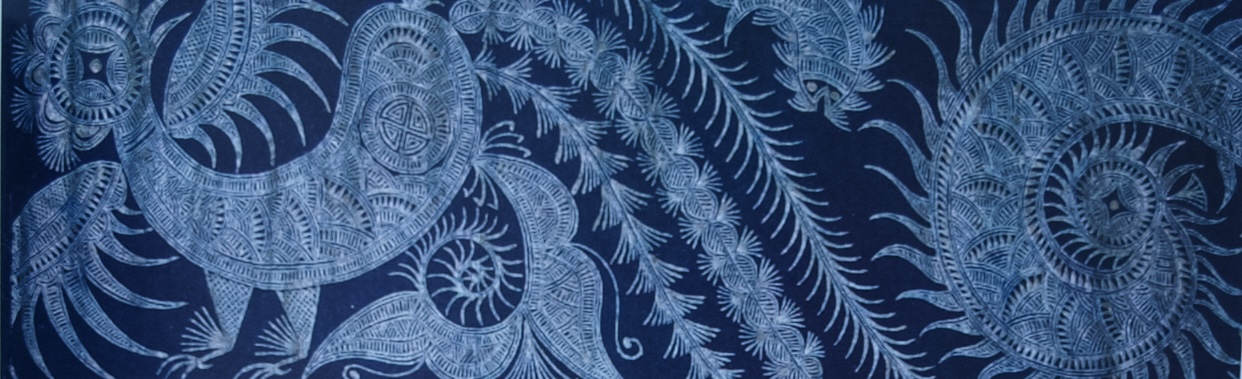
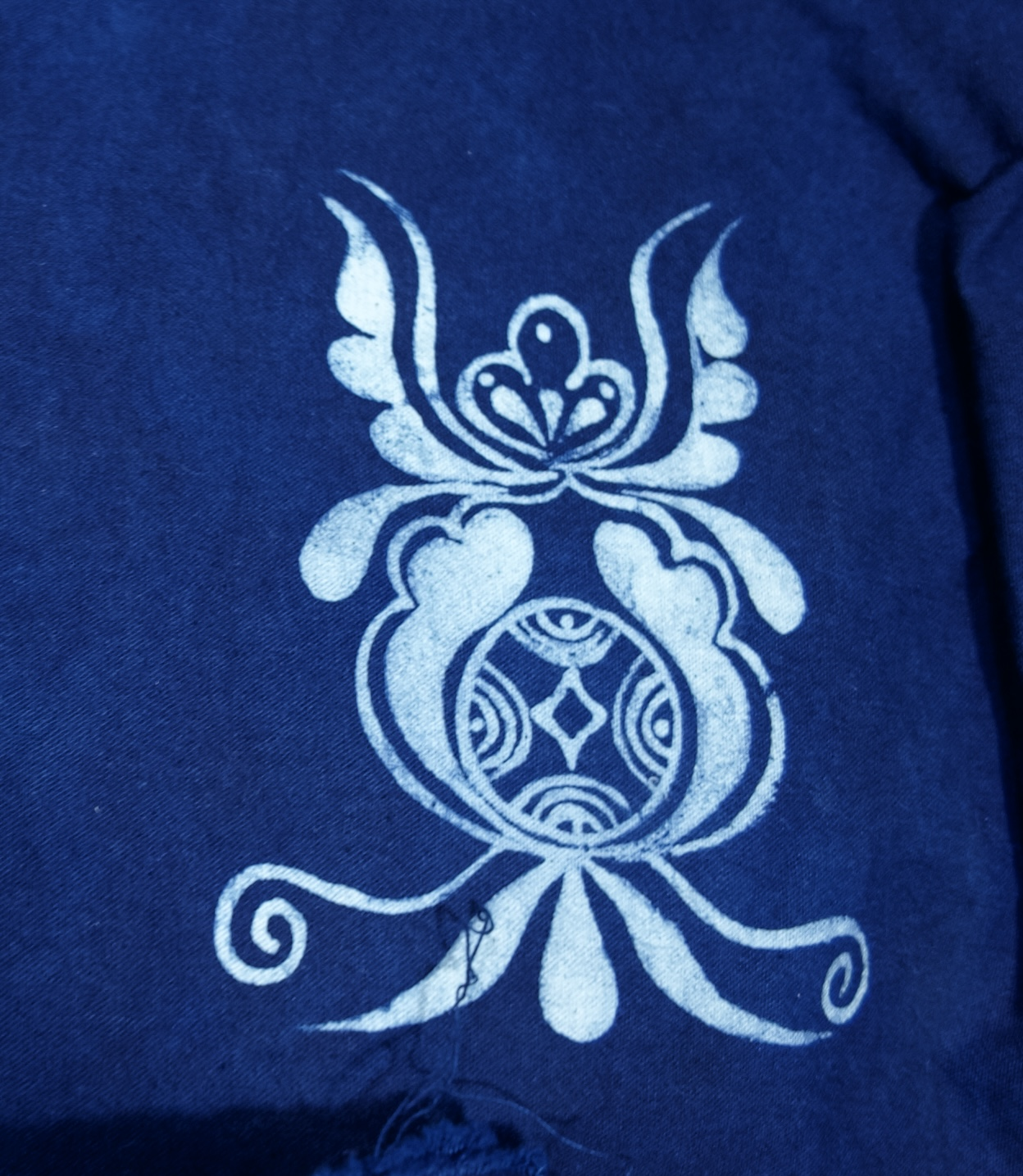
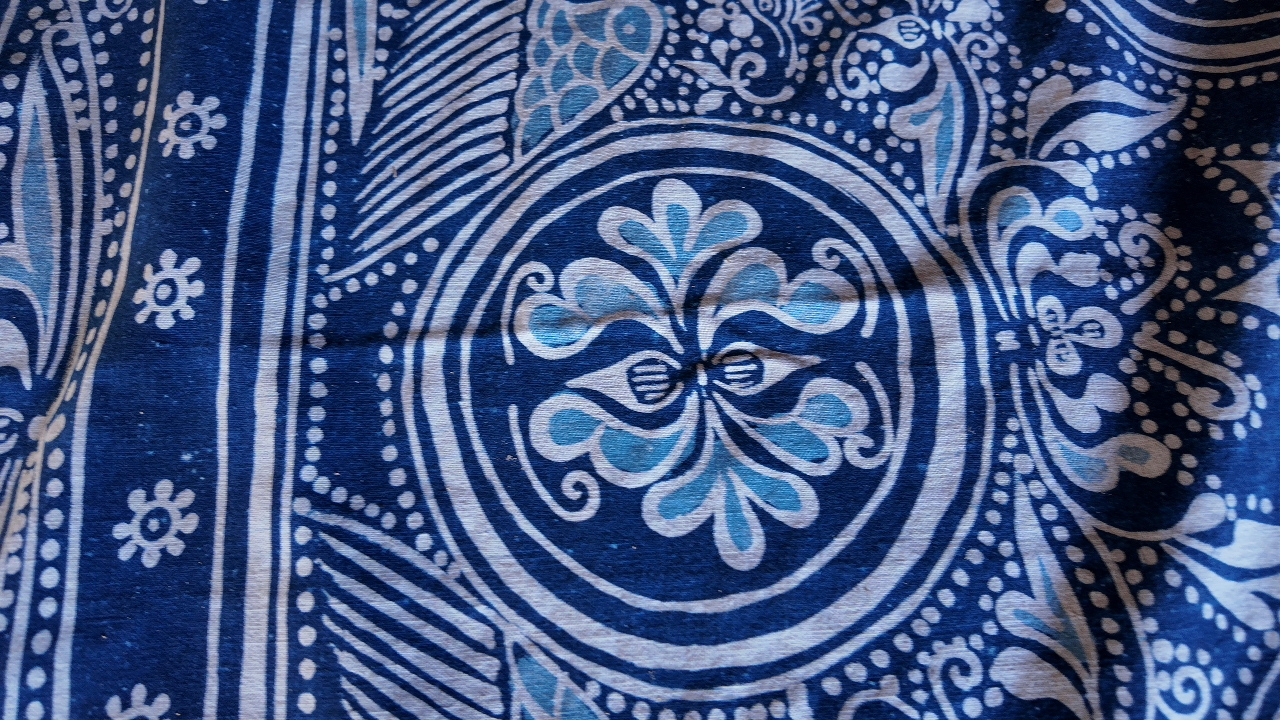
This shape symbolizes the sun, and praises it as a form of nourishment and a precious resource that keeps people healthy.

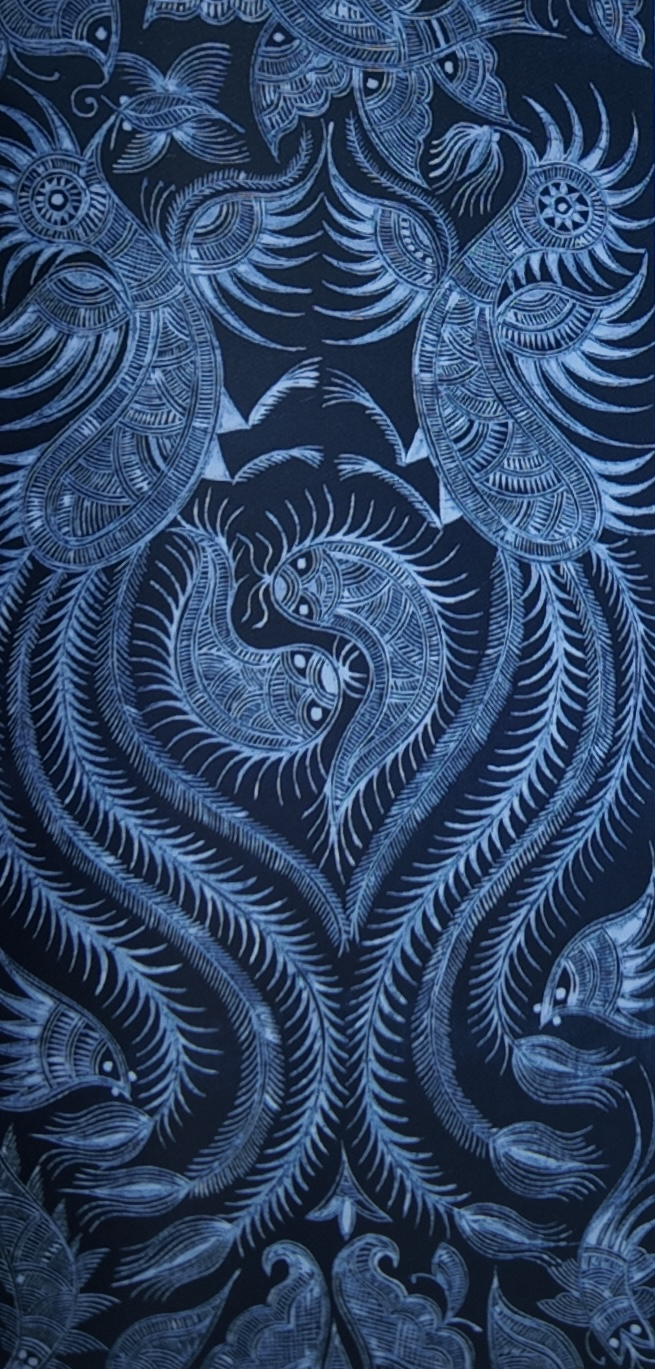
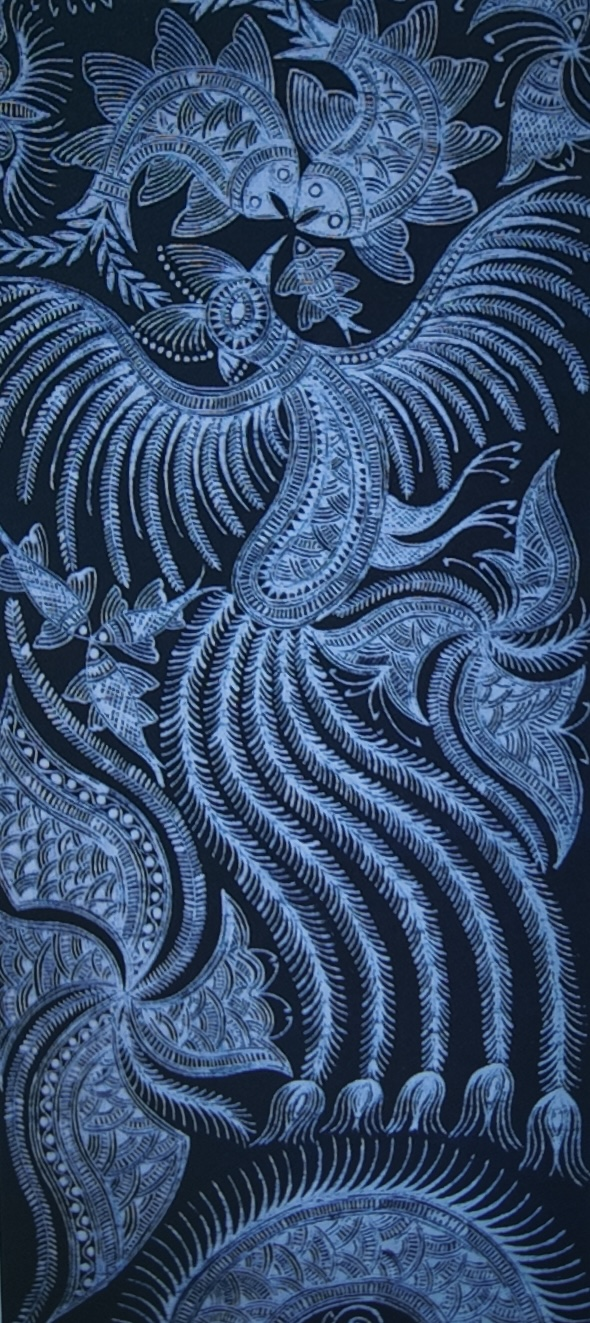
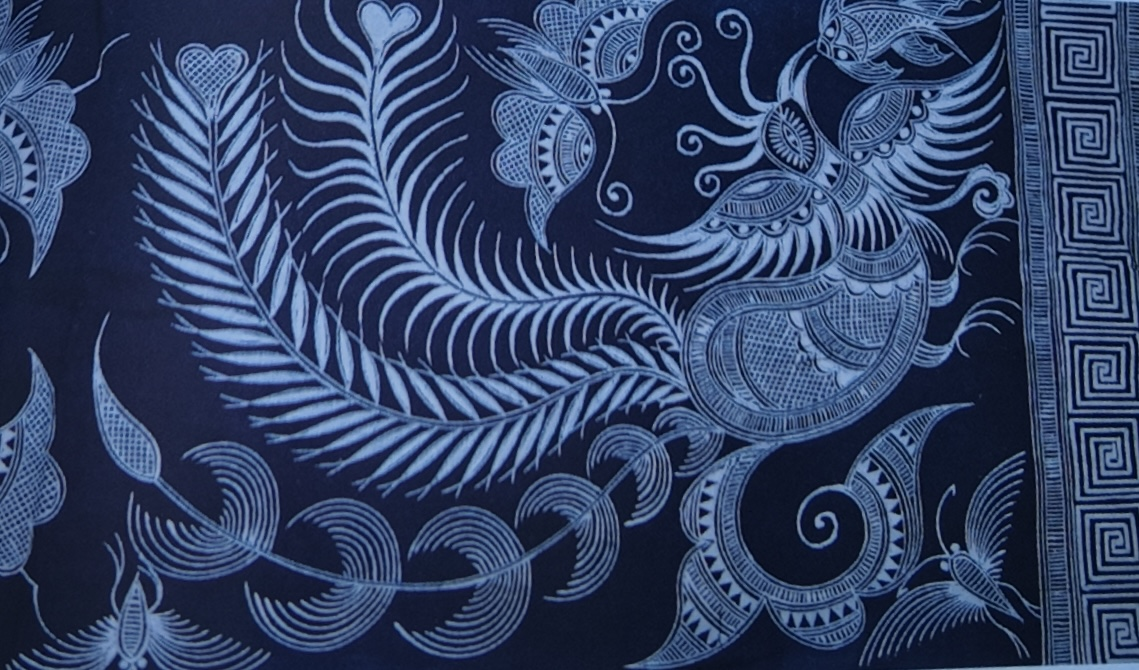
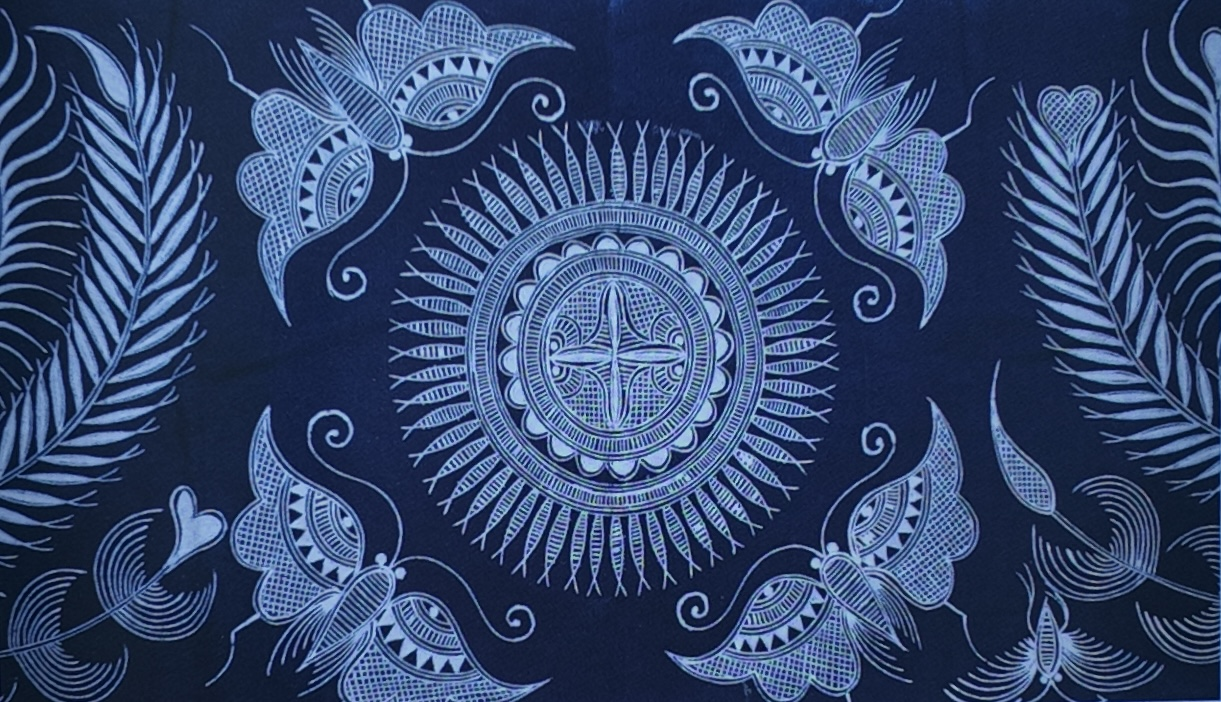
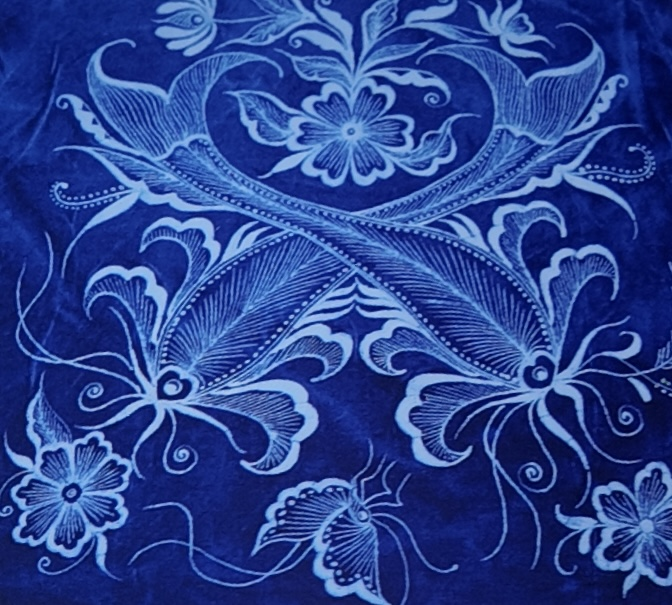
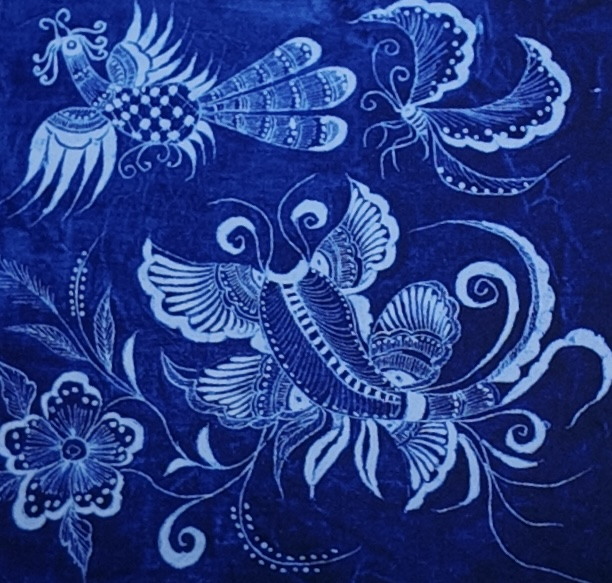
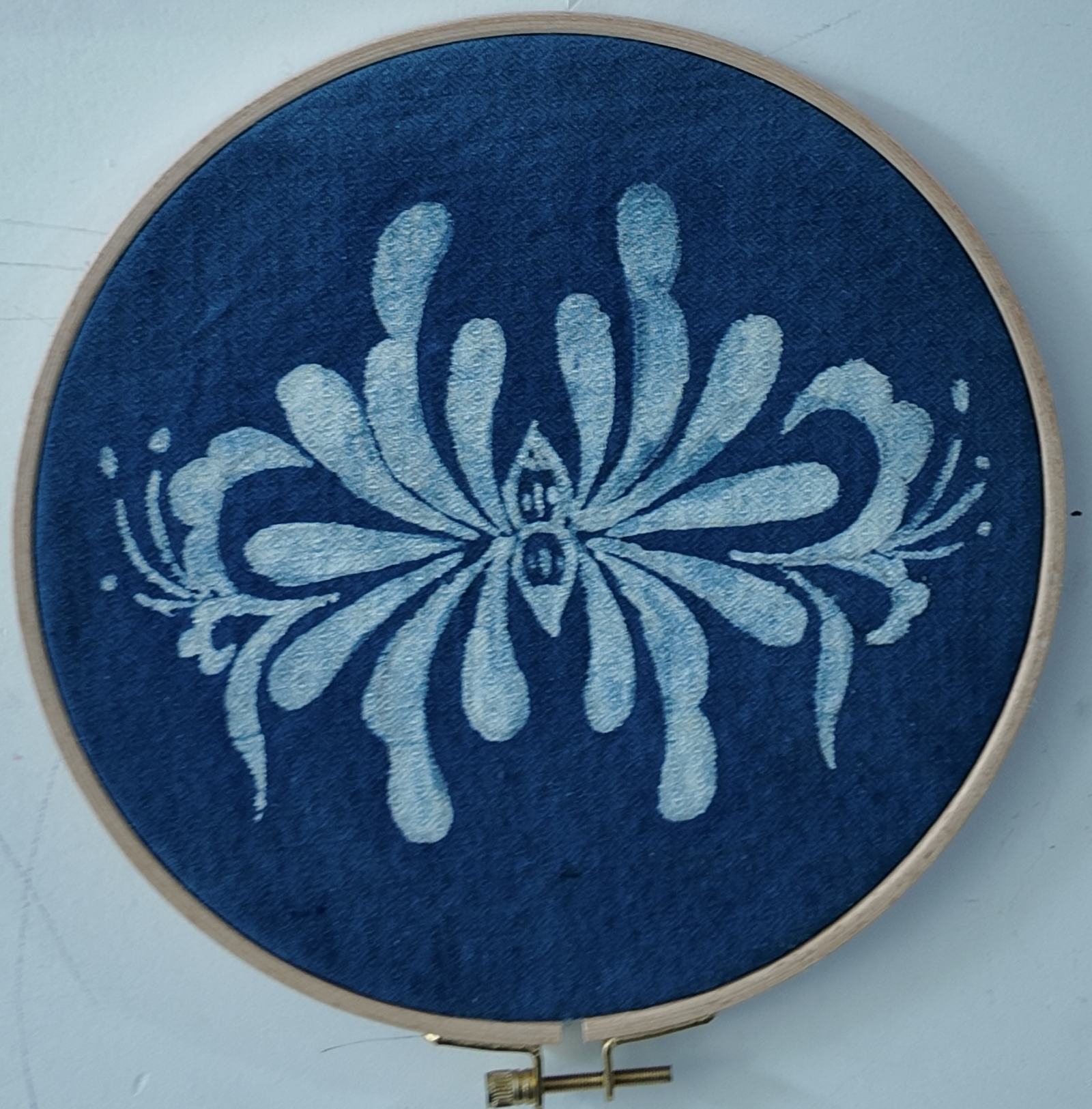
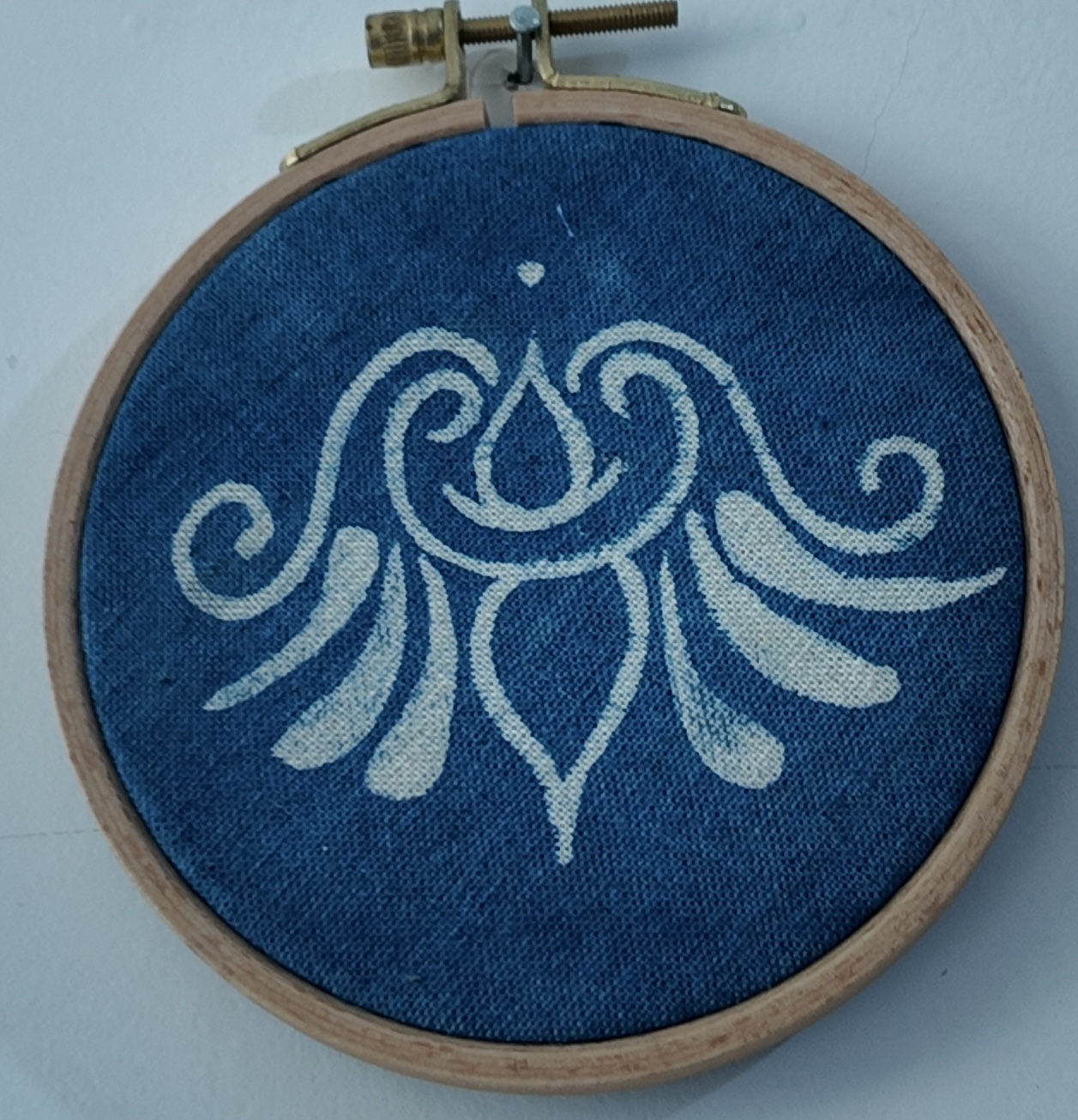
The Moth/ butterfly/bees/birds: Love
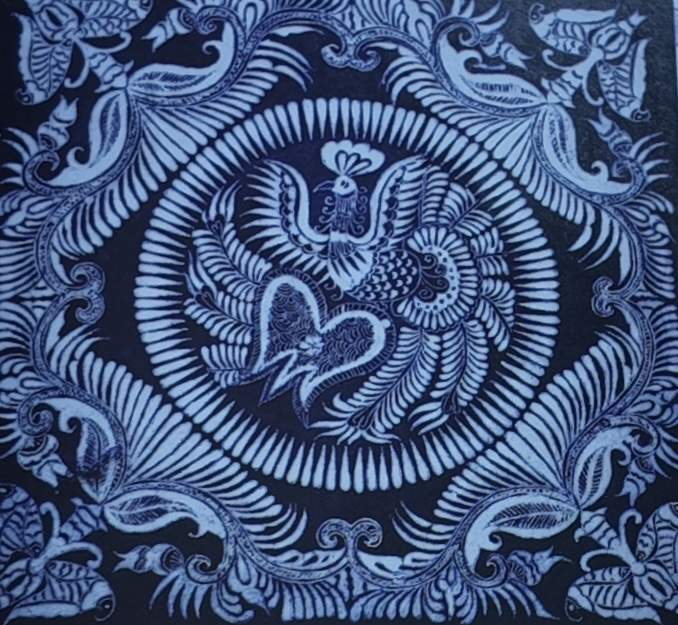
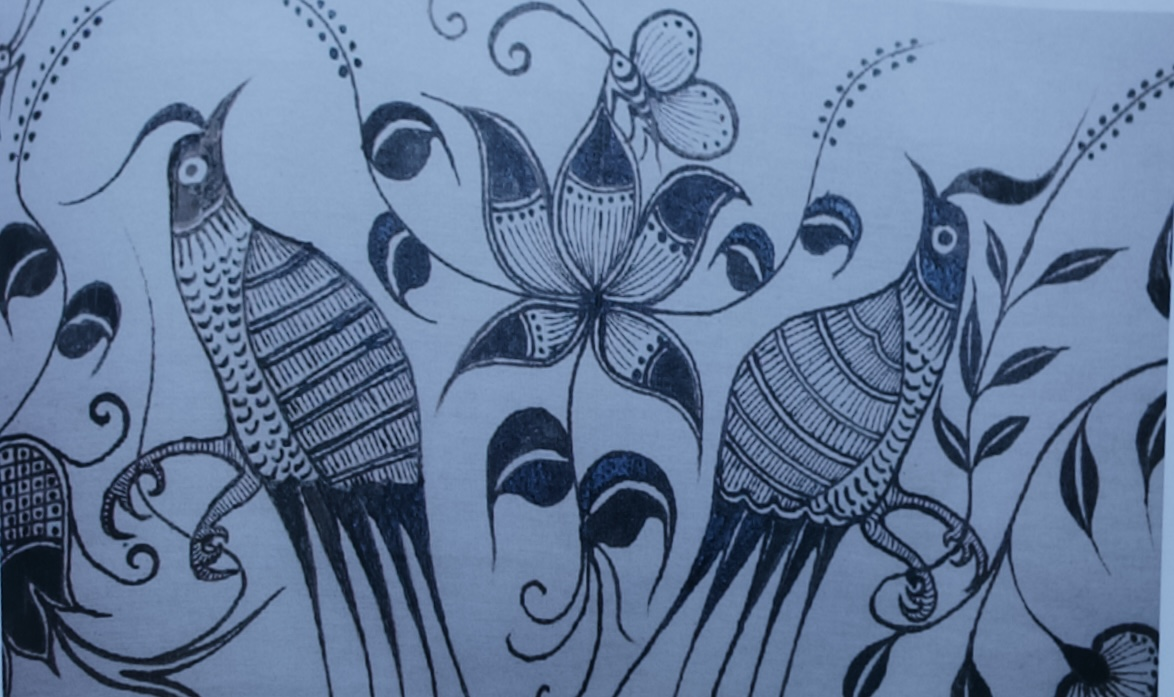
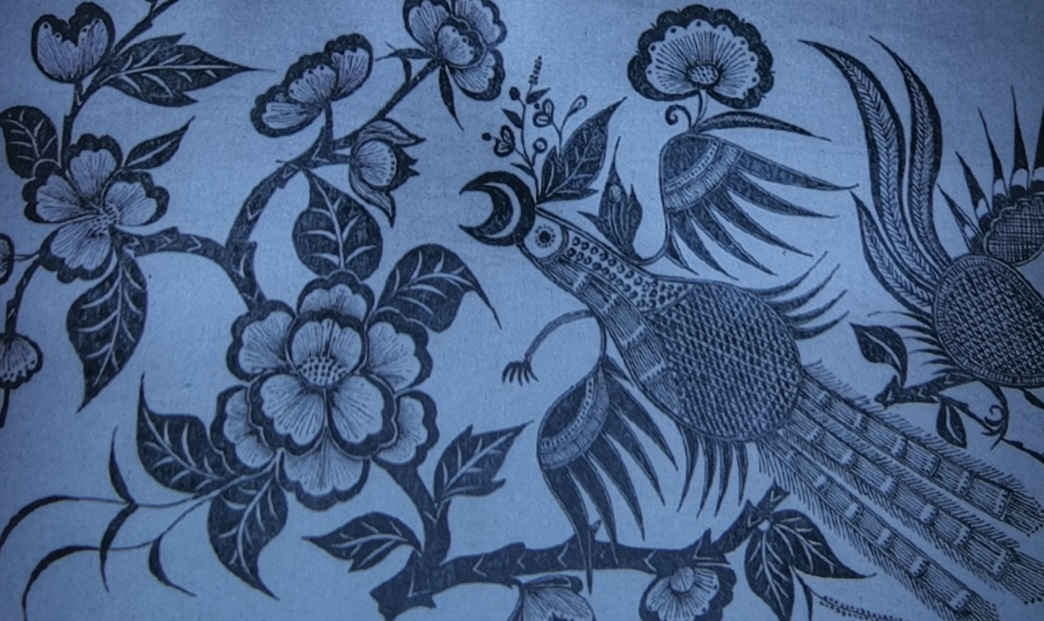
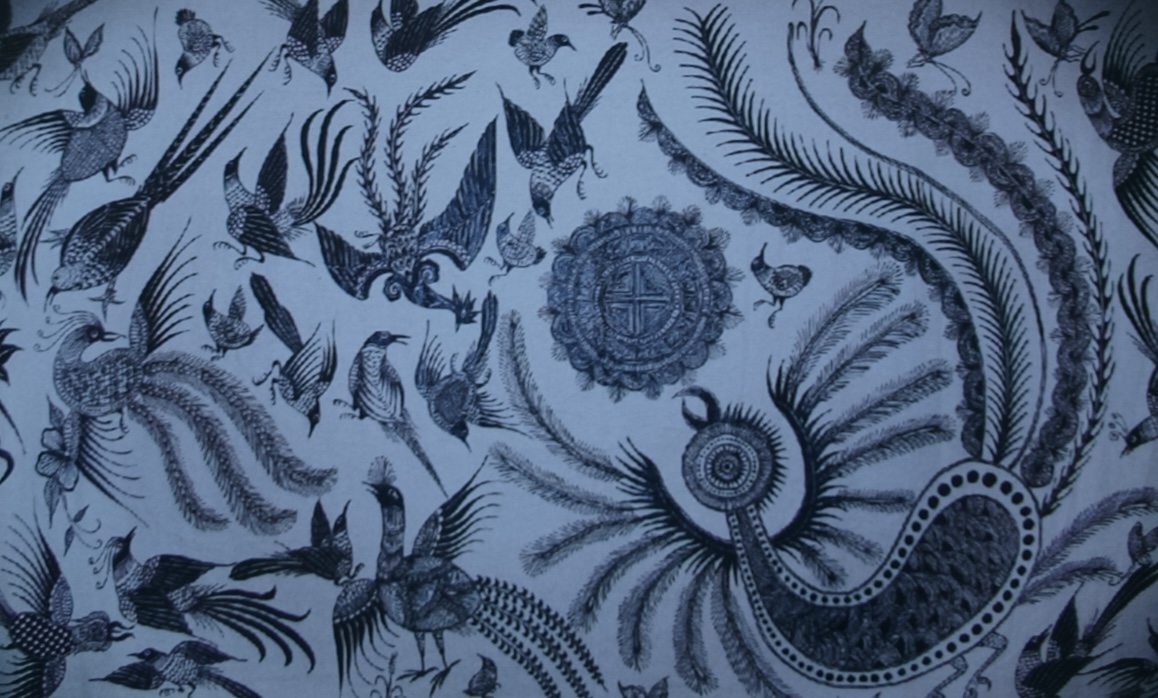
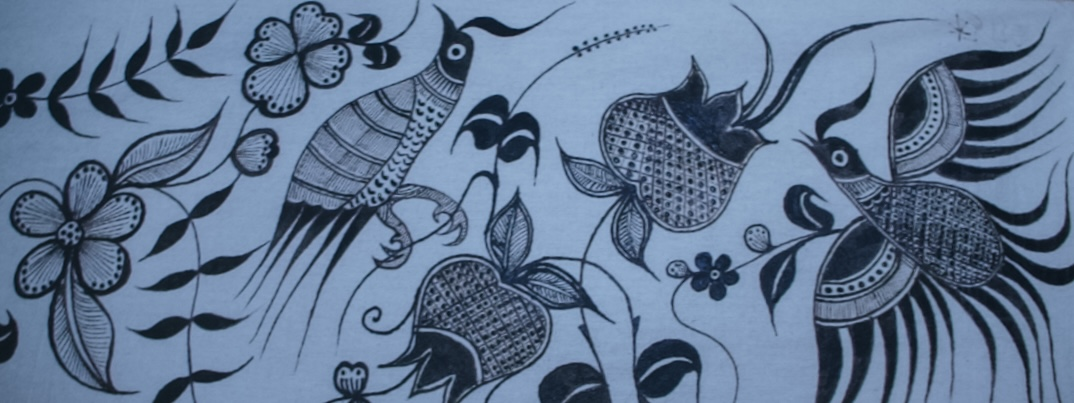
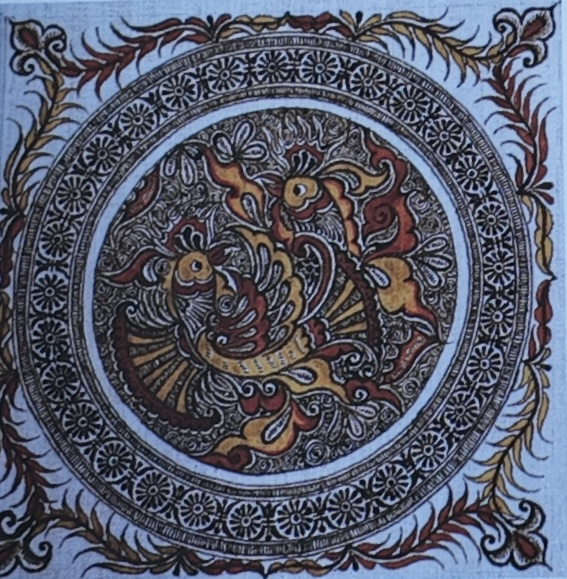
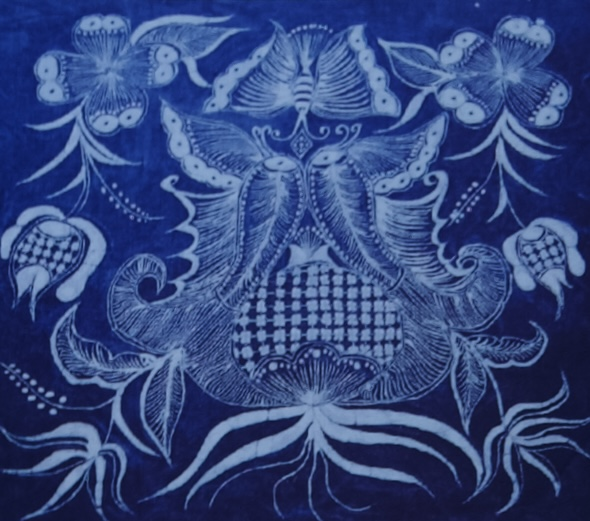
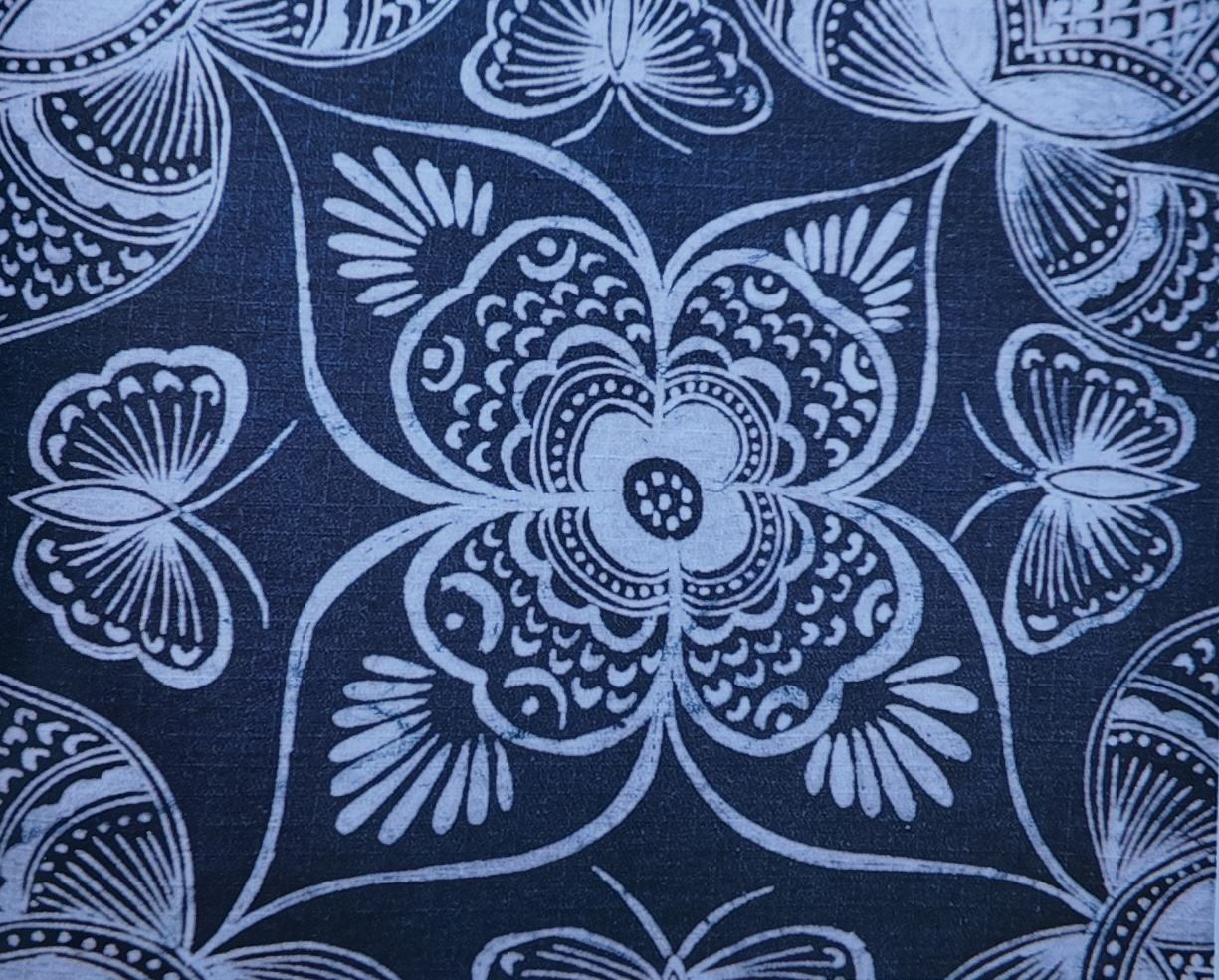
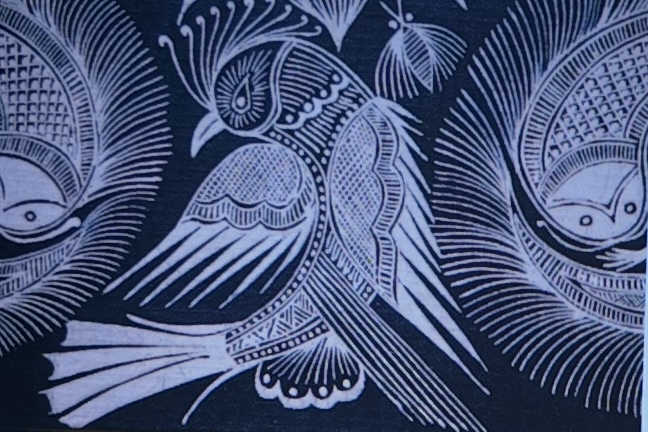
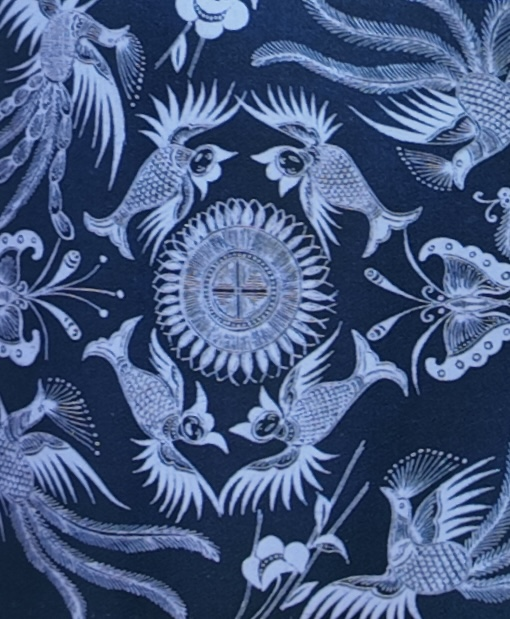
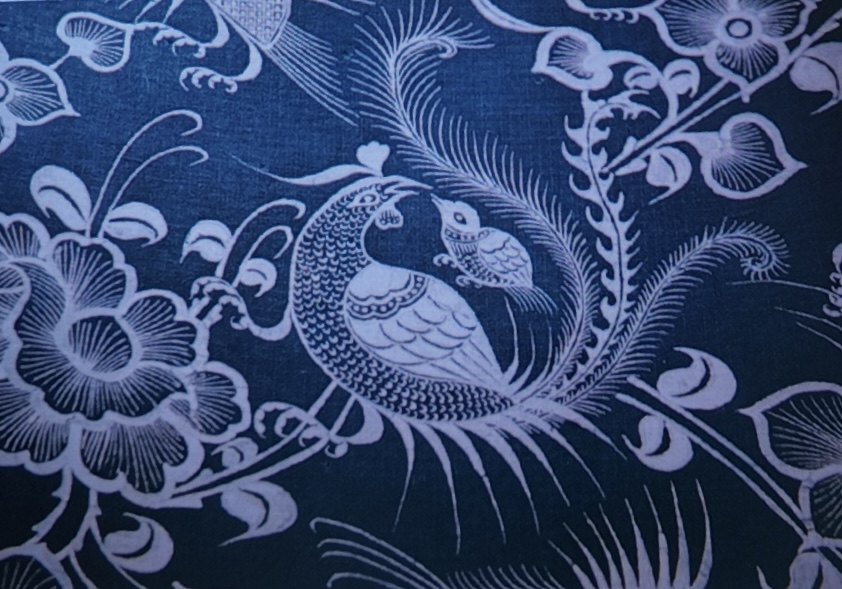
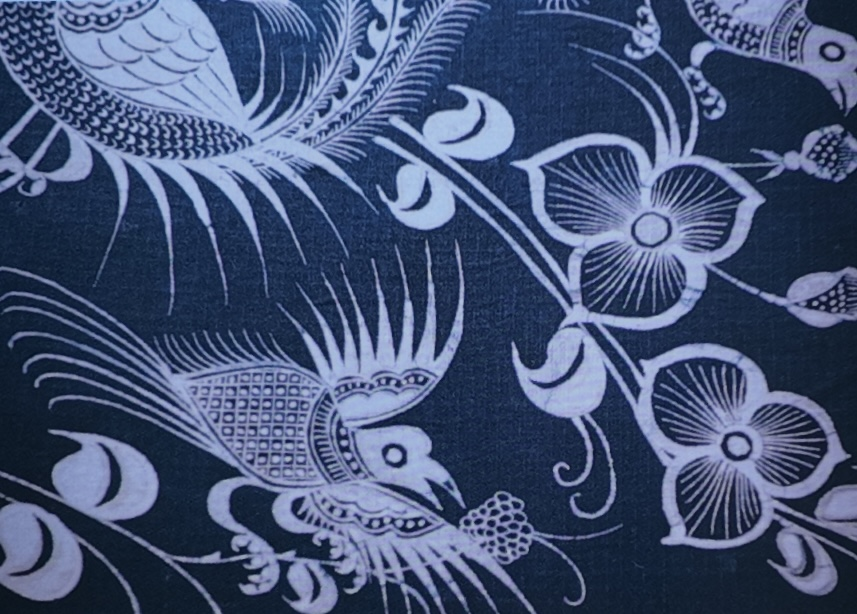
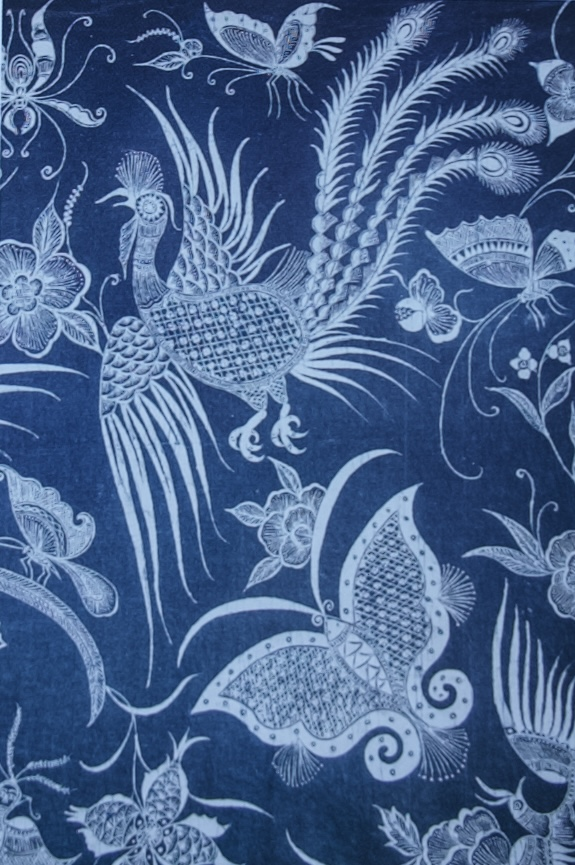
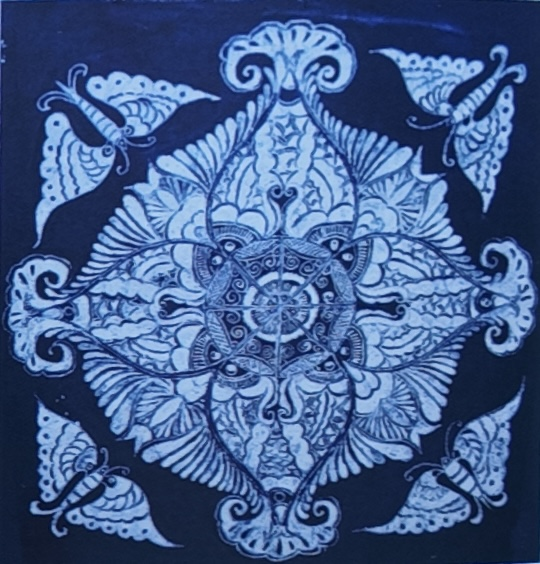
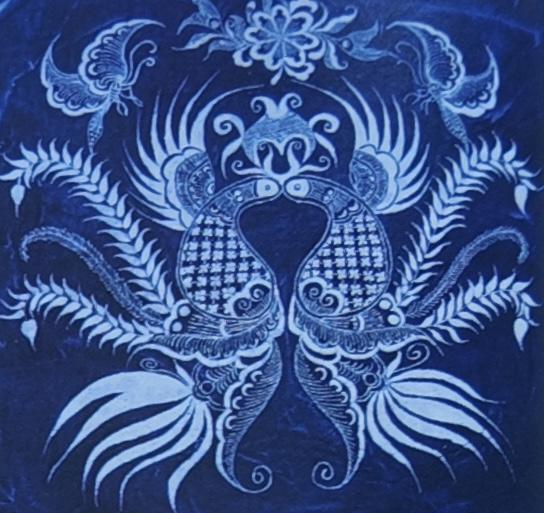
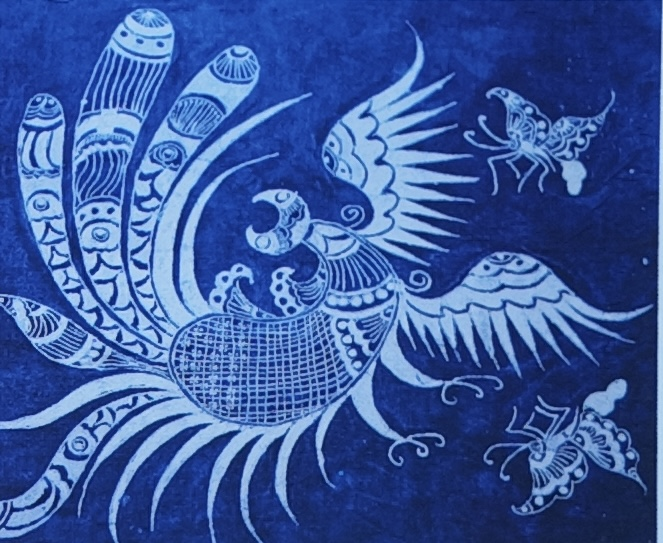
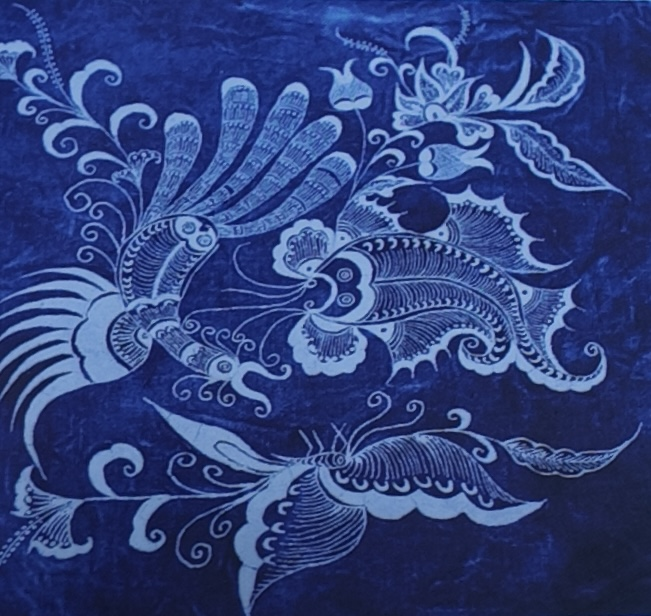
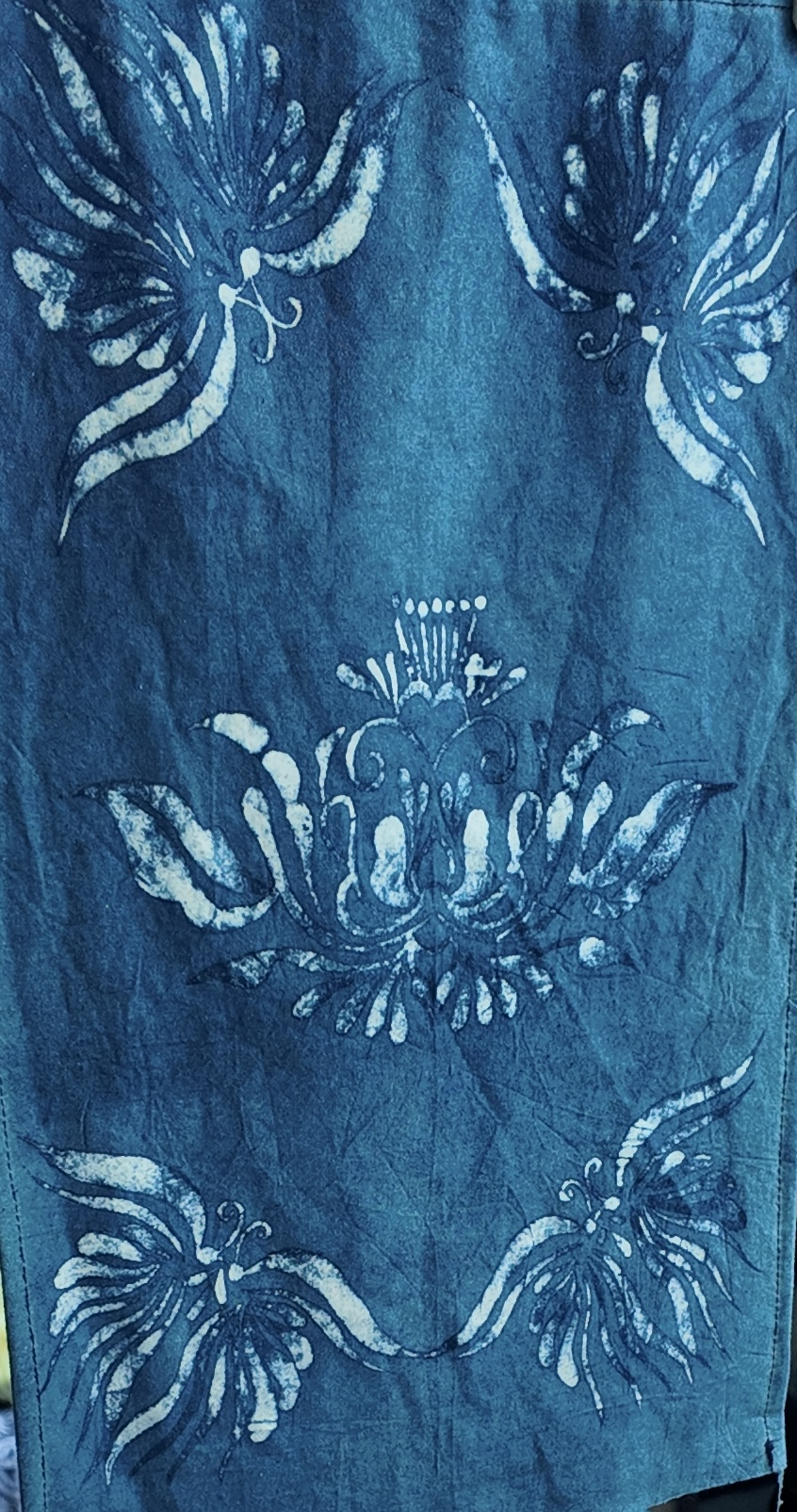
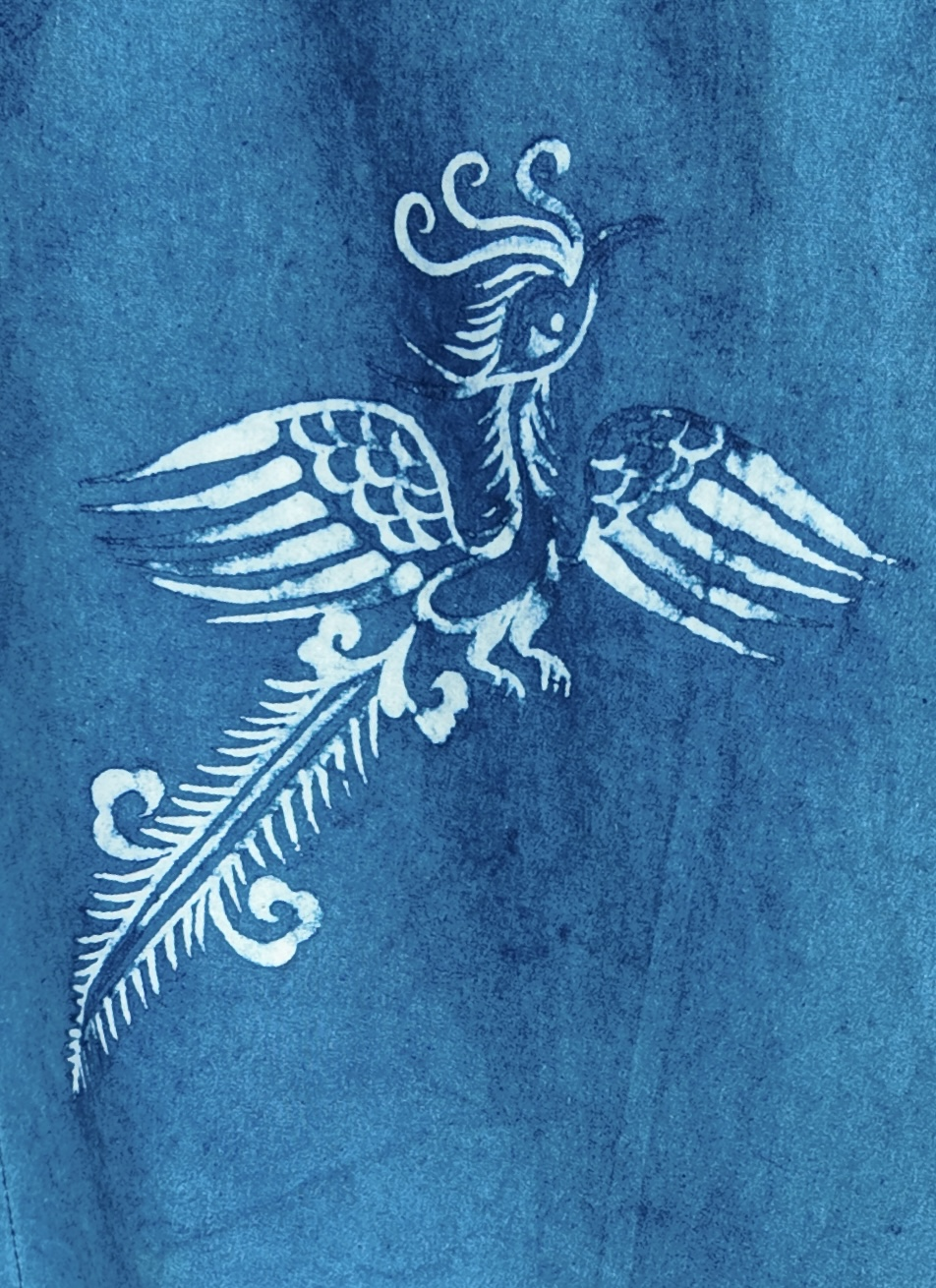
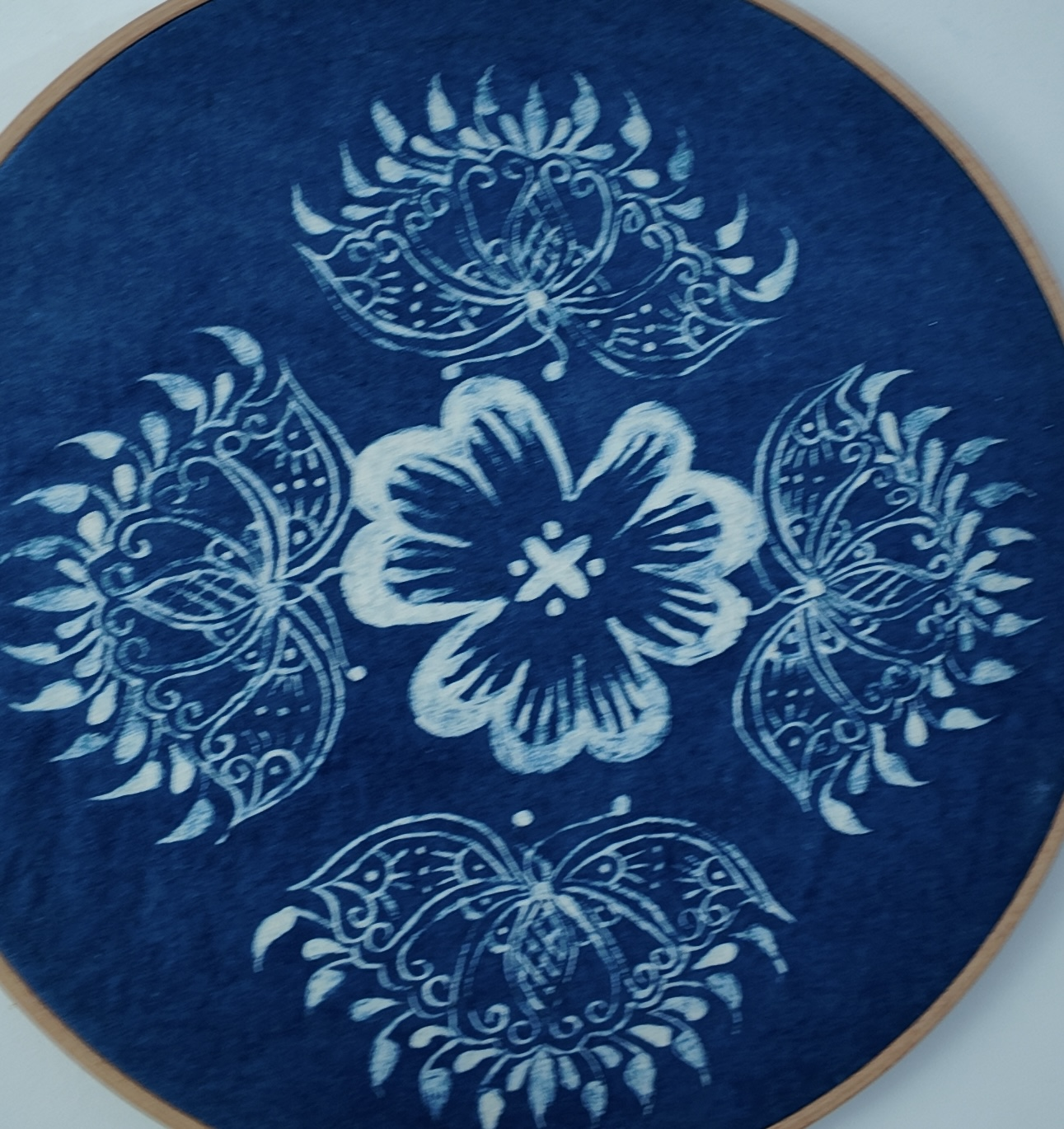
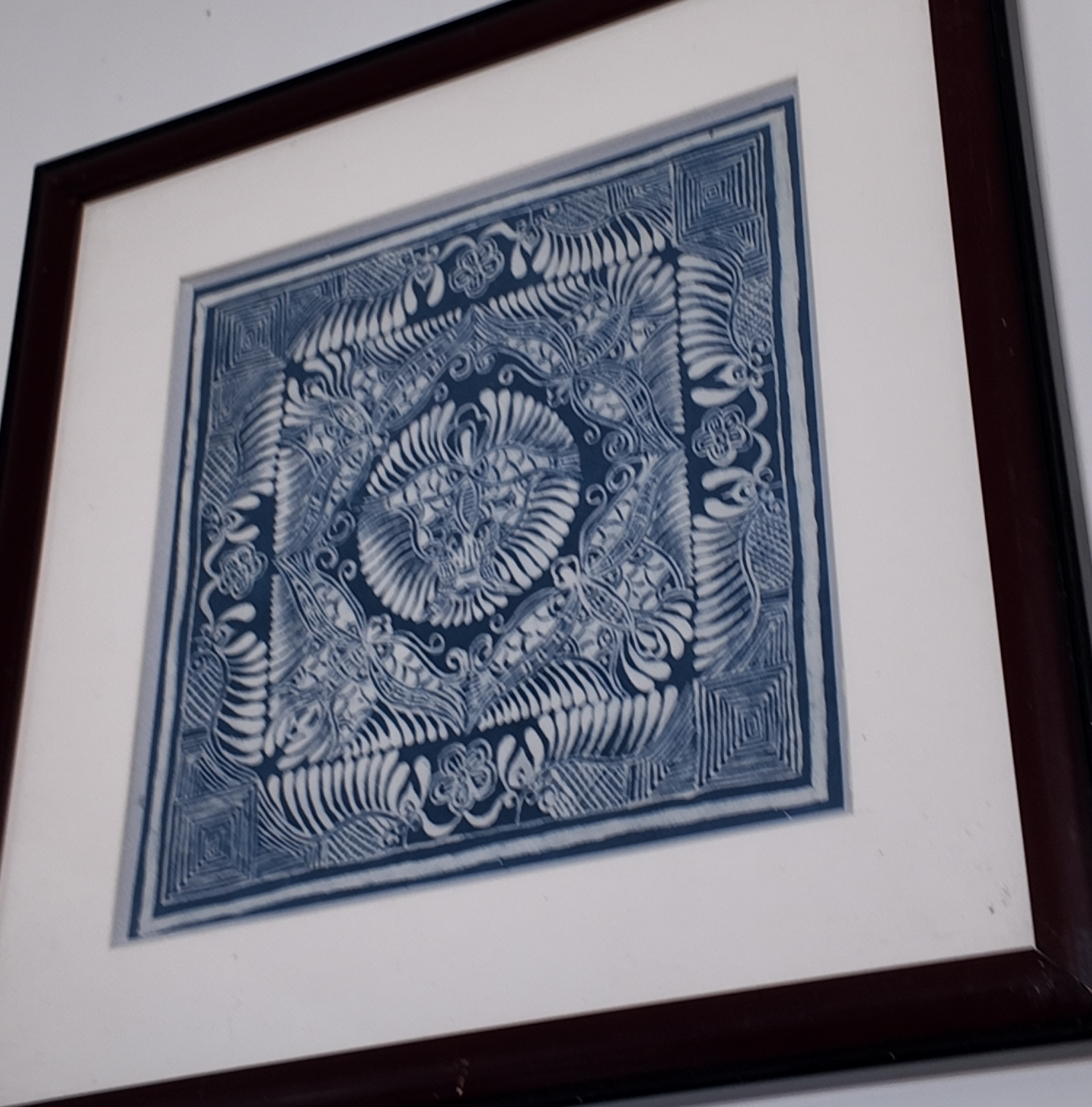
Creatures with wings (except for phoenix) are usually a symbol of love or being “dazzled in love”. Birds and butterflies/moths are always correlated to love due to its prevalence in love songs of Pán songs. In the Pán song, Love song 4, a girl is singing to her “lover boy” in a feminine perspective, the girl sings “if you are far far away, I will turn into a bee, call you standing on trees, and I can change into all sorts of animals that can fly… I will turn into a swallow, flying under your roof to call your name.”

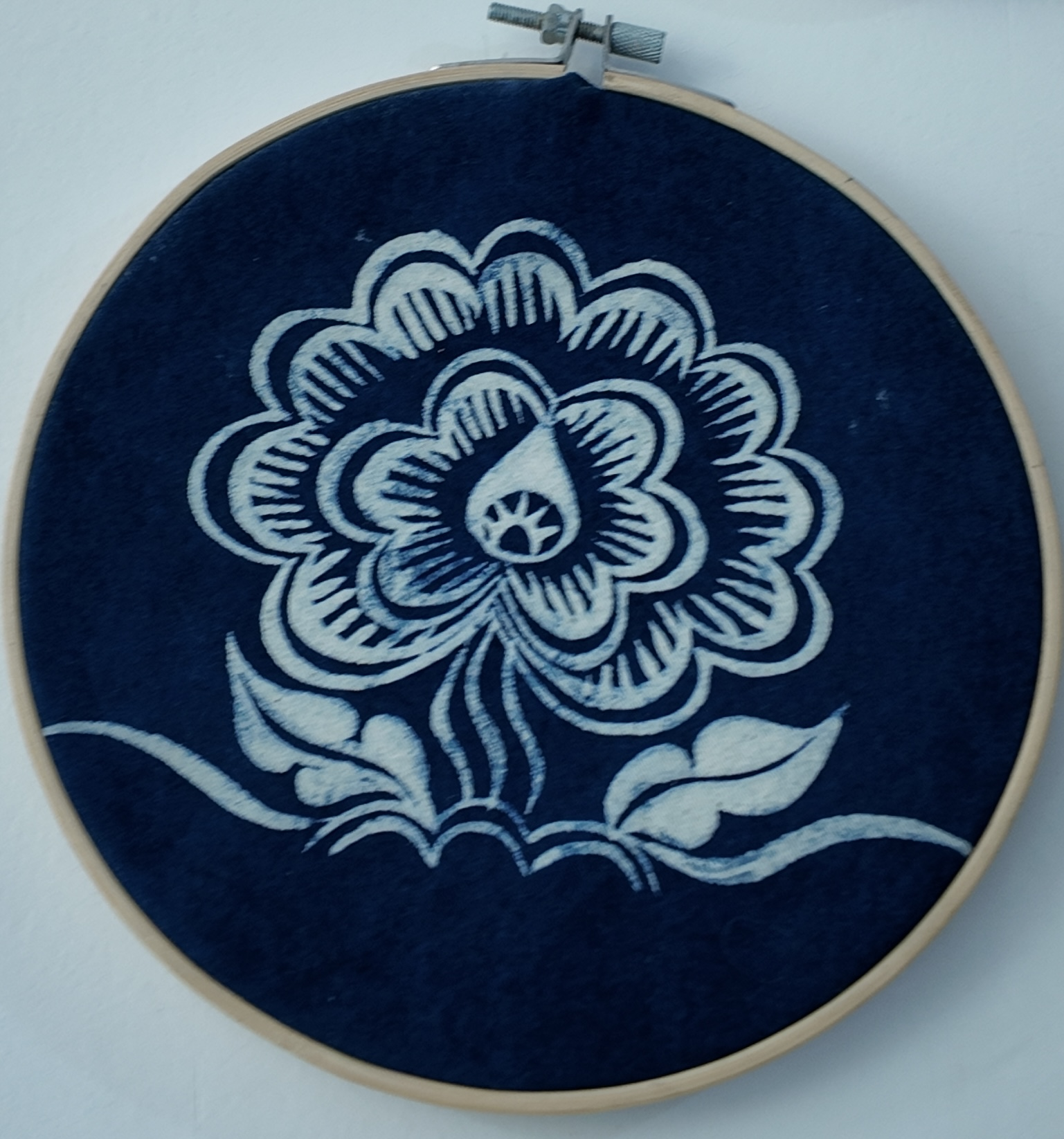
The Osmanthus Flower: Wealthiness and Happiness
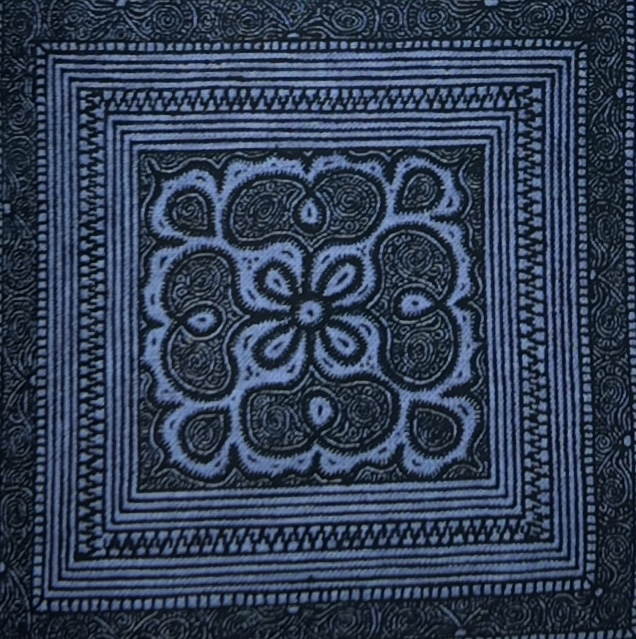
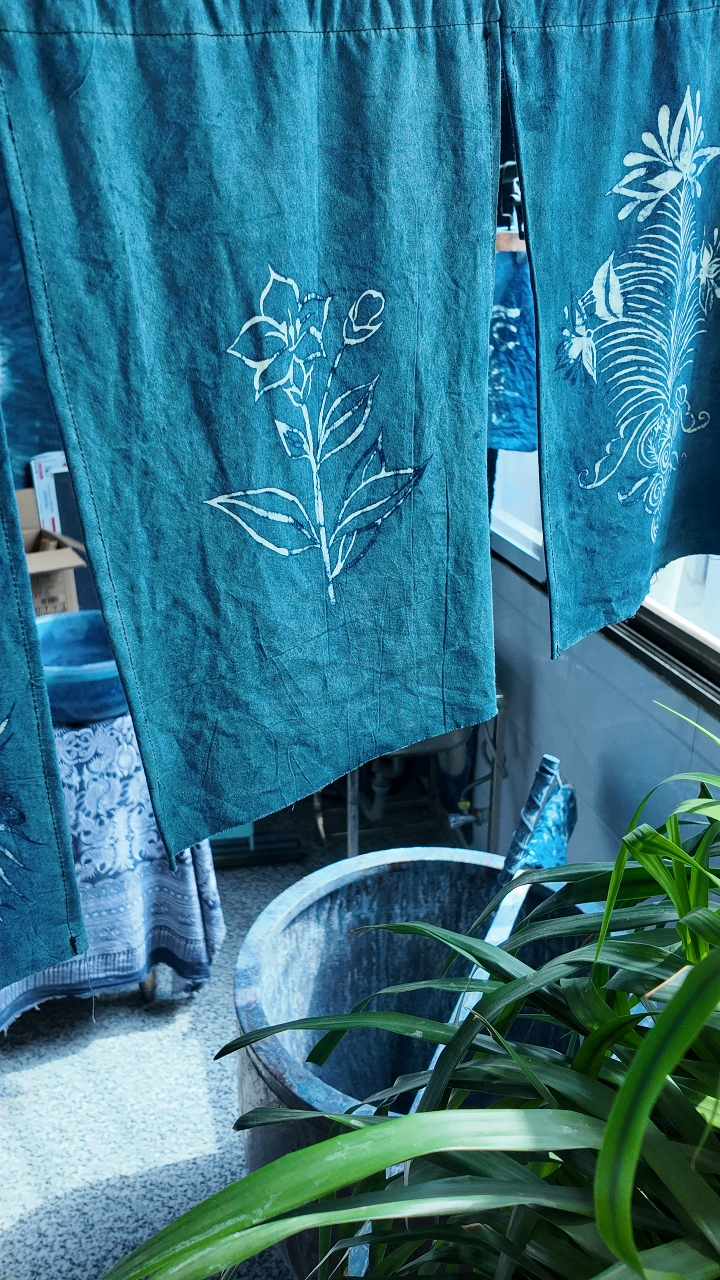
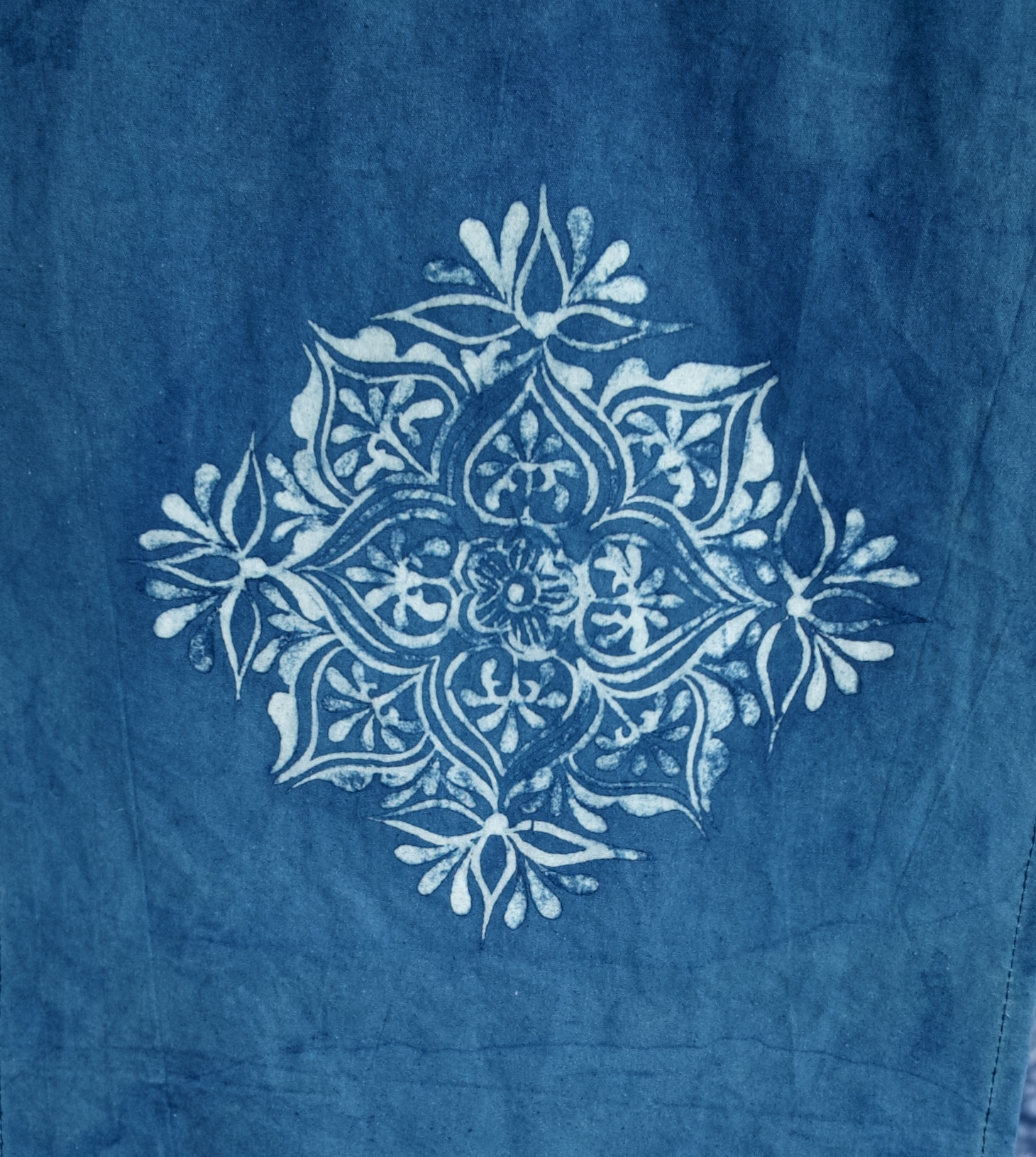
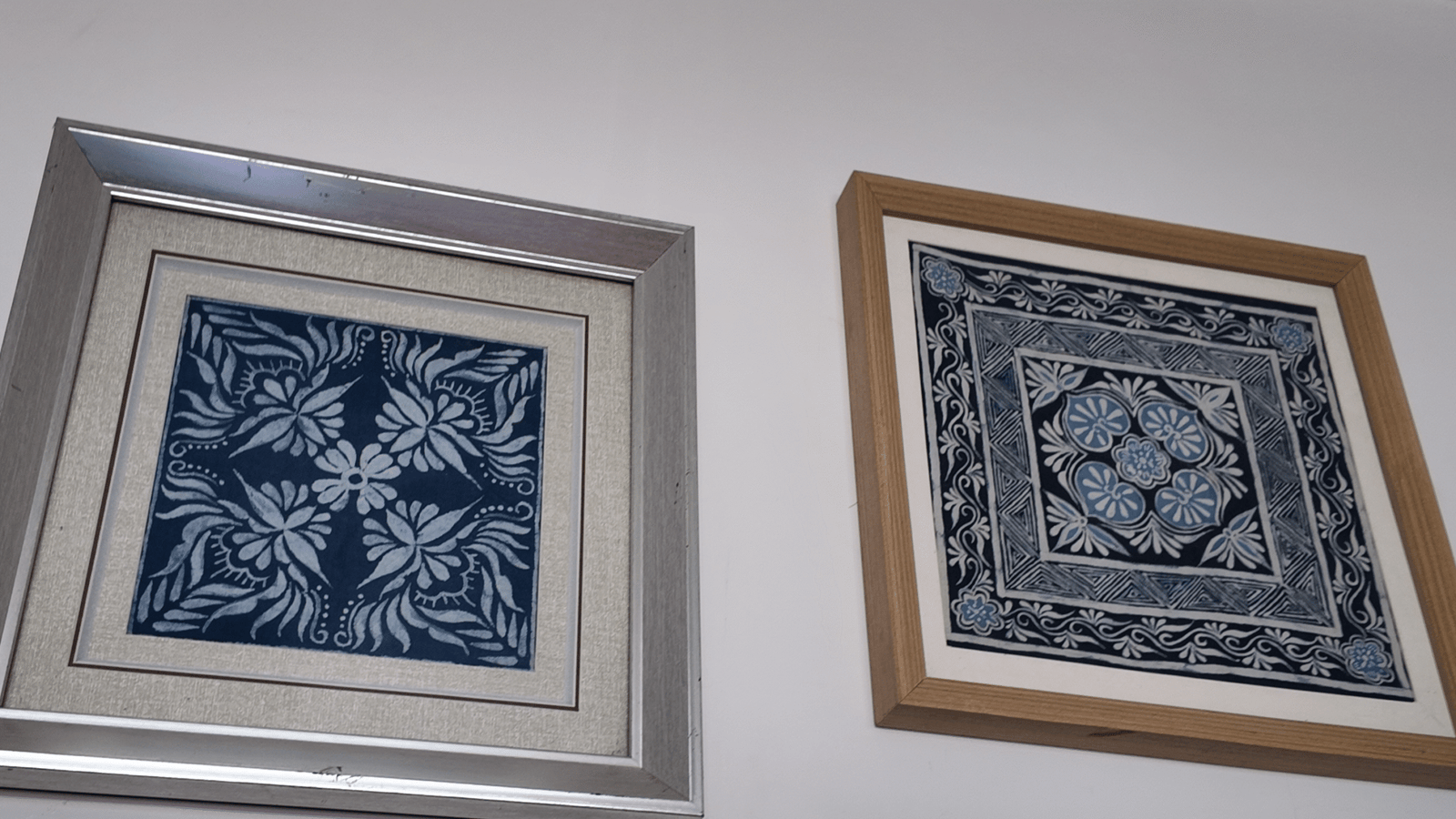
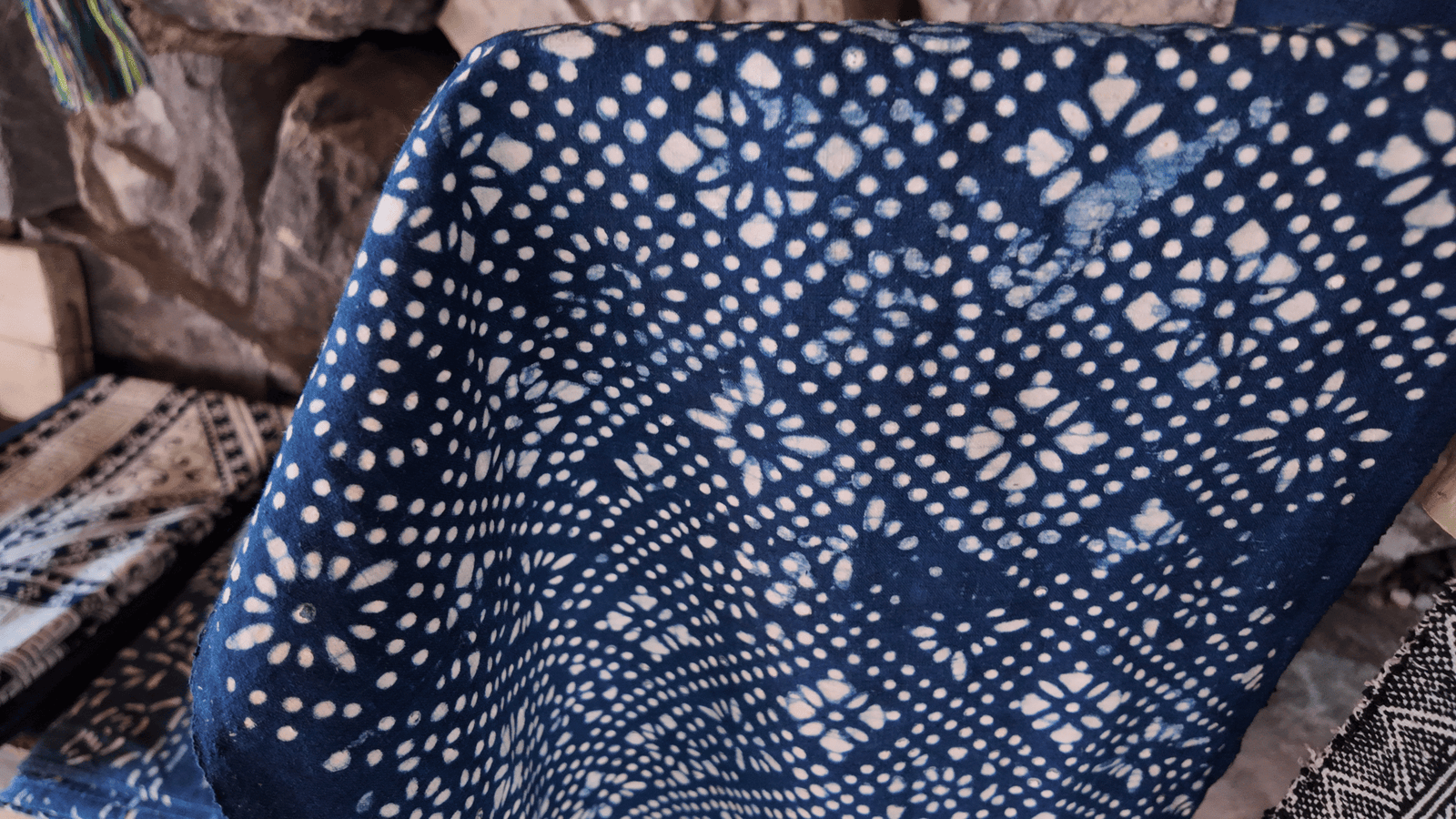
The pronunciation of the Osmanthus flower is similar to the pronunciation of the first syllable of wealthiness.
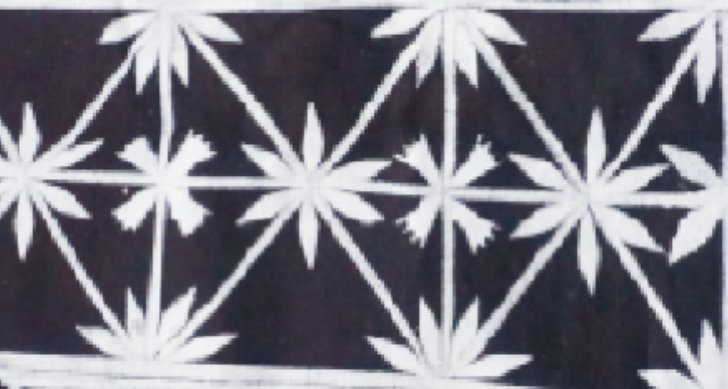
The Paddy (rice)t: Harvest
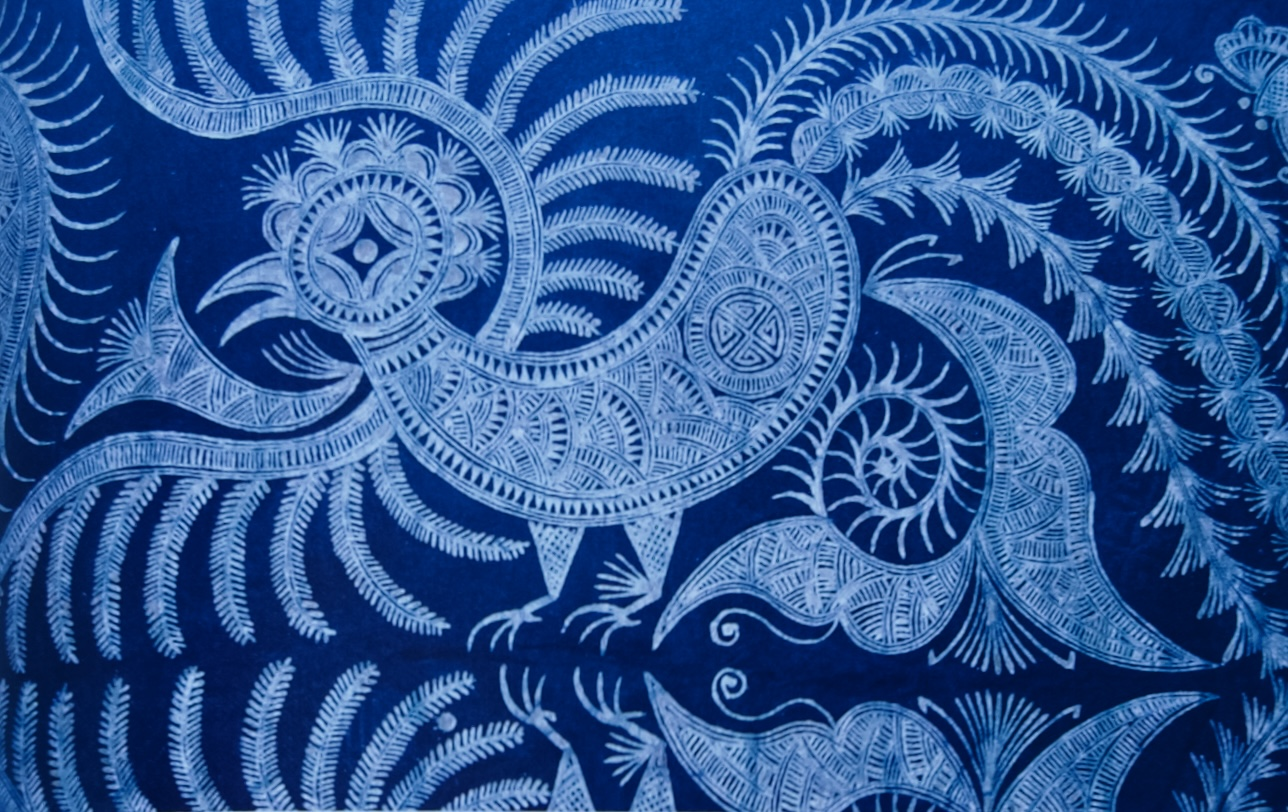
Bent paddies mimics the farmers posture when planting these paddies, hence using it as a symbolism of their hardships and efforts, praying for a good harvest season.